
Carne Asada Texas Toast
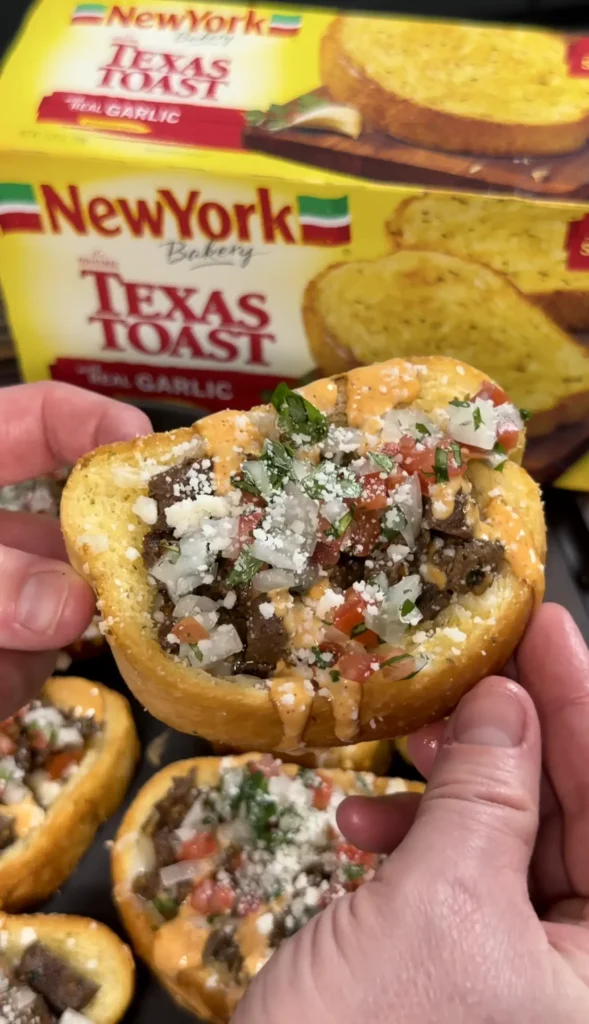
Carne asada Texas toast is thick-cut garlic bread topped with marinated flank steak grilled at 450°F to 500°F for 3 to 4 minutes per side until it reaches 125°F to 130°F internal temperature, rested 10 minutes, then sliced thin against the grain and piled onto crispy Texas toast with toppings like cotija cheese, cilantro, pickled red onions, and chimichurri drizzle. The marinade combines olive oil, fresh lime juice, orange juice, garlic, cumin, chili powder, and smoked paprika for 2 to 8 hours, creating bold citrus-forward flavor that penetrates the steak. The Texas toast provides sturdy base that holds up to juicy steak and toppings without getting soggy.
This grilled carne asada toast transforms garlic bread into substantial meal that works as appetizer, main course, or viral content-worthy dish. The combination of crispy toast, charred steak, melted cheese, and bright toppings creates layered textures and flavors. High-heat grilling develops proper crust on the steak while keeping interior medium-rare. Flank steak slices cleanly across the grain, creating tender bites that photograph beautifully. The citrus marinade tenderizes without turning mushy because you limit marinating time to 8 hours maximum.
These Texas toast steak sliders take about 3 hours total including marinating time. Active cooking is quick – 10 minutes for steak, 5 minutes for toast. Perfect for game day, backyard parties, or content creation sessions where you need impressive food that films well. Serves 4 to 6 as main course or 8 to 10 as appetizer. Works on pellet grill, charcoal grill, gas grill, or Blackstone griddle.
Jump to RecipeWhat Makes Flank Steak the Best Cut for Carne Asada
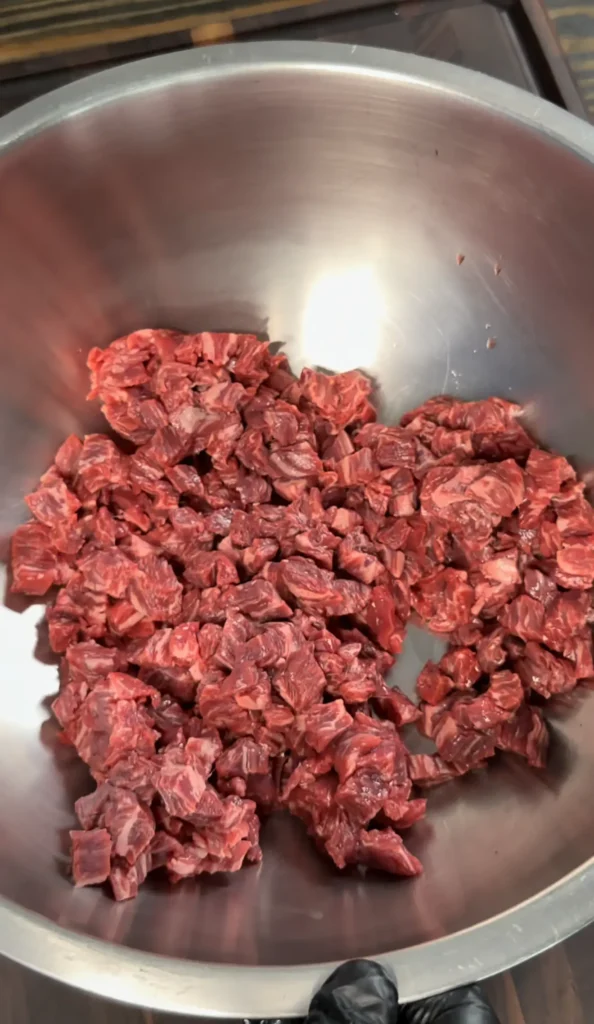
Flank steak creates ideal carne asada texas toast because it slices cleanly into uniform strips that layer beautifully on bread. Consequently, the muscle structure runs in one consistent direction across the entire cut. When you slice against the grain, you get neat rectangular pieces that stack perfectly. In contrast, skirt steak has irregular grain patterns that create uneven slices. While flat iron is tender, it doesn’t have the same visual appeal.
Thickness and Cooking Speed
Flank steak also has the right thickness for this application. Most flank steaks measure ¾ to 1 inch thick, which grills quickly at high heat without overcooking. Therefore, you can achieve medium-rare interior with proper crust in 3 to 4 minutes per side. On the other hand, thicker cuts like ribeye take too long and risk burning the exterior.
Fat Content and Texture
The lean quality of flank steak matters significantly for stacking on bread. Fatty cuts like ribeye or heavily marbled skirt drip excessive grease onto toast, ultimately making it soggy. However, flank has minimal marbling. As a result, the juice it releases is flavorful without being greasy, and the toast stays crispy underneath the steak.
Marinade Absorption
Moreover, flank steak holds marinade exceptionally well. The loose grain structure absorbs citrus marinade deeply. In addition, the acid penetrates between muscle fibers, tenderizing from inside. Denser cuts like flat iron don’t absorb marinade as effectively; instead, the flavor stays mostly on the surface.
How Citrus Marinade Tenderizes Without Creating Mushiness
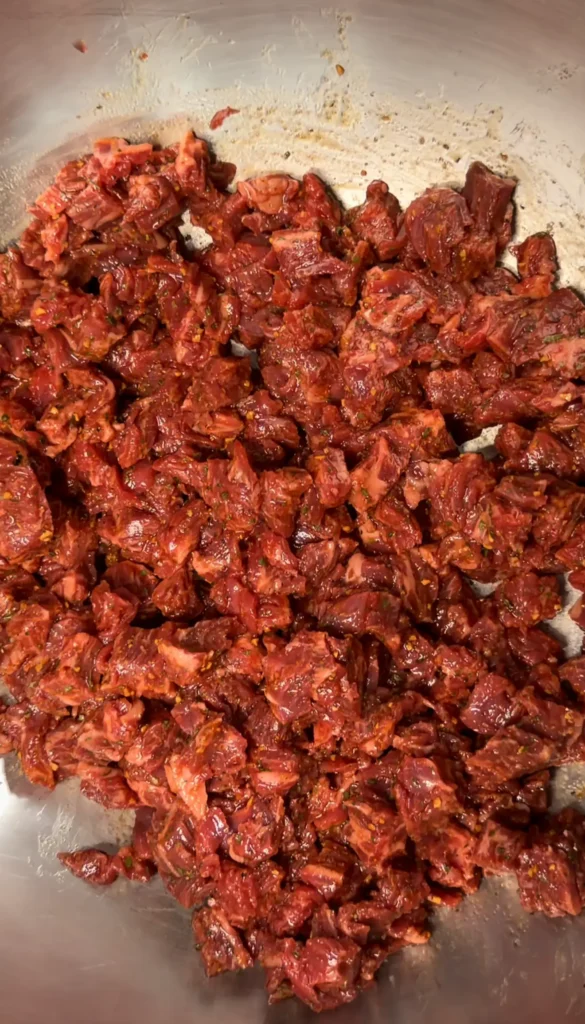
The citrus marinade for grilled carne asada tenderizes flank steak through enzymatic action and acid penetration. However, it doesn’t create mushy texture because you limit marinating time to 2 to 8 hours maximum. Fresh lime and orange juice contain citric acid that breaks down muscle proteins gradually. Therefore, the acid unfolds protein molecules, making meat more tender.
Proper Acid Concentration
The ¼ cup lime juice and 2 tablespoons orange juice create proper acid concentration. Too little acid doesn’t tenderize effectively, whereas too much acid over-tenderizes and creates mealy texture. The balance of ½ cup total liquid (citrus plus olive oil) provides adequate coverage without drowning the meat.
The Role of Olive Oil
Furthermore, olive oil in the marinade serves multiple functions beyond flavor. First, the oil carries fat-soluble flavor compounds from spices (cumin, chili powder, paprika) into the meat. Second, oil also prevents citrus from over-penetrating by creating a barrier that slows acid absorption. Consequently, this extends the safe marinating window.
Critical Time Windows
The 2 to 8 hour timeframe is critical. At 2 hours minimum, acid has penetrated outer layers and begun tenderizing. Meanwhile, the spices have had time to infuse flavor. Going under 2 hours means insufficient penetration. Beyond 8 hours, however, the citrus starts breaking down proteins too aggressively. As a result, the exterior becomes mushy while the interior stays tough.
Fresh vs. Bottled Citrus
Additionally, fresh citrus works better than bottled juice. Fresh lime and orange juice have stronger enzymatic activity. The natural enzymes enhance tenderizing beyond just acid content. In contrast, bottled juices are pasteurized, which kills these enzymes. Moreover, fresh juice also tastes brighter and more aromatic.
Why 450°F to 500°F Temperature Creates Perfect Crust
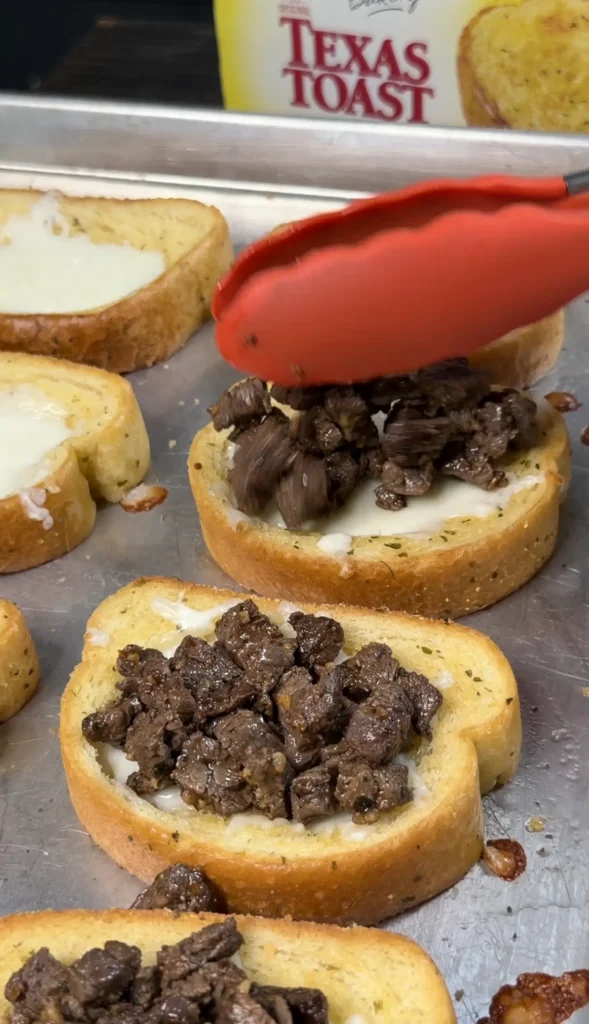
High-heat grilling at 450°F to 500°F creates essential crust on carne asada texas toast steak through rapid Maillard reaction. At these temperatures, the steak surface dehydrates immediately upon contact with grates. Moisture evaporates in seconds, and therefore, dry surface allows browning reactions to begin.
The Science of the Maillard Reaction
The Maillard reaction requires temperatures above 300°F to occur rapidly. At 450°F to 500°F, the reaction happens in 3 to 4 minutes per side. However, lower temperatures (300°F to 350°F) take too long. As a result, the steak overcooks before developing proper crust, reaching medium-well before the exterior browns.
Why Flank Steak Demands High Heat
Flank steak’s thinness (¾ to 1 inch) makes high heat necessary rather than optional. Thin cuts cook through quickly. Consequently, you need aggressive heat to brown the exterior while the interior stays rare to medium-rare. Thick steaks can handle lower temperatures with longer cooking times, whereas thin steaks require intense heat and short exposure.
How Marinade Components Affect Browning
Additionally, the marinade components affect crust development significantly. Sugar from orange juice caramelizes at high heat, contributing to browning. Furthermore, the spices (cumin, chili powder, paprika) contain compounds that enhance color. Garlic sugars also caramelize. Together, these elements create complex crust flavor beyond just seared beef.
Oil’s Role in Preventing Sticking
Moreover, oil in the marinade prevents sticking and aids browning. When you remove steak from marinade, excess oil drips off but a thin coating remains. This oil conducts heat efficiently while preventing lean flank steak from adhering to grates. In addition, the oil helps achieve grill mark definition.
How Texas Toast Stays Crispy Under Juicy Steak
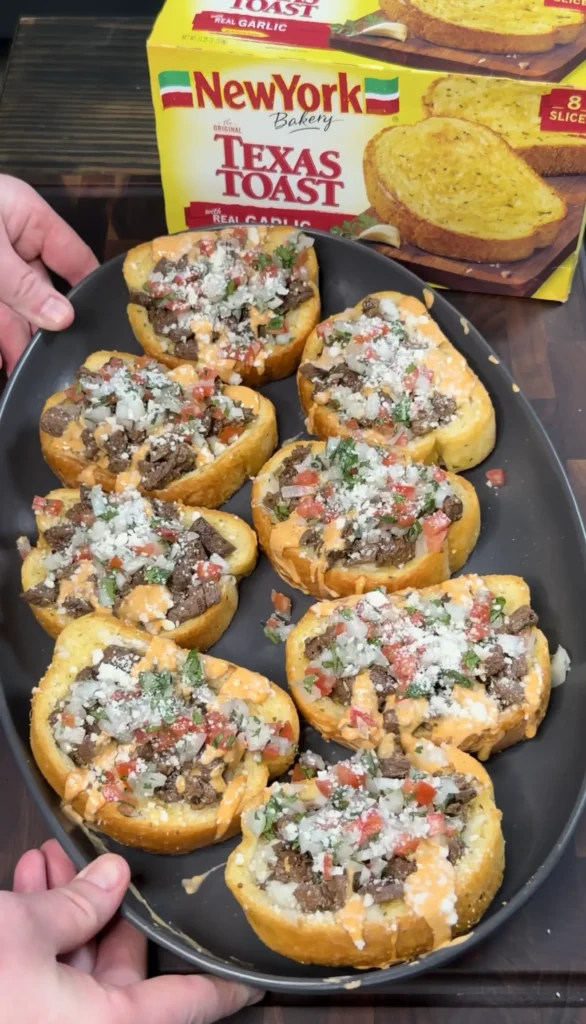
Texas toast remains crispy under grilled carne asada toast toppings because of its thickness and proper preparation method. Standard Texas toast measures 1 to 1¼ inches thick. This substantial bread has structural integrity that thin bread lacks. Therefore, the thickness creates a sturdy platform that doesn’t compress under the weight of steak and toppings.
Toasting Method Makes the Difference
The toasting method determines crispness significantly. Baking Texas toast according to package directions (usually 5 to 7 minutes at 425°F) creates crispy exterior with slightly soft interior. Consequently, this gives you structural strength with some give. Toasting only the exterior and leaving the center soft creates an ideal texture gradient.
Grilling for Extra Insurance
Furthermore, flashing toasted bread on the grill for 1 to 2 minutes adds extra insurance. Place baked toast directly on grill grates for 30 seconds to 1 minute per side. The direct flame dries the surface further and creates slight char. Although this step is optional, it enhances both texture and flavor.
Creating a Moisture Barrier
Additionally, brushing edges with beef tallow or butter before grilling creates a moisture barrier. Fat coating prevents juice absorption. The tallow solidifies slightly as it cools, thereby creating a waterproof layer. Brush only edges and bottom—not the eating surface where toppings go—to prevent greasy mouthfeel.
Resting and Assembly Timing
Moreover, resting sliced steak before assembly allows excess juice to drain. After slicing, let steak strips sit on the cutting board for 2 to 3 minutes. Residual juice pools on the board. Then, transfer steak to toast using tongs, leaving juice behind. This reduces moisture that contacts bread.
Carne Asada
Texas Toast
Grilled Flank Steak · Chimichurri Drizzle
Ingredients
- 1½–2 lbs flank steak
- ¼ cup olive oil
- ¼ cup fresh lime juice (about 2 limes)
- 2 tbsp orange juice
- 3 cloves garlic, minced
- 1 tsp ground cumin
- 1 tsp chili powder
- 1 tsp smoked paprika
- 1 tsp kosher salt
- ½ tsp black pepper
- ¼ cup chopped fresh cilantro
- 8 slices Texas toast (New York Bakery brand recommended)
- 2 tbsp beef tallow or butter (optional for brushing)
- ½ cup crumbled cotija cheese or queso fresco
- ¼ cup diced white onion
- ¼ cup chopped fresh cilantro
- 1 jalapeño, thinly sliced
- Chimichurri sauce for drizzling
- Lime wedges for serving
Always slice flank steak against the grain after resting. Look for the direction of the muscle fibers and cut perpendicular to them. This shortens the fibers and makes each bite tender instead of chewy. Cutting with the grain creates long, stringy pieces that are tough to chew. When you slice against the grain, the steak practically melts in your mouth.
Step-by-Step Instructions
Step 1: Slice Steak and Prepare Marinade
Place 1½ to 2 pounds flank steak on cutting board. Identify grain direction by looking at parallel muscle fibers running lengthwise. Position steak so grain runs left to right. Using sharp knife at slight angle, slice against the grain into strips ¼ to ⅓ inch thick. This pre-slicing allows maximum marinade penetration.
In medium bowl or gallon freezer bag, combine ¼ cup olive oil, ¼ cup fresh lime juice (squeeze about 2 limes), 2 tablespoons orange juice, 3 minced garlic cloves, 1 teaspoon ground cumin, 1 teaspoon chili powder, 1 teaspoon smoked paprika, 1 teaspoon kosher salt, and ½ teaspoon black pepper. Whisk or shake to combine thoroughly.
Add ¼ cup chopped fresh cilantro to marinade. Cilantro adds herbaceous brightness that complements citrus. Use stems and leaves – stems have concentrated flavor. Chop roughly. Large pieces are fine since you’re discarding marinade after use.
Add sliced steak strips to marinade. If using bowl, toss to coat all surfaces. If using freezer bag, seal and massage marinade into meat. Press air out of bag before sealing. The sliced strips will absorb marinade much faster than whole steak.
Refrigerate for 2 to 8 hours. Two hours minimum for adequate penetration. Eight hours maximum to prevent mushiness. Flip or shake bag halfway through marinating time for even coverage. Don’t leave at room temperature – citrus marinade creates environment for bacterial growth if not refrigerated.
Step 2: Preheat Grill to High Heat
Set grill to 450°F to 500°F. For pellet grills, use high or sear setting. For charcoal grills, build full chimney of coals and spread evenly.
Clean grill grates thoroughly with wire brush. Built-up residue causes sticking and creates off-flavors. After cleaning, oil grates using paper towel dipped in high-heat oil (canola or vegetable). Hold towel with tongs and wipe across grates. This creates non-stick surface.
Have all tools ready before adding steak: instant-read thermometer, tongs, timer. Once steak hits grill, things move fast. You don’t want to be searching for equipment. Set up plate or cutting board near grill for resting steak.
Step 3: Grill the Flank Steak
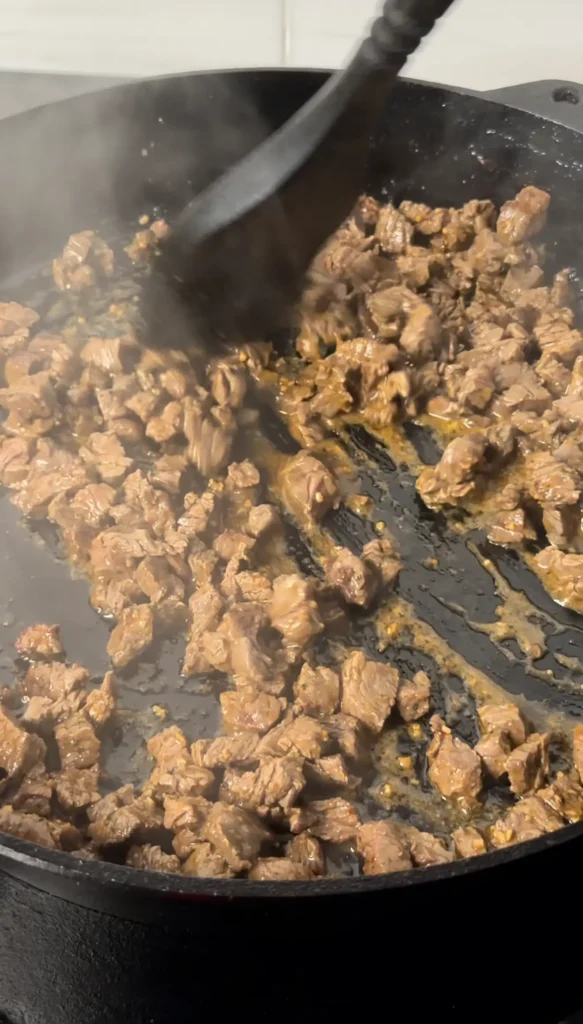
Remove steak from marinade. Let excess drip off but don’t wipe completely dry. Thin coating of marinade oil helps prevent sticking and aids browning. Discard remaining marinade – don’t reuse it.
Place steak on hottest part of grill. Set timer for 3 to 4 minutes. Don’t move steak during this time. Let it develop crust undisturbed. Resist urge to lift and check. You’ll know it’s ready when steak releases from grates easily.
After 3 to 4 minutes, flip steak using tongs. Cook second side for 3 to 4 minutes. Insert instant-read thermometer into thickest part. You’re targeting 125°F to 130°F internal temperature for medium-rare. Pull at 125°F if you prefer rare. Pull at 130°F if you prefer medium.
Flank steak thickness varies. Thinner portions (¾ inch) may need only 3 minutes per side. Thicker portions (1 inch) may need full 4 minutes. Use thermometer as guide rather than relying solely on time.
Transfer grilled steak to cutting board. Tent loosely with foil. Rest for 10 minutes. This isn’t optional. Resting allows juice redistribution. The internal temperature will rise 3 to 5 degrees during rest. Final temperature will be 130°F to 135°F.
Step 4: Prepare and Grill Texas Toast
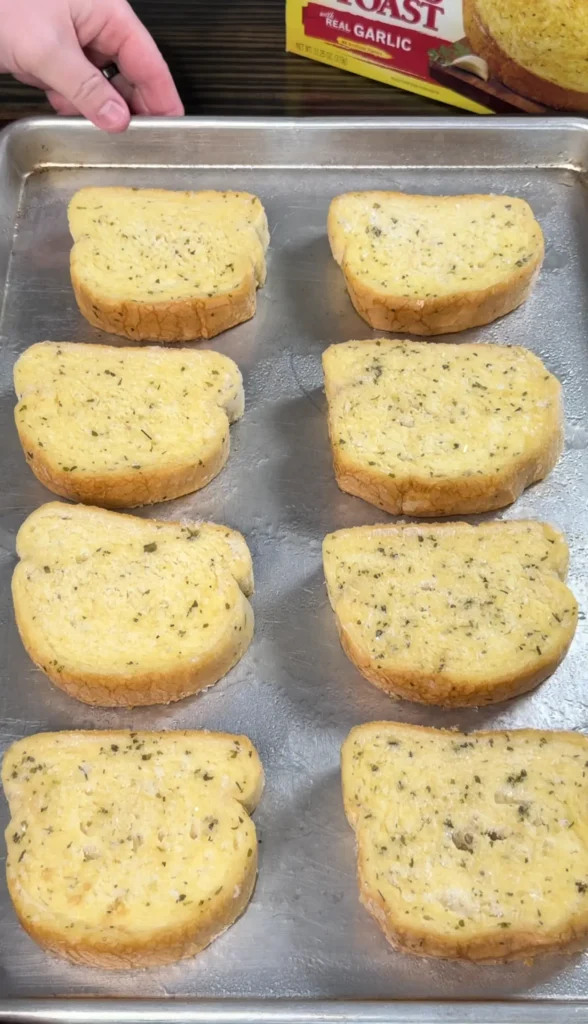
While final batch of steak grills, prepare Texas toast. If using oven method, preheat oven to 425°F. Arrange 8 slices Texas toast on baking sheet. Bake according to package directions, usually 5 to 7 minutes until golden and crispy.
Optional upgrade: brush edges and bottom of each toast slice with melted beef tallow or butter before baking. This creates moisture barrier and adds rich flavor. Use about ½ teaspoon per slice. Don’t brush top surface where toppings will go.
After baking, optionally flash toast on grill for extra char. Place directly on grill grates for 30 seconds to 1 minute per side. Watch carefully – it goes from toasted to burnt quickly. You want light grill marks and slight char, not blackening.
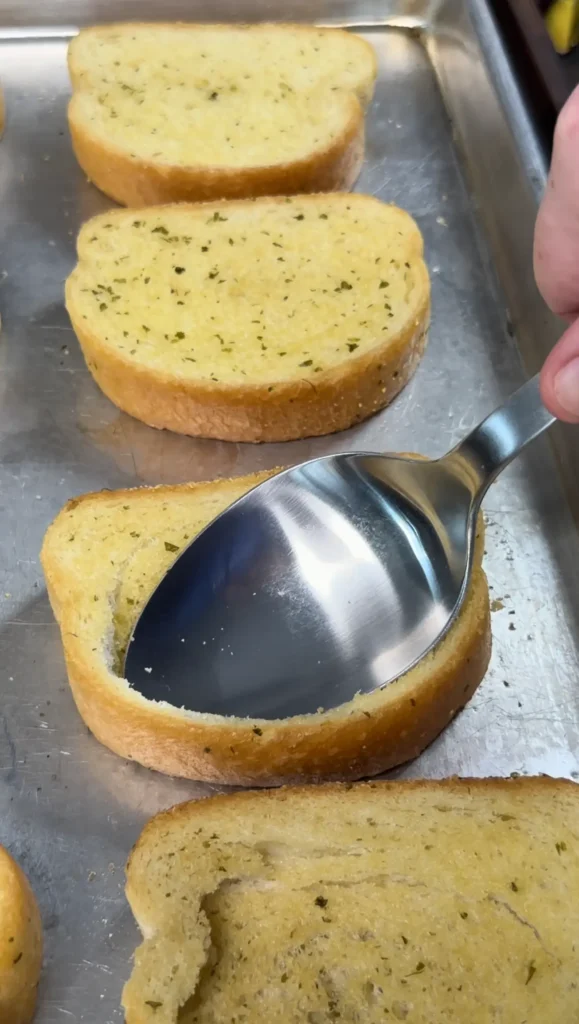
If skipping oven and going straight to grill, brush both sides of Texas toast with tallow or butter. Grill 1 to 2 minutes per side until golden with grill marks. This method creates more pronounced char flavor.
Arrange toasted bread on serving platter or individual plates. Keep warm if possible. Room temperature toast works but warm toast is better. The warmth helps cheese melt slightly when you add toppings.
Step 5: Assemble and Serve
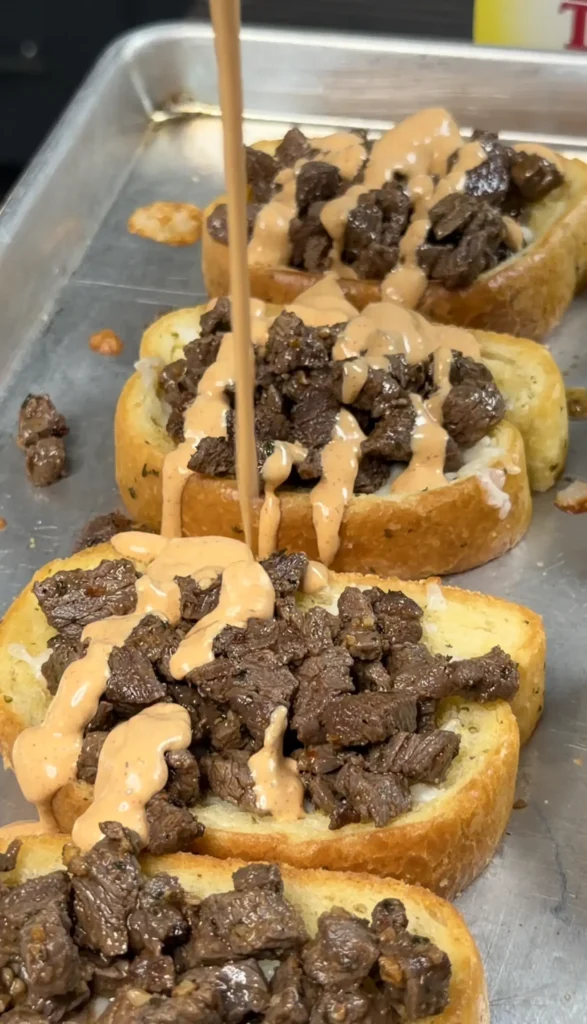
Place generous portion of grilled carne asada strips on each piece of Texas toast. Fan strips slightly for visual appeal. Use 3 to 4 ounces per toast. The steak should cover most of bread surface without hanging over edges excessively.
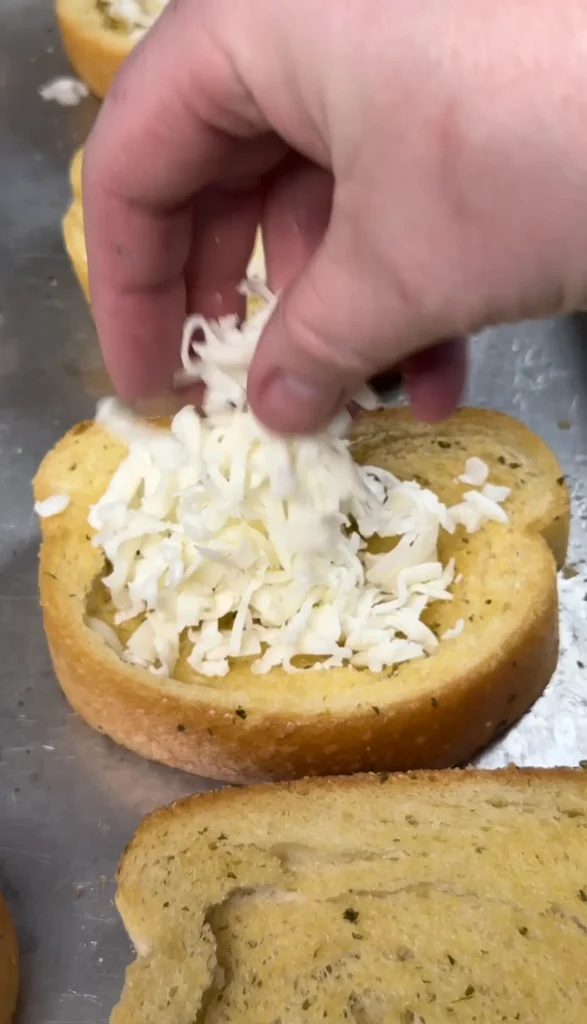
Top with crumbled cotija cheese or queso fresco. Use about 1 tablespoon per toast. The cheese adds salty, tangy contrast. Cotija is drier and more crumbly. Queso fresco is softer and milder. Either works.
Add diced white onion, chopped fresh cilantro, and sliced jalapeño according to preference. These fresh toppings provide crunch, brightness, and heat. For street-style presentation, keep toppings simple. For loaded version, add pickled red onions, avocado slices, or chipotle crema.
Drizzle chimichurri sauce over each assembled toast. The herbaceous, garlicky sauce ties everything together. Use 1 to 2 tablespoons per toast. Too much makes it messy. Too little doesn’t provide enough flavor punch.
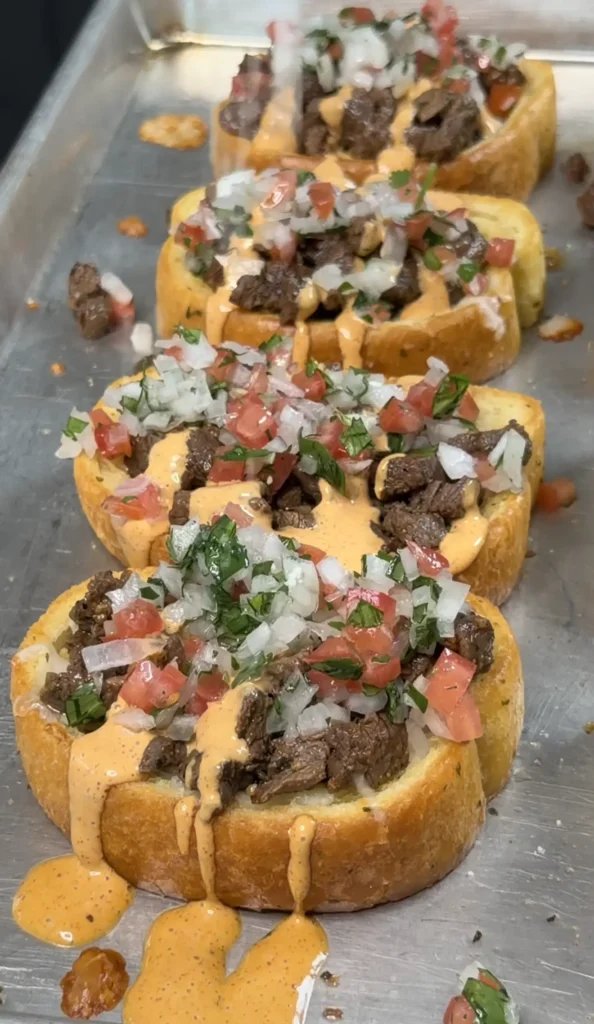
Serve immediately with lime wedges on side. Guests squeeze fresh lime over their toasts. The acid brightens flavors and cuts richness. Provide extra chimichurri, hot sauce, and napkins. These carne asada texas toast creations are deliciously messy.
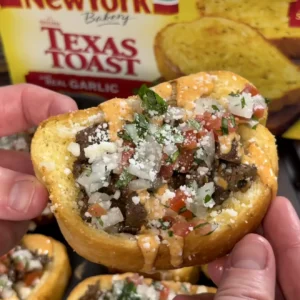
Carne Asada Texas Toast with Chimichurri
Equipment
- Grill (Pellet, Charcoal, Gas, or Blackstone Griddle)
- Instant-Read Thermometer
- Gallon Freezer Bag or Bowl
- Baking Sheet (if using oven for toast)
- Sharp Slicing Knife
Ingredients
Carne Asada Marinade
- 1.5-2 pounds flank steak
- 1/4 cup olive oil
- 1/4 cup fresh lime juice about 2 limes
- 2 tablespoons orange juice
- 3 cloves garlic minced
- 1 teaspoon ground cumin
- 1 teaspoon chili powder
- 1 teaspoon smoked paprika
- 1 teaspoon kosher salt
- 1/2 teaspoon black pepper
- 1/4 cup chopped fresh cilantro
Texas Toast & Toppings
- 8 slices Texas toast New York Bakery brand recommended
- 2 tablespoons beef tallow or butter optional for brushing
- 1/2 cup crumbled cotija cheese or queso fresco
- 1/4 cup diced white onion
- 1/4 cup chopped fresh cilantro
- 1 jalapeño thinly sliced
- chimichurri sauce for drizzling
- lime wedges for serving
Instructions
- Prepare marinade: In bowl or gallon freezer bag, combine olive oil, lime juice, orange juice, minced garlic, cumin, chili powder, smoked paprika, salt, pepper, and cilantro. Add flank steak and coat thoroughly. Refrigerate 2-8 hours, flipping halfway through.
- Preheat grill to high heat: Set to 450-500°F. For pellet grills use sear setting, charcoal grills use full chimney of coals, gas grills preheat all burners to high for 15 minutes. Clean and oil grates thoroughly.
- Grill steak: Remove from marinade, let excess drip off. Place on hottest part of grill. Cook 3-4 minutes per side until internal temp reaches 125-130°F for medium-rare. Transfer to cutting board, tent with foil, rest 10 minutes.
- Prepare Texas toast: Bake at 425°F for 5-7 minutes until crispy. Optional: brush edges with beef tallow before baking, then flash on grill 30 seconds to 1 minute per side for char marks.
- Slice steak against grain: Identify grain direction (parallel lines running lengthwise). Position steak so grain runs left to right. Using sharp knife at slight angle, slice perpendicular to grain into ¼ to ⅓ inch strips. Let sliced steak rest 2-3 minutes.
- Assemble and serve: Place 3-4 oz sliced steak on each toast. Top with cotija cheese, diced onion, cilantro, and jalapeño slices. Drizzle with chimichurri sauce. Serve immediately with lime wedges.
Notes
Frequently Asked Questions
What Type of Meat Is Carne Asada?
Carne asada is beef, specifically cuts that benefit from marinating and high-heat grilling. Traditional carne asada uses flank steak or skirt steak. Both are lean, flavorful cuts from the cow’s underside that develop excellent char when grilled at 450°F to 500°F.
Flank steak comes from the abdominal muscles and has long, visible grain running lengthwise. Skirt steak comes from the diaphragm area and has more intense beefy flavor with looser grain structure. Both are relatively tough when cooked improperly but become tender when marinated and sliced against the grain.
Other beef cuts sometimes used include sirloin flap (also called bavette), tri-tip, or even ribeye in Americanized versions. However, traditional Mexican carne asada specifically refers to flank or skirt steak marinated in citrus and spices.
Chicken, pork, or other proteins are not carne asada. The term specifically means grilled beef. If you see “pollo asado,” that’s grilled chicken. “Carne” means meat but in Mexican cuisine context it specifically refers to beef.
What Is the Secret Ingredient in Carne Asada?
The secret ingredient isn’t one single component but rather fresh citrus—specifically the combination of lime and orange juice. Many recipes use only lime, but authentic carne asada includes orange juice for sweetness and additional acid. The citrus does double duty: tenderizing the meat through enzymatic breakdown and infusing bright, fresh flavor.
Fresh citrus matters significantly more than bottled juice. Fresh lime and orange contain natural enzymes that help break down proteins. Bottled citrus juice is pasteurized, which kills these enzymes. You lose tenderizing power and vibrant flavor with bottled juice.
Beyond citrus, the spice combination of cumin, chili powder, and smoked paprika creates the distinctive Mexican profile. Some recipes add soy sauce or Worcestershire for umami depth, but this isn’t traditional. The citrus-spice combination is what makes carne asada taste like carne asada rather than just grilled steak.
Timing is the other secret. Marinate for 2 to 8 hours maximum. Under 2 hours doesn’t penetrate adequately. Over 8 hours and the citrus over-tenderizes, creating mushy texture. This narrow window is critical for proper results.
What’s the Difference Between Steak and Carne Asada?
Steak is simply a slice of beef cooked by any method, whereas carne asada is specifically beef that’s been marinated in citrus and spices, then grilled at high heat and sliced thin. The preparation method, marinade, and serving style distinguish carne asada from plain steak.
Plain steak typically relies on the meat’s natural flavor, seasoned only with salt and pepper. Carne asada requires marination for flavor penetration and tenderization. The citrus marinade is non-negotiable for authentic carne asada. Without it, you just have grilled steak.
Cooking method differs as well. Steak can be pan-seared, grilled, broiled, or sous vide. Carne asada must be grilled over high direct heat to develop characteristic char. The smoky, charred flavor from grilling is essential to the dish.
Serving presentation also distinguishes them. Steak is typically served as whole piece on a plate. Carne asada is sliced thin against the grain and served in tacos, burritos, on nachos, or—like this recipe—on Texas toast. The thin slicing transforms the texture and eating experience completely.
What Cuts of Meat Do They Use for Carne Asada?
Traditional carne asada uses flank steak or skirt steak. Flank steak is the most common choice because it’s widely available, absorbs marinade well, and slices cleanly against the grain. Skirt steak offers more intense beefy flavor with looser texture but is less consistent in availability and quality.
Flank steak comes from the cow’s abdominal area. It’s a long, flat cut with obvious grain running lengthwise. The uniform thickness (¾ to 1 inch) makes it ideal for quick grilling. It costs less than premium cuts while delivering excellent flavor when properly prepared.
Skirt steak comes from the diaphragm. There are two types: outside skirt (more tender, harder to find) and inside skirt (more common, slightly tougher). Skirt has more marbling than flank, creating richer flavor. However, the irregular shape and varying thickness make even cooking more challenging.
Alternative cuts include sirloin flap steak (bavette), which is tender with good marbling, or tri-tip, which is popular in California-style carne asada. Some modern recipes use ribeye or strip steak, but these aren’t traditional and cost significantly more without providing better results for this preparation.
What Is the Best Method for Cooking Carne Asada?
High-heat direct grilling is the best method for cooking carne asada. You need temperatures between 450°F and 500°F to create proper crust through the Maillard reaction while keeping the interior medium-rare. Charcoal grills, gas grills, pellet grills on sear mode, and flat-top griddles like Blackstone all work excellently.
Charcoal provides the most authentic flavor. Build a full chimney of hot coals and spread them evenly. The intense heat and smoky flavor from charcoal creates traditional Mexican street-food character. Let coals develop white ash coating before grilling.
Gas grills work perfectly when preheated properly. Turn all burners to high and preheat for 15 minutes with lid closed. The key is maintaining consistent 450°F to 500°F temperature. Gas provides more temperature control than charcoal but less smoky flavor.
Flat-top griddles create the most even crust. The continuous flat surface browns the entire steak uniformly without grill marks. Blackstone griddles reach ideal temperatures quickly. The lack of flare-ups makes cooking more predictable. Many taco trucks use flat-tops for this reason—consistent results every time.
Can You Make Carne Asada Texas Toast Without a Grill?
Cast iron skillet on stovetop works excellently for indoor carne asada. Heat cast iron over high heat until smoking. The heavy pan retains heat well and creates crust comparable to grilling. Cook steak 3 to 4 minutes per side without moving it. The key is getting the pan screaming hot before adding meat.
Broiler is second-best indoor option. Position oven rack 4 to 6 inches from broiler element. Preheat broiler on high for 10 minutes. Place marinated steak on broiler pan. Cook 3 to 4 minutes per side, watching carefully to prevent burning. The intense top-down heat creates good char.
Outdoor griddle or flat-top works even better than indoor methods. Blackstone and similar griddles reach 500°F+ easily. The flat surface creates even crust across entire steak. This method is actually preferred by many taco trucks and street vendors.
What doesn’t work well: regular baking or slow cooking methods. Carne asada requires high heat and quick cooking. Oven-roasting at 350°F won’t develop proper crust. The steak will steam rather than sear. High heat is non-negotiable for authentic results.
How Long Should You Marinate Carne Asada?
Marinate carne asada for 2 to 8 hours in the refrigerator. Two hours is the minimum for adequate flavor penetration and tenderization. Eight hours is the maximum before citrus acid over-tenderizes the meat. This window is critical—too short and you get insufficient flavor, too long and you get mushy texture.
The 2-hour minimum allows acid to penetrate outer layers and begin breaking down proteins. Spices need this time to infuse their flavors into the meat. Going under 2 hours means the marinade stays mostly on the surface. The interior tastes bland.
The 8-hour maximum prevents over-tenderization. Citric acid from lime and orange juice breaks down muscle proteins. Extended exposure (12+ hours) creates mealy, mushy texture on the exterior while the interior stays tough. The meat loses its pleasant chew and becomes unpleasantly soft.
Never marinate at room temperature. The acidic environment combined with warm temperatures creates ideal conditions for bacterial growth. Always marinate in the refrigerator. Use gallon freezer bag or covered bowl. Flip halfway through marinating time for even coverage.
What Toppings Go on Carne Asada Texas Toast?
Traditional street-style toppings include diced white onion, fresh cilantro, crumbled cotija or queso fresco cheese, and lime wedges. This simple combination lets the carne asada flavor shine. The raw onion provides sharp bite, cilantro adds herbaceous brightness, cotija contributes salty tang, and lime juice ties everything together.
Elevated GrillNation-style toppings add chipotle crema (sour cream mixed with adobo sauce and lime), pickled red onions for tangy crunch, sliced avocado for creamy richness, and fresh jalapeño slices for heat. This approach creates more complex flavor layers while maintaining Mexican character.
Over-the-top viral-worthy toppings feature melted Oaxaca cheese (Mexican string cheese), grilled jalapeños, generous chimichurri drizzle, and flaky finishing salt. This combination maximizes visual appeal for content creation. The cheese pull, bright green sauce, and charred peppers photograph beautifully.
Non-traditional but delicious additions include pico de gallo, guacamole, Mexican crema, hot sauce like Valentina or Cholula, and even crispy fried onions for texture. The beauty of carne asada toast is versatility. Start with basics and customize based on preference and what looks good on camera.
Can You Use Skirt Steak Instead of Flank Steak?
Skirt steak works excellently for carne asada and is actually more traditional in some regions. Skirt has more intense beefy flavor and looser texture compared to flank. The higher fat content creates richer taste. Many people prefer skirt for authentic street-taco flavor.
Outside skirt steak is ideal if you can find it. This cut is more tender and consistent than inside skirt. Outside skirt comes from the plate primal and has better marbling. However, it’s often claimed by restaurants, making it harder to find in grocery stores.
Inside skirt steak is more commonly available. It comes from the flank primal (confusingly) and is slightly tougher with more membrane. You’ll need to trim silver skin before marinating. The irregular thickness makes even cooking more challenging than with uniform flank steak.
For Texas toast specifically, flank steak has advantages. The uniform thickness and consistent grain create cleaner slices that stack neatly. Skirt’s irregular shape and varying thickness create less photogenic presentation. For tacos, skirt is perfect. For toast, flank looks better but skirt tastes better. Choose based on priorities.
How Do You Know When Carne Asada Is Done?
Use instant-read thermometer to check doneness. Insert into thickest part of steak. For medium-rare, pull at 125°F to 130°F internal temperature. The steak will rise 3 to 5 degrees during resting, reaching final temperature of 130°F to 135°F. This creates tender, juicy results.
Visual and touch cues also indicate doneness. Medium-rare steak feels soft with slight resistance when pressed. The exterior should have deep char marks. When you cut into it after resting, the center should be warm and pink-red. Juice should run clear with slight pink tint.
Timing provides rough guide but isn’t reliable alone. Flank steak at ¾ inch thickness typically takes 3 minutes per side at 450°F to 500°F. Thicker portions need 4 minutes. However, grill temperature variations and meat thickness affect timing. Always verify with thermometer.
Don’t cook carne asada past medium (140°F). The lean meat becomes tough and dry at higher temperatures. Medium-rare to medium is ideal range. The meat should still have some give when you bite it. Overcooking creates the stringy, chewy texture that gives flank steak a bad reputation.