WHISKEY BUTTER STEAKS SMOKED OVER BOURBON-BARREL AGED WOOD CHUNKS
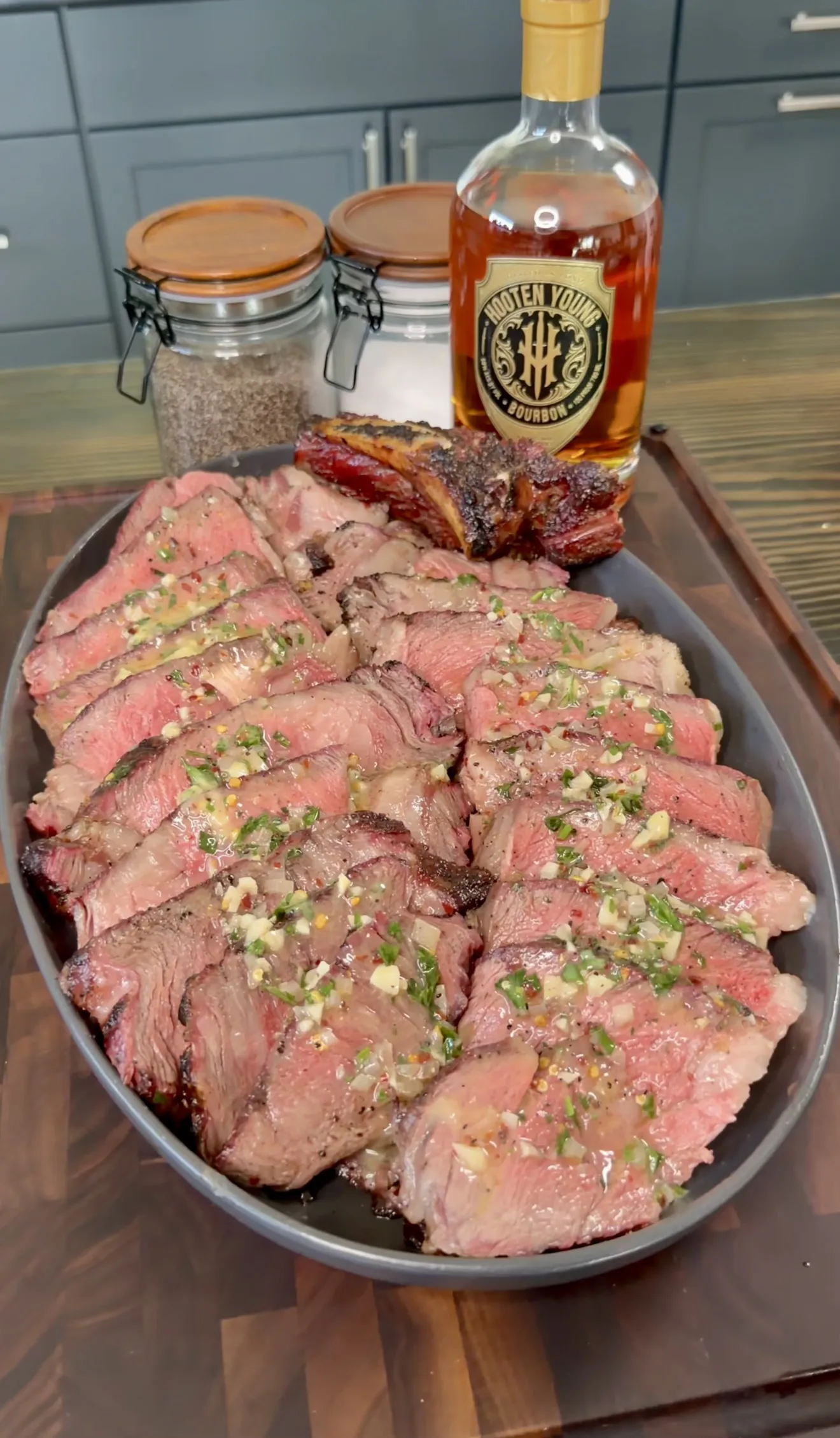
Grilled steaks with whiskey butter combine the best of two techniques into one unforgettable meal: a slow smoke for deep wood-fired flavor, followed by a screaming hot sear for steakhouse-level crust, finished with a rich whiskey butter baste that melts into every bite. This recipe uses thick-cut ribeye or New York strip steaks (1.5 to 2 inches thick), reverse seared at 225°F until the internal temperature reaches 115°F, then finished over 500-650°F direct heat for 60-90 seconds per side. The whiskey butter goes on during the final minute of the sear and again while the steaks rest. Total cook time runs about 45-60 minutes, and the recipe serves 2.
This post is sponsored by Hooten Young Whiskey. Use code GRILLNATION at checkout for a discount on their bourbon.
Grilled steaks with whiskey butter combine the best of two techniques into one unforgettable meal: a slow smoke for deep wood-fired flavor, followed by a screaming hot sear for steakhouse-level crust, finished with a rich whiskey butter baste that melts into every bite. This recipe uses thick-cut ribeye or New York strip steaks (1.5 to 2 inches thick), reverse seared at 225°F until the internal temperature reaches 115°F, then finished over 500-650°F direct heat for 60-90 seconds per side. The whiskey butter goes on during the final minute of the sear and again while the steaks rest. Total cook time runs about 45-60 minutes, and the recipe serves 2.
Why the Reverse Sear Method Produces the Best Grilled Steaks
Most backyard cooks throw steaks directly over high heat from the start. That approach works for thin cuts, but thick steaks suffer from it. Direct grilling creates an overcooked gray band around the exterior before the center reaches your target temperature. The reverse sear eliminates this problem entirely by flipping the traditional cooking sequence.
How Reverse Searing Works
Instead of searing first and finishing in the oven, you smoke the steaks low and slow at 225°F until the internal temperature reaches 110-120°F. Then you move the steaks to a screaming hot zone for a quick 60-90 second sear on each side. The result is edge-to-edge even doneness with a thin, deeply browned crust on the outside.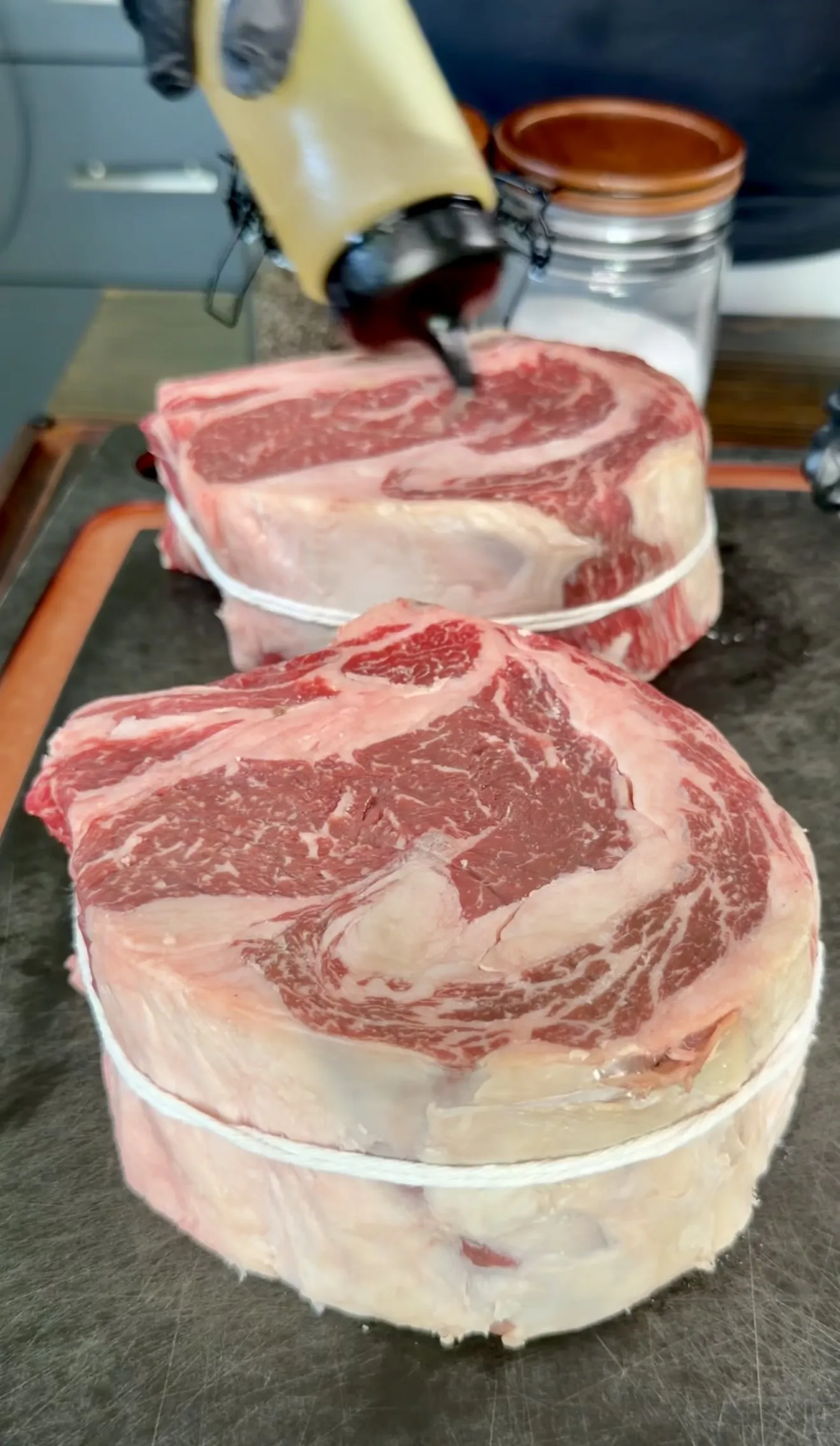
The low initial temperature gives the steak time to cook evenly from the center outward. By the time you pull the steaks for searing, the interior is uniformly pink with no gray overcooked band. Furthermore, the surface dries out during the slow smoke, which means it sears faster and develops a crustier exterior when it hits the hot grates.
Why This Matters for Thick-Cut Steaks
Steaks under an inch thick cook too quickly to benefit from the reverse sear. However, steaks 1.5 to 2 inches thick are ideal candidates. The extra thickness gives you enough cooking time during the smoke phase to develop real wood-fired flavor. Additionally, the thicker cut means more thermal mass, which allows the sear to create crust without pushing the center past your target temperature.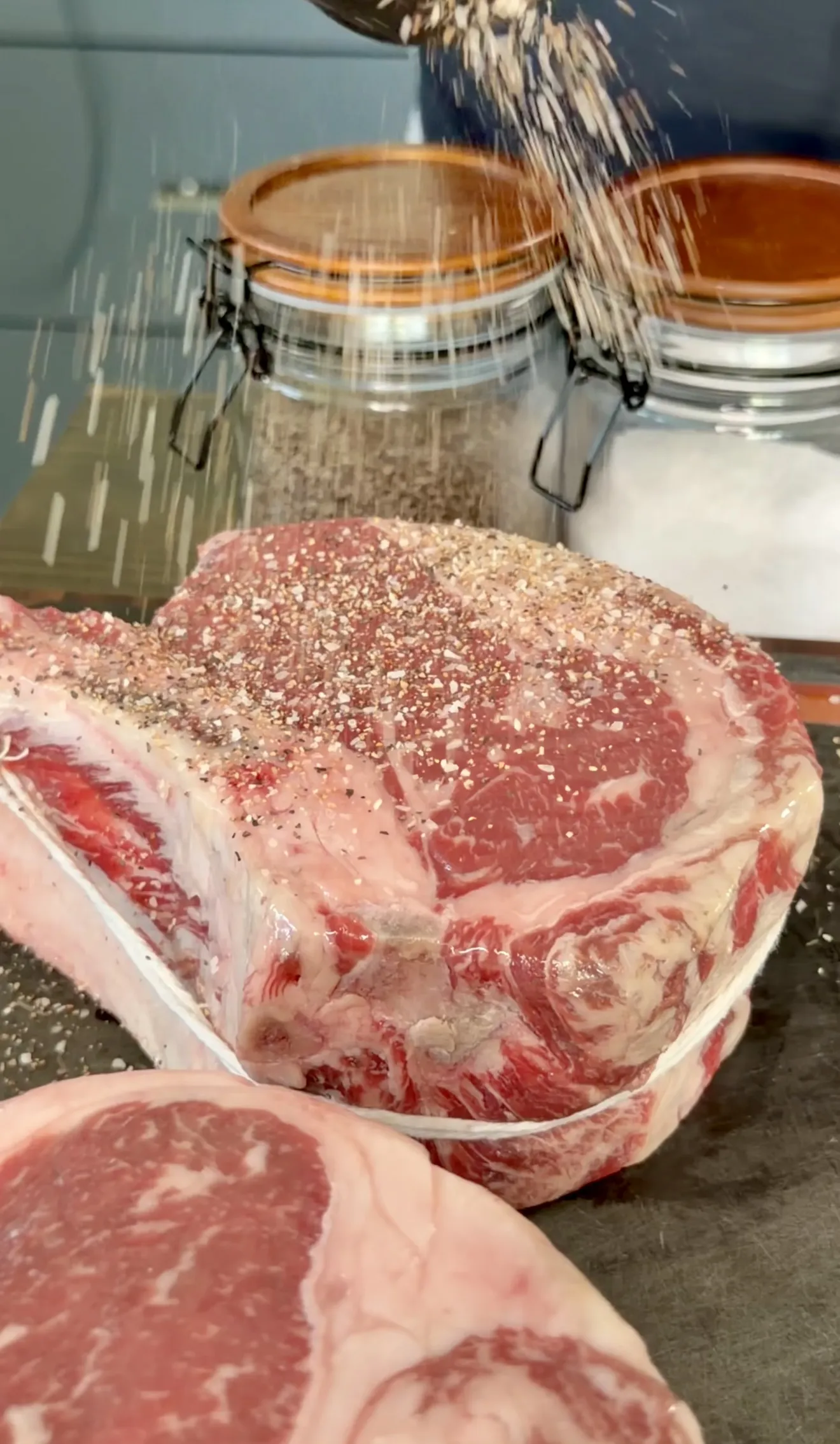
How to Make the Whiskey Butter
The whiskey butter is what separates this recipe from a standard grilled steak. It adds layers of richness, warmth, and complexity that plain butter or a store-bought compound butter cannot match.
Ingredients and Technique
Start with one stick of unsalted butter melted in a small skillet over medium-low heat. Pour in 2 tablespoons of Hooten Young Bottled-in-Bond Bourbon and let it simmer for about 1 minute. This cooks off the harsh raw alcohol while keeping the caramel and vanilla notes that make whiskey pair so well with beef.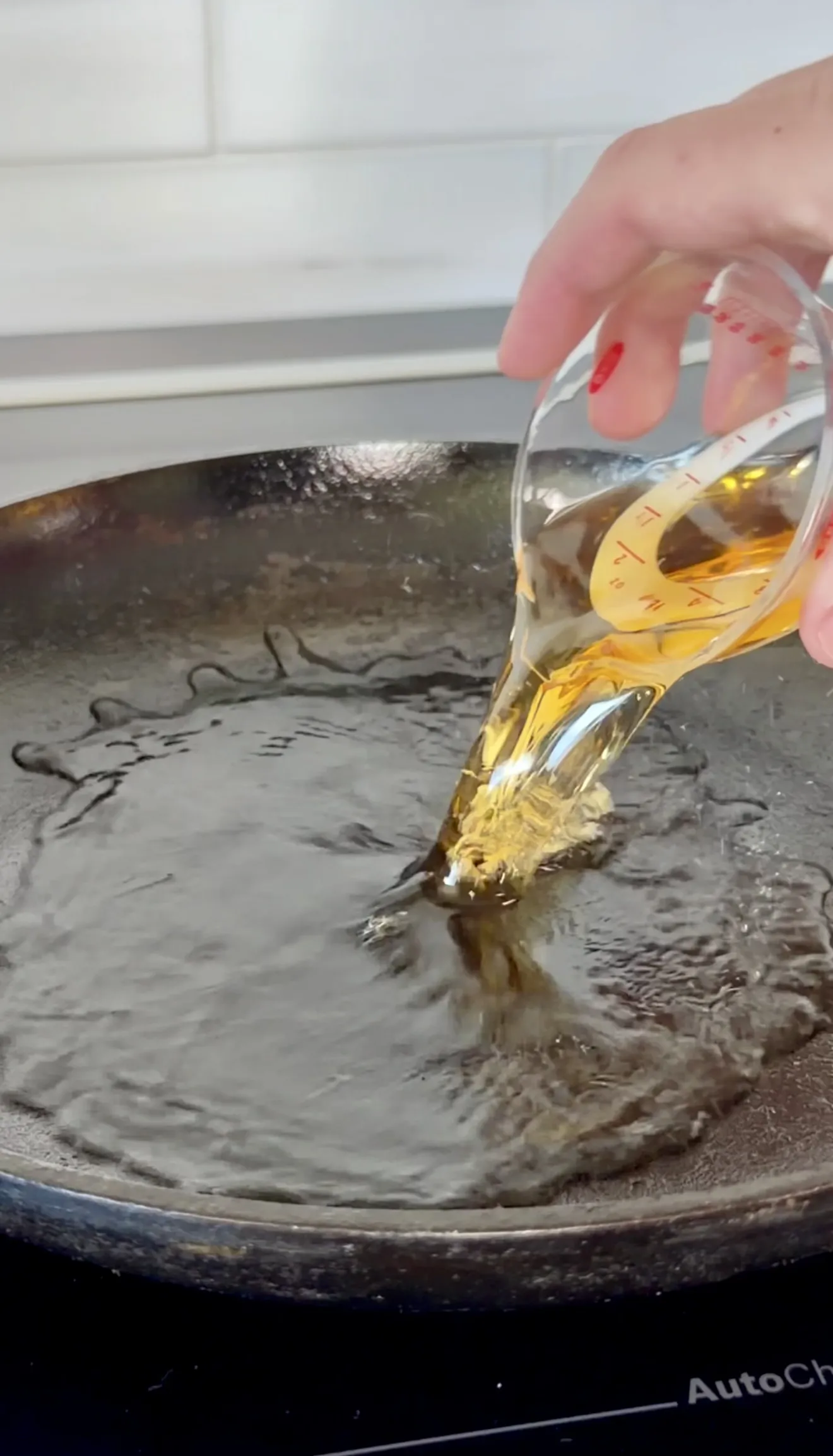
Toss in 1 tablespoon of minced shallot and cook for 1 minute until softened. Then stir in 2 minced garlic cloves and cook for 30 seconds. Remove from heat and fold in 1 tablespoon of chopped parsley, 1 teaspoon of lemon juice, a quarter teaspoon of red pepper flakes, and a pinch of salt. The lemon juice adds brightness that cuts through the richness. Meanwhile, the red pepper flakes contribute a subtle warmth without making the butter spicy.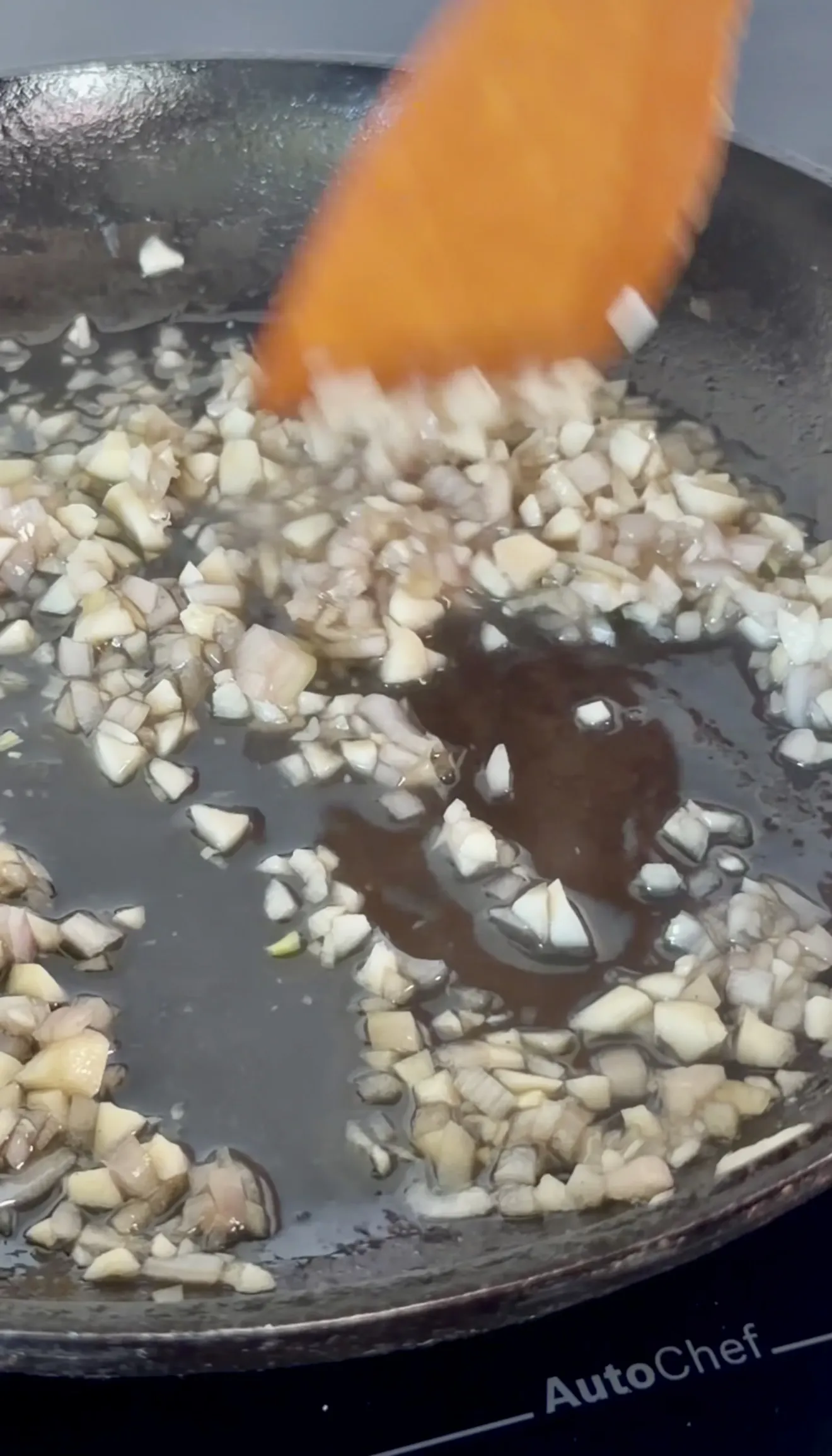
Choosing the Right Whiskey
Use a whiskey or bourbon you would actually drink. Very cheap whiskey tastes harsh once reduced, and that harshness concentrates in the butter. For this recipe, I used Hooten Young Bottled-in-Bond Bourbon, which brings rich caramel and vanilla notes that complement the butter and beef without overpowering them. The quality of the spirit matters here because the reduction process amplifies whatever flavors are already in the bottle. Hooten Young is smooth enough to sip on its own, which means it translates beautifully into a cooking application like this. Use code GRILLNATION at hootenyoung.com if you want to grab a bottle.
Make-Ahead Option
You can make the whiskey butter up to 3 days ahead. Store it in an airtight container in the refrigerator and gently reheat on the stovetop before using. If the butter thickens as it cools, warm it for 10-15 seconds over low heat and stir until it loosens.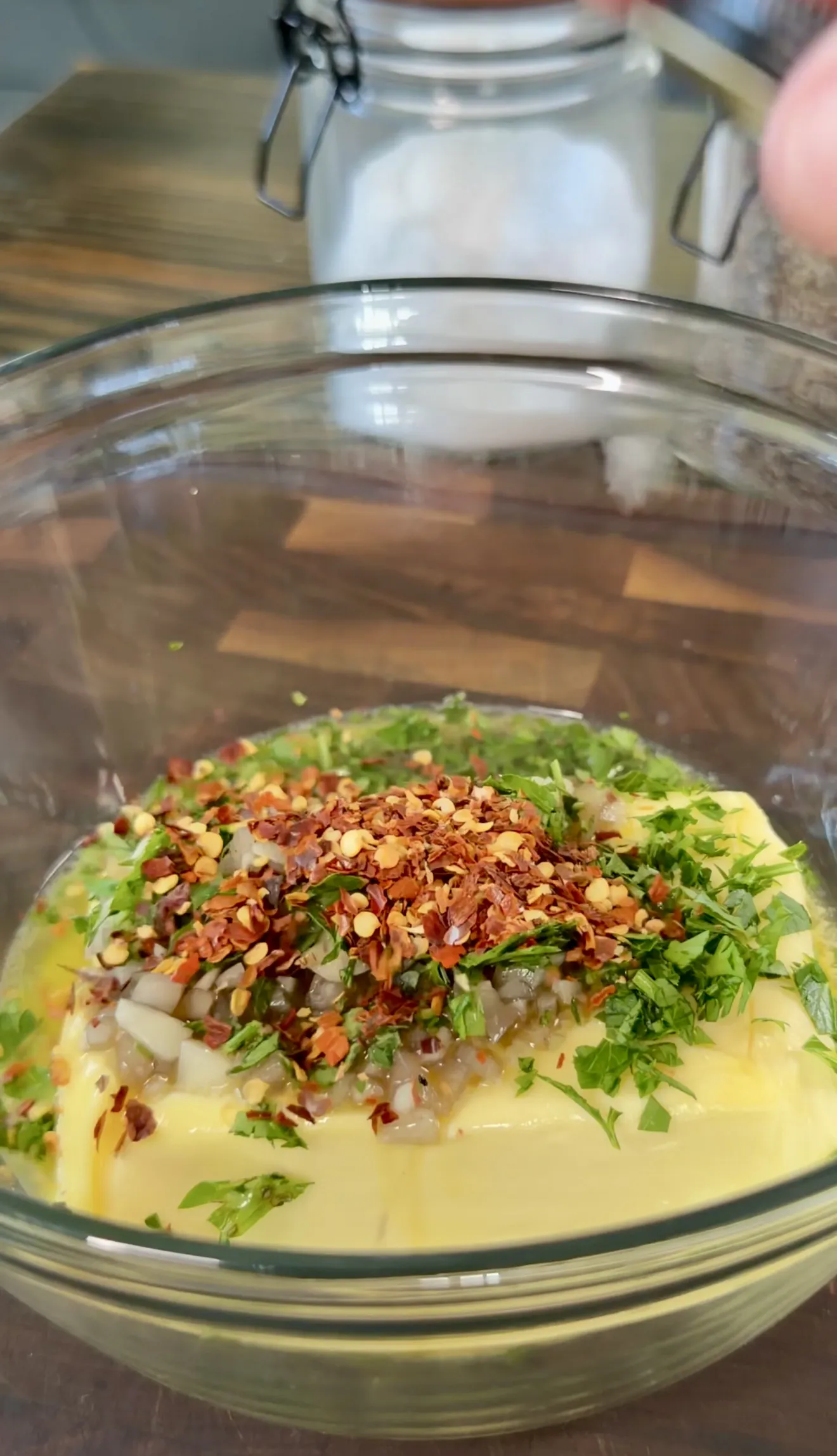
Best Cuts of Steak for the Reverse Sear with Whiskey Butter
Not every steak cut benefits equally from this technique. The reverse sear works best with thick, well-marbled cuts that can handle both the smoke and the sear without drying out.
Ribeye Steaks
Ribeye is the top choice for this recipe. The generous marbling keeps the meat juicy throughout the longer cook time. Fat renders slowly during the smoke phase, basting the steak from the inside. Consequently, by the time you hit the sear, the exterior fat cap crisps beautifully while the interior stays buttery and rich. Look for steaks at least 1.5 inches thick.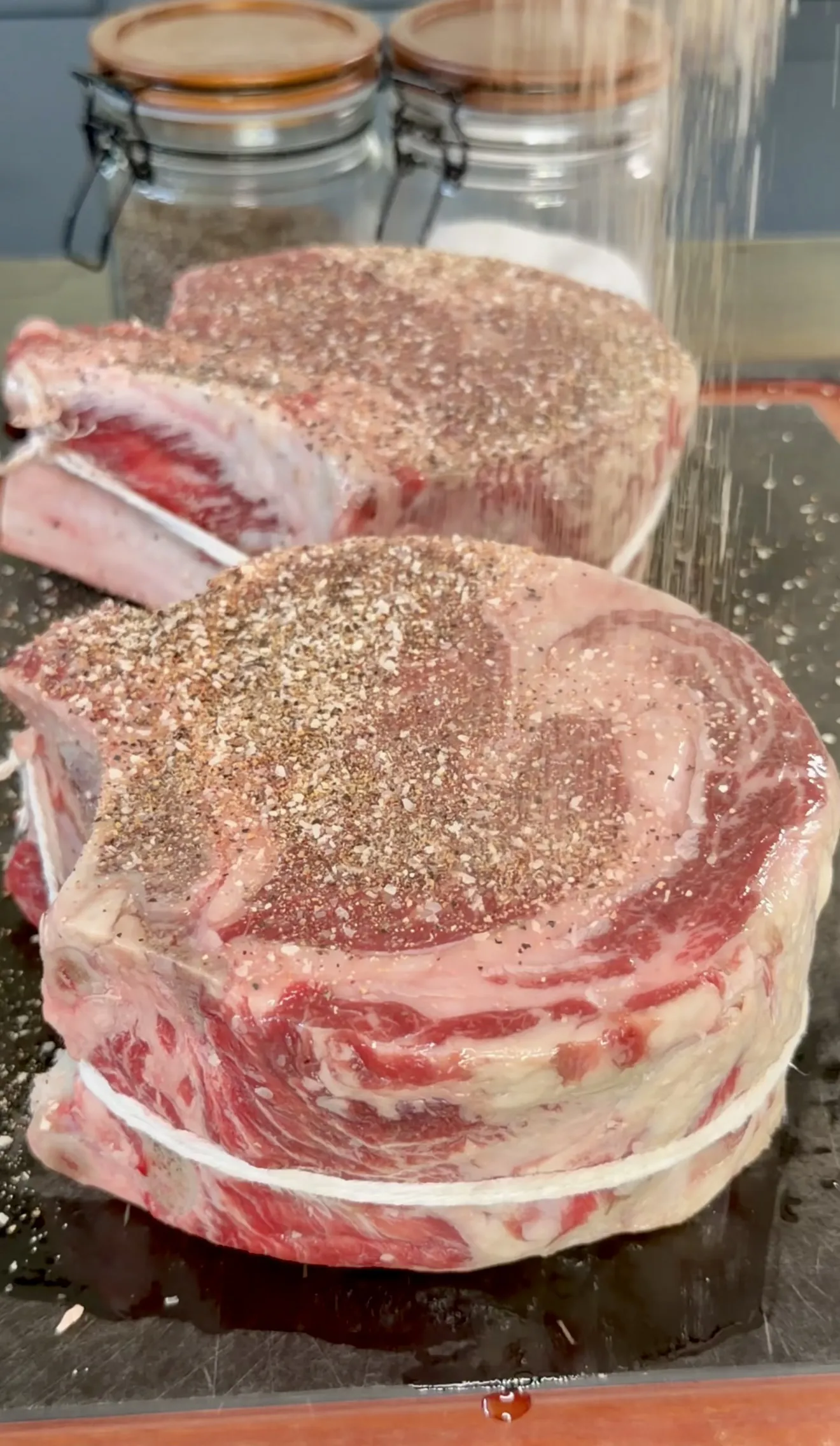
New York Strip Steaks
New York strips have a firmer texture and a pronounced beefy flavor with slightly less marbling than ribeye. They hold up well to the reverse sear and develop an excellent crust. The fat cap along one edge crisps during the sear, adding textural contrast. Strip steaks also slice cleanly, making them a great choice for presentation.
Other Options
Filet mignon works if you want a leaner, more tender cut, though it benefits most from the whiskey butter baste to compensate for its lower fat content. Top sirloin is a budget-friendly option that performs well at higher internal temperatures. Porterhouse and T-bone steaks give you both strip and tenderloin in one cut, though the two muscles cook at slightly different rates.
Best Wood for Smoking Grilled Steaks
The wood you use during the smoke phase directly impacts the finished flavor. Beef pairs best with medium to strong hardwoods that complement its natural richness without overwhelming it.
Top Wood Choices
Oak is the most versatile option and produces a clean, medium smoke flavor that works with any steak cut. Hickory adds a stronger, more traditional barbecue smoke character. Pecan falls between the two, delivering a slightly sweet, nutty smoke that pairs especially well with the whiskey butter.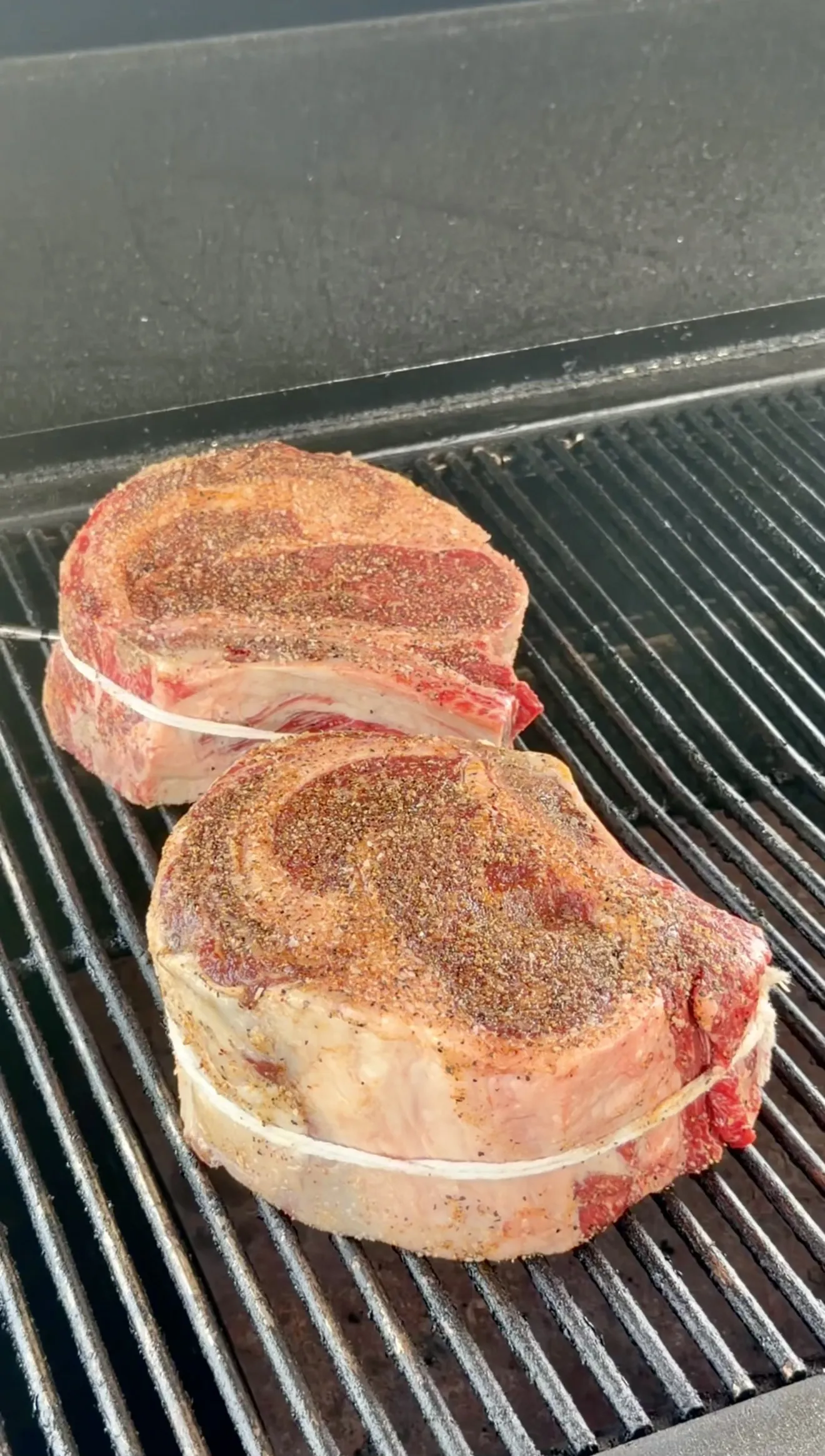
Hooten Young Smoke Chunks
I was lucky enough to get exclusive access to Hooten Young’s bourbon-barrel-aged wood chunks, made from their bourbon barrels, which ties the smoke flavor directly to the whiskey butter in this recipe. Barrel wood has been soaked in whiskey for years, so when it smolders on the coals, it releases a sweet, oaky smoke with subtle bourbon undertones. Using Hooten Young smoke chunks during the low-and-slow phase creates a flavor bridge between the smoke and the whiskey butter baste that you simply cannot get with standard hardwood. Subscribe to hootenyoung.com to see when these chunks will officially be dropped.
Wood to Use Carefully
Mesquite produces an intense, almost aggressive smoke flavor. It works for beef, but use it sparingly or blend it with a milder wood. Too much mesquite can make the steak taste bitter, especially on thinner cuts that absorb smoke quickly. For this recipe, oak, pecan, or Hooten Young barrel chunks are the best choices.
Common Mistakes That Ruin Reverse Seared Grilled Steaks
The reverse sear is forgiving, but a few execution errors can undermine your results. Knowing what to avoid saves you from wasting premium steak.
Wet Steak Surface Before Searing
Patting the steaks dry before searing is the single most important step for crust development. If moisture remains on the surface, the steak steams instead of searing. The Maillard reaction that creates the browned crust requires surface temperatures above 300°F, and water boils at 212°F. Consequently, any moisture on the surface must evaporate before browning can begin, which wastes valuable searing time.
Searing Zone Not Hot Enough
You need extreme heat for a quick sear. If your grill is only at 400°F, the steaks will overcook before the crust develops. Target 500-650°F on the grill grates. On a charcoal grill, this means a fresh bed of lit coals banked to one side. On a gas grill, crank all burners to maximum and preheat for at least 10 minutes with the lid closed.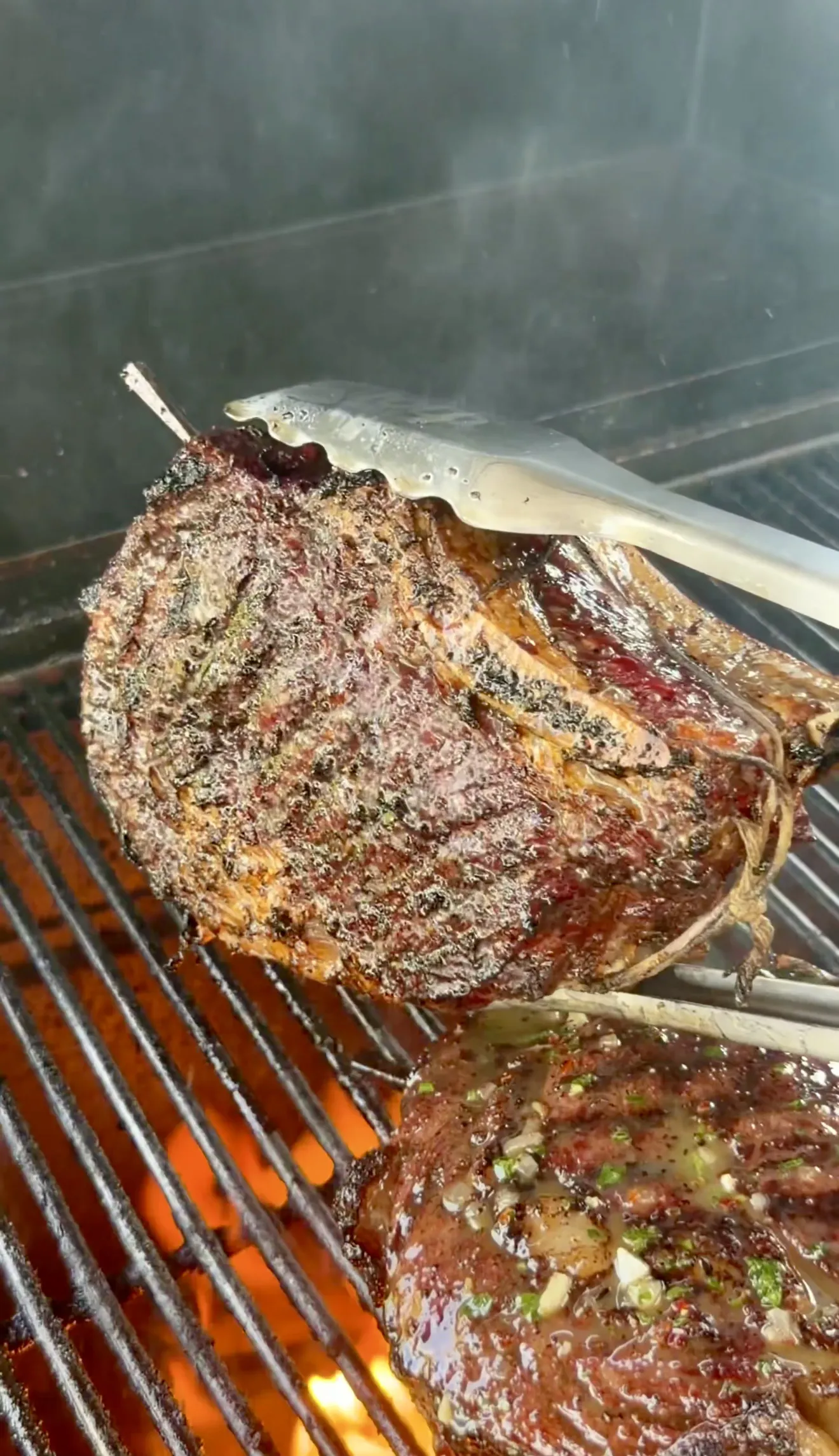
Adding Whiskey Butter Too Early
Butter burns at relatively low temperatures. If you baste with whiskey butter at the beginning of the sear, the milk solids will char before the crust forms. Wait until the final minute. This gives you the rich, nutty, browned butter flavor without the bitterness of burnt butter.
Skipping the Rest
Cutting into a steak immediately after searing causes the juices to pool on the cutting board instead of staying in the meat. A 10-minute rest allows the muscle fibers to relax and reabsorb the juices. The internal temperature will also rise 5-8°F during the rest, so account for this carryover when pulling steaks off the grill.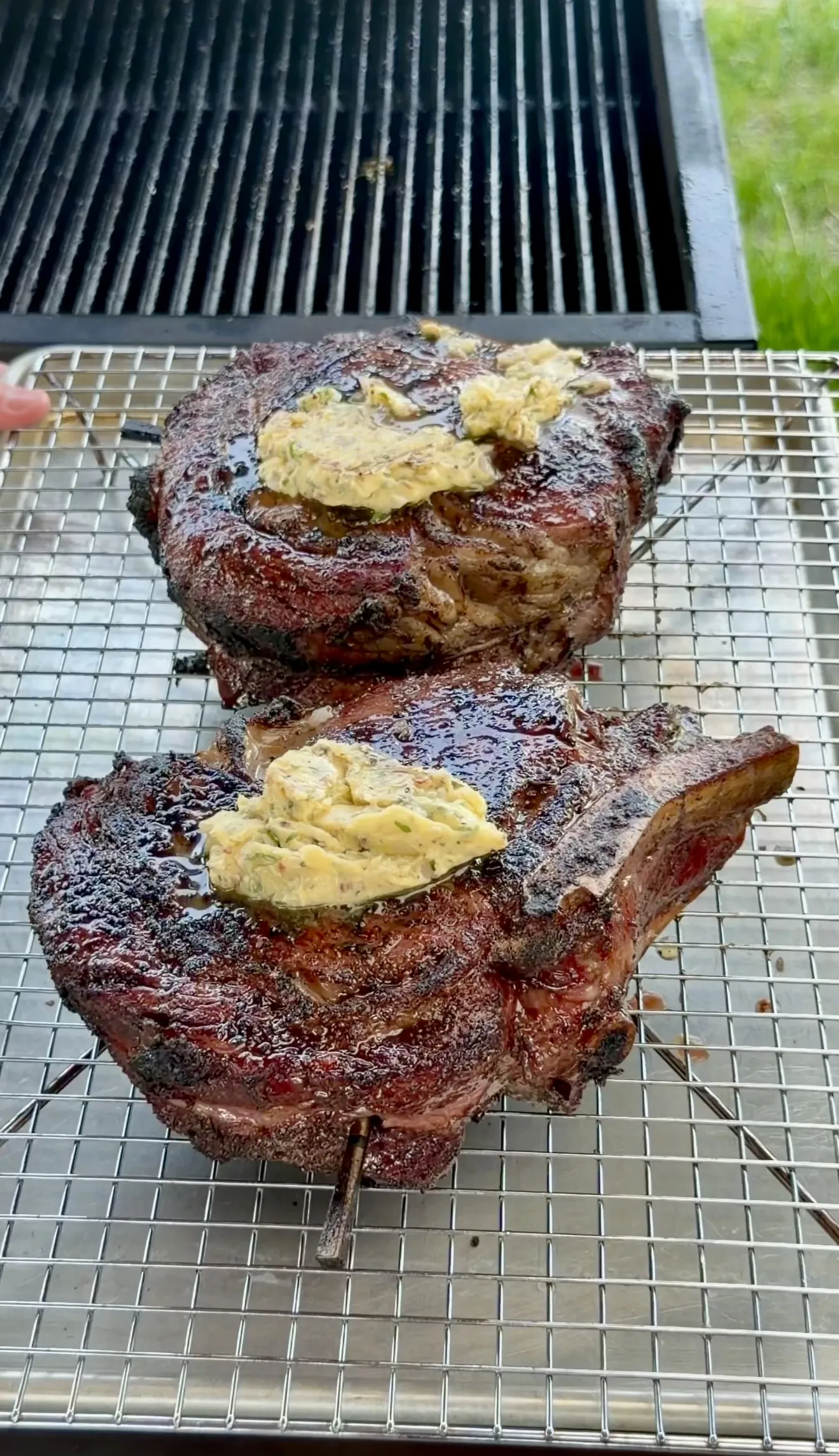
Step-by-Step Instructions
Step 1: Season the Steaks
Pat 2 thick-cut ribeye steaks completely dry with paper towels. Lightly coat with olive oil and season all sides with 1 tablespoon kosher salt, 1 teaspoon coarse black pepper, and 1 teaspoon garlic powder. Let the steaks sit at room temperature for 20-30 minutes while the grill heats. This tempers the meat so it cooks more evenly.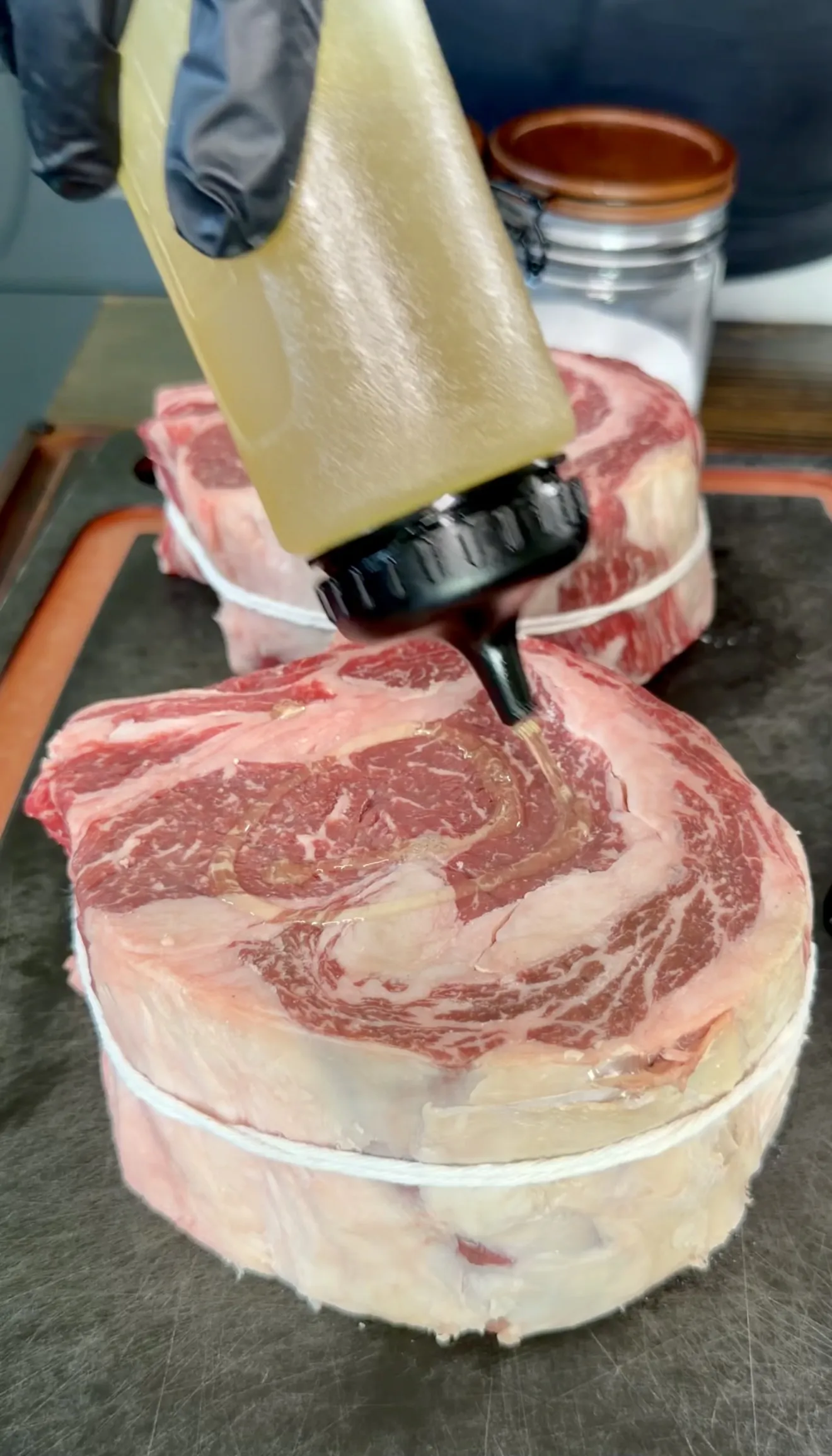
Step 2: Make the Whiskey Butter
Melt 1 stick of unsalted butter in a small skillet over medium-low heat. Pour in 2 tablespoons of whiskey or bourbon and simmer for 1 minute to cook off the harsh alcohol. Toss in the minced shallot and cook for 1 minute. Next, stir in the minced garlic and cook for 30 seconds. Remove from heat and fold in parsley, lemon juice, red pepper flakes, and a pinch of salt. Set aside and keep warm.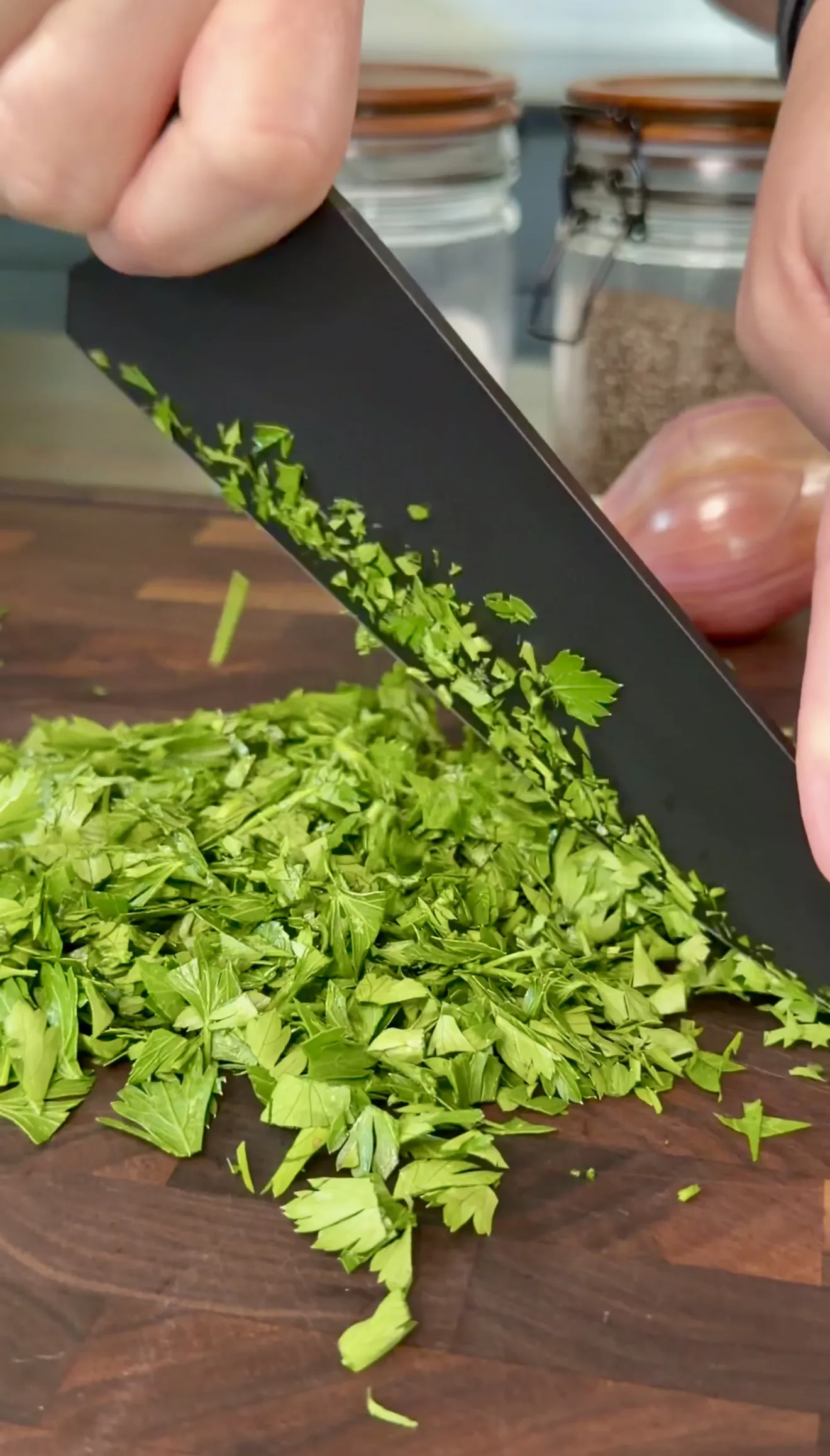
Step 3: Smoke the Steaks
Preheat your smoker or grill to 225°F for indirect cooking. Place the steaks on the grates and smoke until the internal temperature reaches 115°F for a medium-rare finish. This typically takes 30-45 minutes depending on steak thickness. Use an instant-read thermometer to monitor. The steaks will look pale and unappetizing at this stage. That is normal and expected.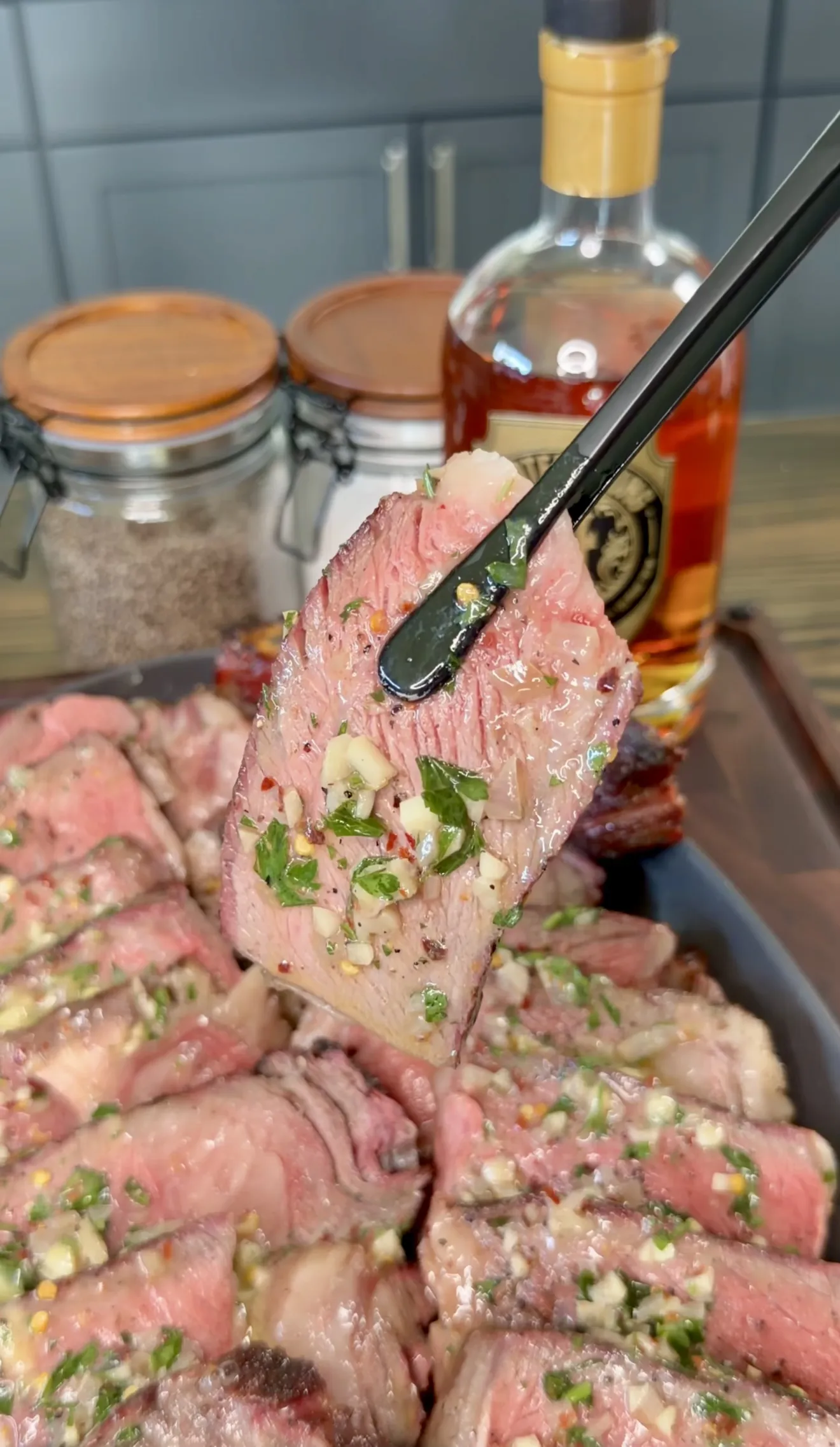
Step 4: Sear the Steaks
Heat your searing zone to 500-650°F. Pat the steaks dry one more time before searing. Surface moisture is the enemy of crust development. Sear the steaks for 60-90 seconds per side until a deep, mahogany-brown crust forms. During the final minute of searing, baste generously with the whiskey butter using a spoon or brush. Do not add the whiskey butter early in the sear. The final minute gives you browned, nutty butter flavor without burning.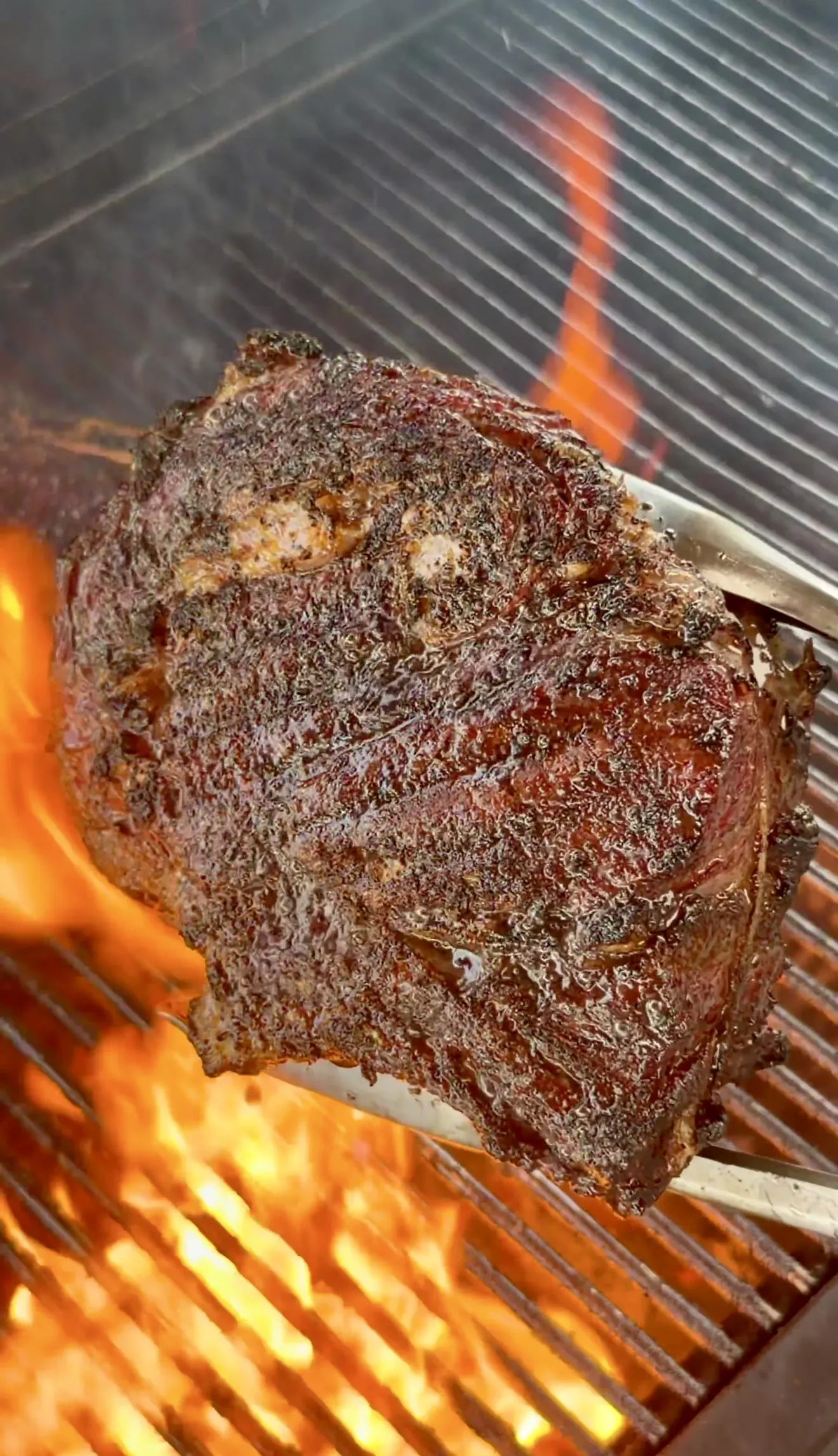
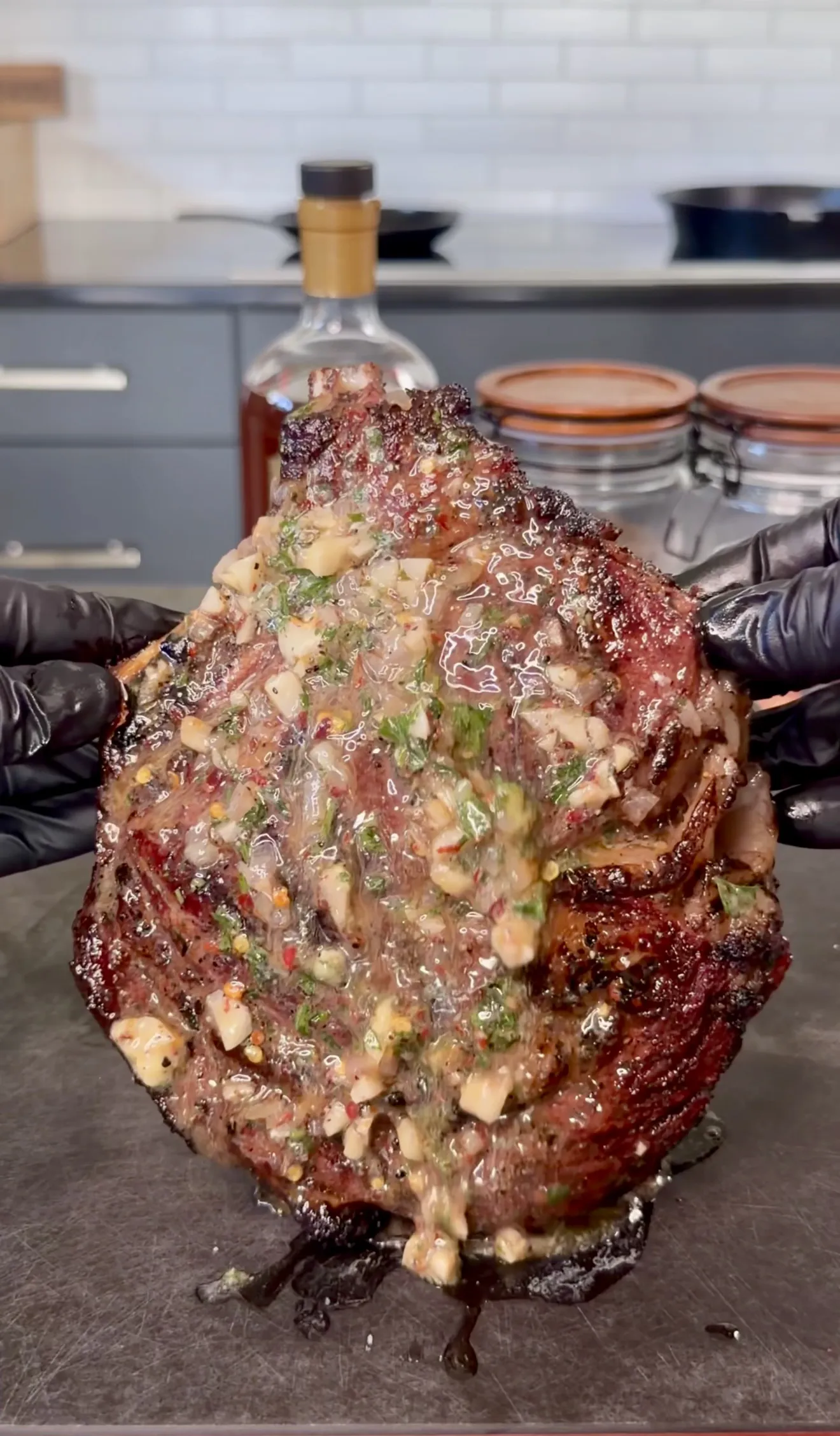
Step 5: Rest the Steaks
Transfer the steaks to a wire rack or cutting board. Spoon more whiskey butter over the top. Rest for 10 minutes. Resting on a wire rack helps preserve the crust better than placing steaks flat on a cutting board, where trapped steam can soften the underside.
Step 6: Slice and Serve
Slice against the grain and serve with any remaining warm whiskey butter spooned over the top. The finished steaks should have a thin, dark crust surrounding perfectly pink, edge-to-edge medium-rare meat with a glossy whiskey butter sheen.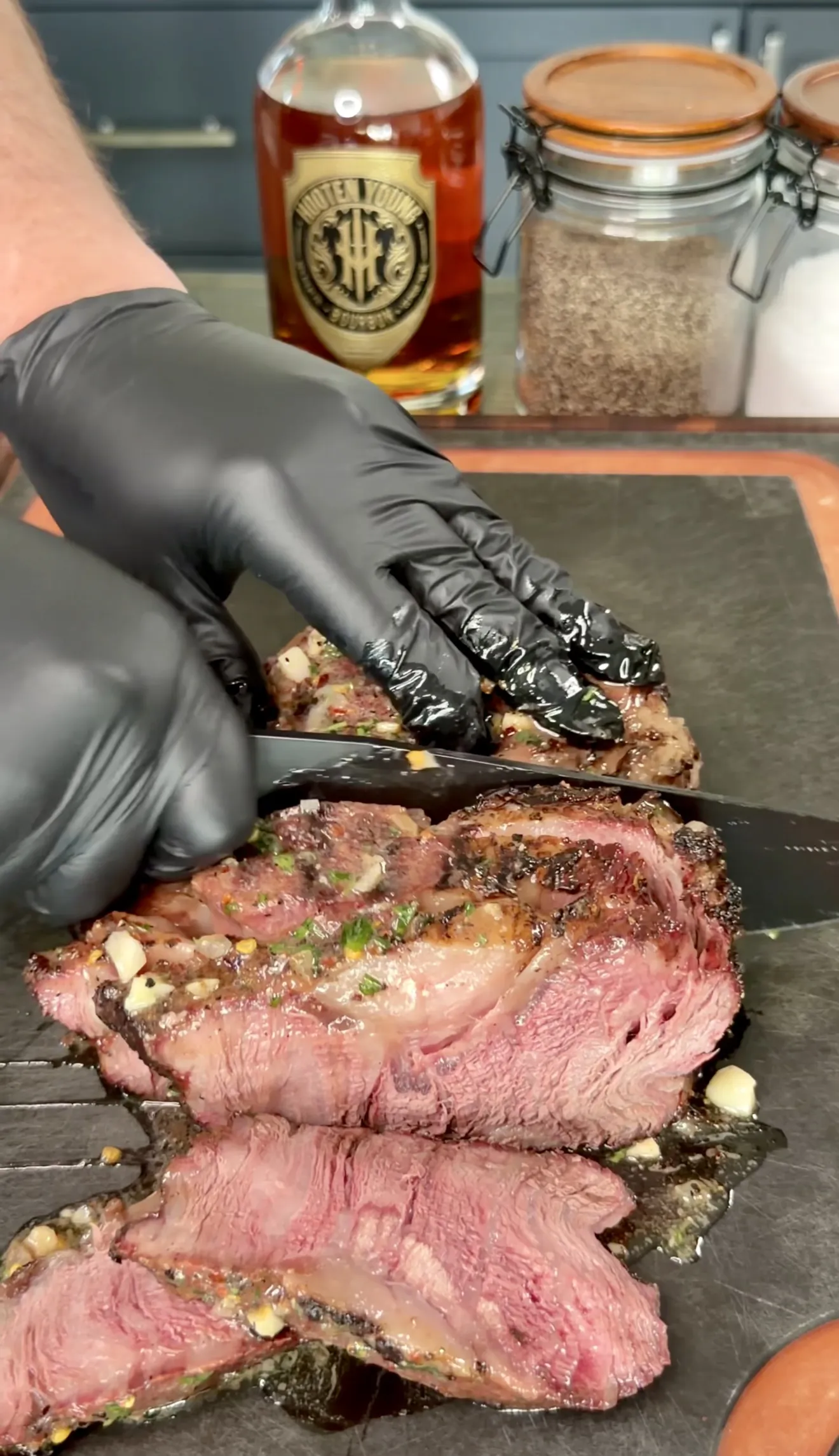
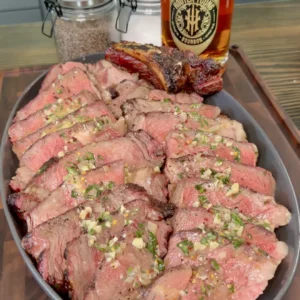
Grilled Steaks with Whiskey Butter
Equipment
- Smoker or Grill with Indirect Zone
- Instant-Read Thermometer
- Small Skillet
- Basting Brush or Spoon
- Wire Rack
Ingredients
Steaks
- 2 thick-cut ribeye steaks 1.5 to 2 inches thick; New York strip also works
- 1 tbsp olive oil
- 1 tbsp kosher salt
- 1 tsp coarse black pepper
- 1 tsp garlic powder
Whiskey Butter
- 1 stick unsalted butter 8 tablespoons
- 2 tbsp whiskey or bourbon use one you’d actually drink (suggest Hooten Young Bottled-in-Bond Bourbon)
- 2 garlic cloves minced
- 1 tbsp shallot minced
- 1 tbsp fresh parsley chopped
- 1 tsp lemon juice
- 1/4 tsp red pepper flakes
- 1 pinch salt
Instructions
- Pat steaks dry with paper towels. Coat lightly with olive oil and season all sides with kosher salt, black pepper, and garlic powder. Let sit at room temperature for 20-30 minutes while the grill heats.
- Melt butter in a small skillet over medium-low heat. Add whiskey and simmer 1 minute to cook off harsh alcohol. Add shallot and cook 1 minute. Add garlic and cook 30 seconds. Remove from heat and stir in parsley, lemon juice, red pepper flakes, and a pinch of salt. Set aside and keep warm.
- Preheat smoker or grill to 225°F for indirect cooking. Place steaks on the grates and smoke until internal temperature reaches 115°F for medium-rare (30-45 minutes depending on thickness).
- Heat searing zone to 500-650°F. Pat steaks dry one more time. Sear 60-90 seconds per side until deeply browned. During the final minute, baste generously with whiskey butter.
- Transfer steaks to a wire rack or cutting board. Spoon more whiskey butter over the top. Rest for 10 minutes.
- Slice against the grain and serve with remaining warm whiskey butter spooned over the top.
Notes
Nutrition
Grill Nation – Grilled Steaks FAQ
Frequently Asked Questions
Grilled Steaks with Whiskey Butter
8 Q&A
Click a question to reveal the answer
Grilled Steaks with Whiskey Butter FAQ
Q1
What temperature should I pull the steaks from the smoker?
Pull at 110°F for rare, 115°F for medium-rare, or 120°F for medium. The sear and 10-minute rest will add 15-18°F of carryover, bringing the steaks to their final target temperature.Q2
Can I use a gas grill for the reverse sear?
Yes. Set one burner to low for the smoke phase and use a smoker box with wood chips. For the sear, crank all burners to maximum and preheat the grates for at least 10 minutes with the lid closed before searing.Q3
Why not use a cold compound butter instead?
A cold compound butter puck melts slowly on top of the steak and mostly runs off. Warm basted whiskey butter penetrates into the crust during the sear and coats the meat more evenly during the rest, delivering deeper flavor throughout.Q4
What is the best wood for smoking steaks?
Oak is the most versatile choice with clean, medium smoke. Hickory adds stronger barbecue character. Pecan delivers a slightly sweet, nutty smoke that pairs especially well with whiskey butter. Avoid mesquite unless blended with a milder wood.
More Questions About Whiskey Butter Steaks
Q5
Can I make the whiskey butter ahead of time?
Yes. Make it up to 3 days ahead and store in an airtight container in the refrigerator. Gently reheat on the stovetop before using. If it thickens, warm it for 10-15 seconds over low heat and stir until it loosens.Q6
How thick should the steaks be for a reverse sear?
Steaks should be at least 1.5 inches thick for the reverse sear to work properly. Thinner steaks cook too quickly during the smoke phase and do not develop enough smoke flavor before reaching temperature. Two inches thick is ideal.Q7
Why do I need to pat the steaks dry twice?
The first dry before seasoning helps the rub adhere. During the smoke phase, moisture rises to the surface again. Drying a second time before the sear removes that moisture so the steaks brown immediately on contact instead of steaming.Q8
What bourbon works best for the whiskey butter?
Use a mid-range bourbon you would drink on its own. Cheap whiskey tastes harsh once reduced and that harshness concentrates in the butter. Hooten Young Bottled-in-Bond Bourbon, Buffalo Trace, Maker’s Mark, or Woodford Reserve all work well.
Grill NationFAQ