Pellet Smoked Ribs
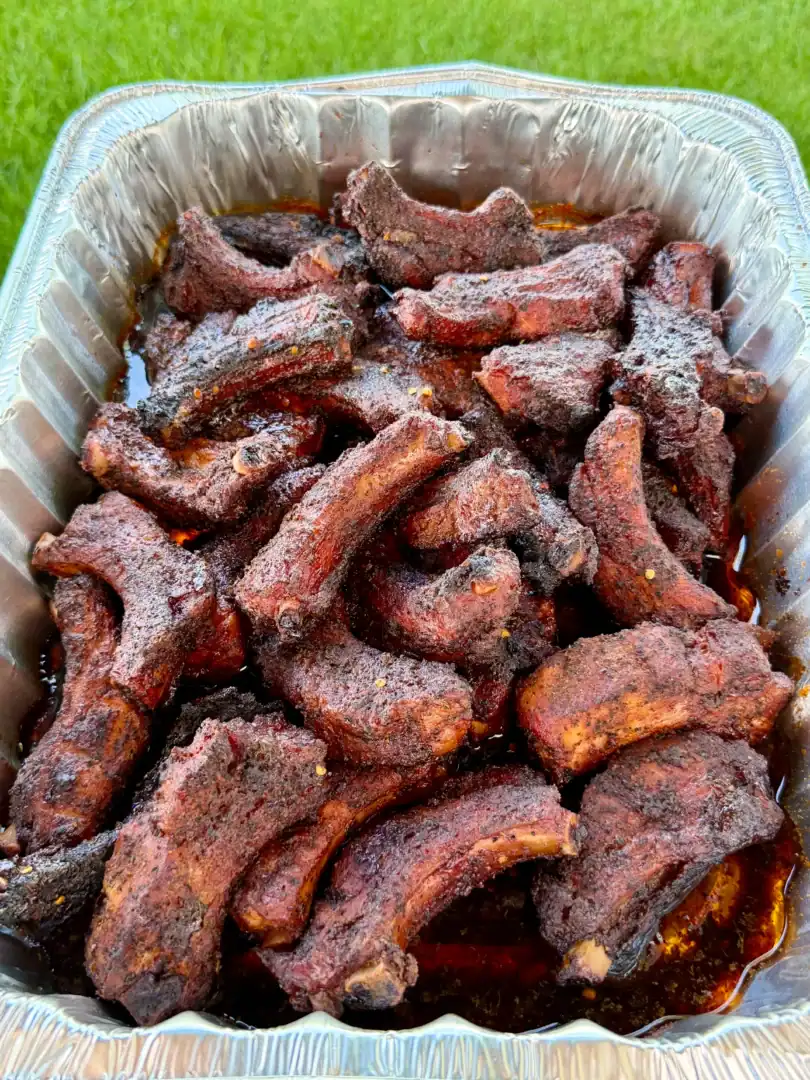
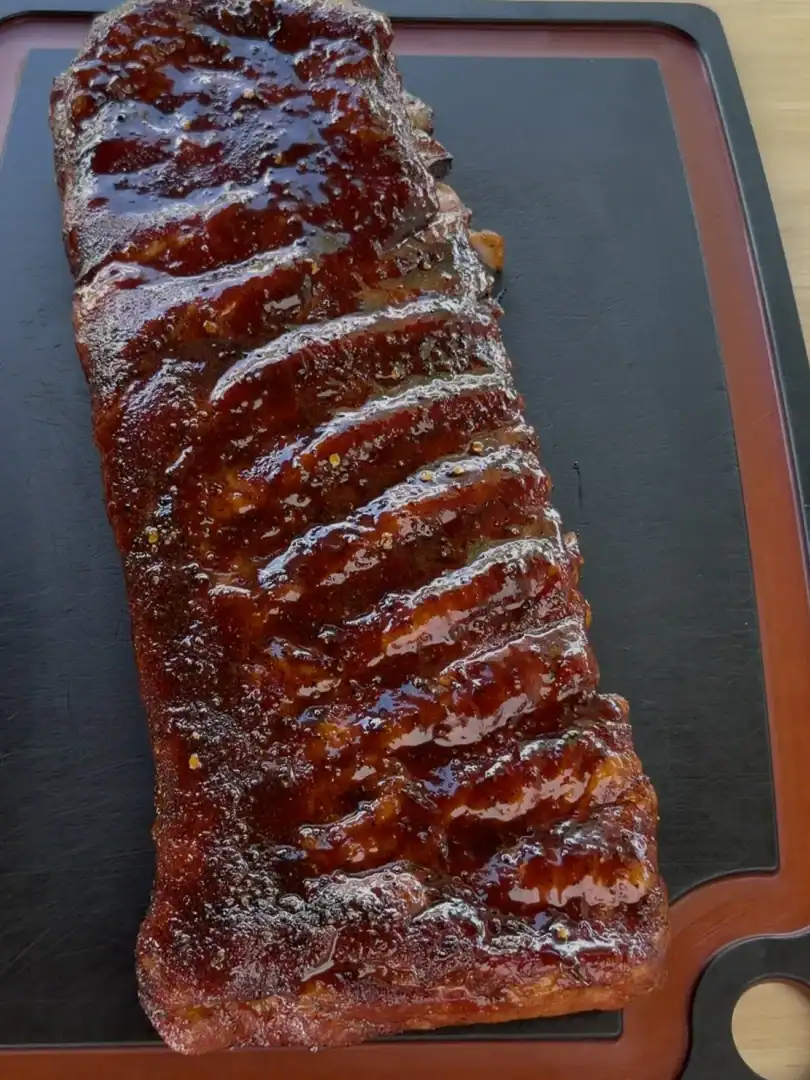
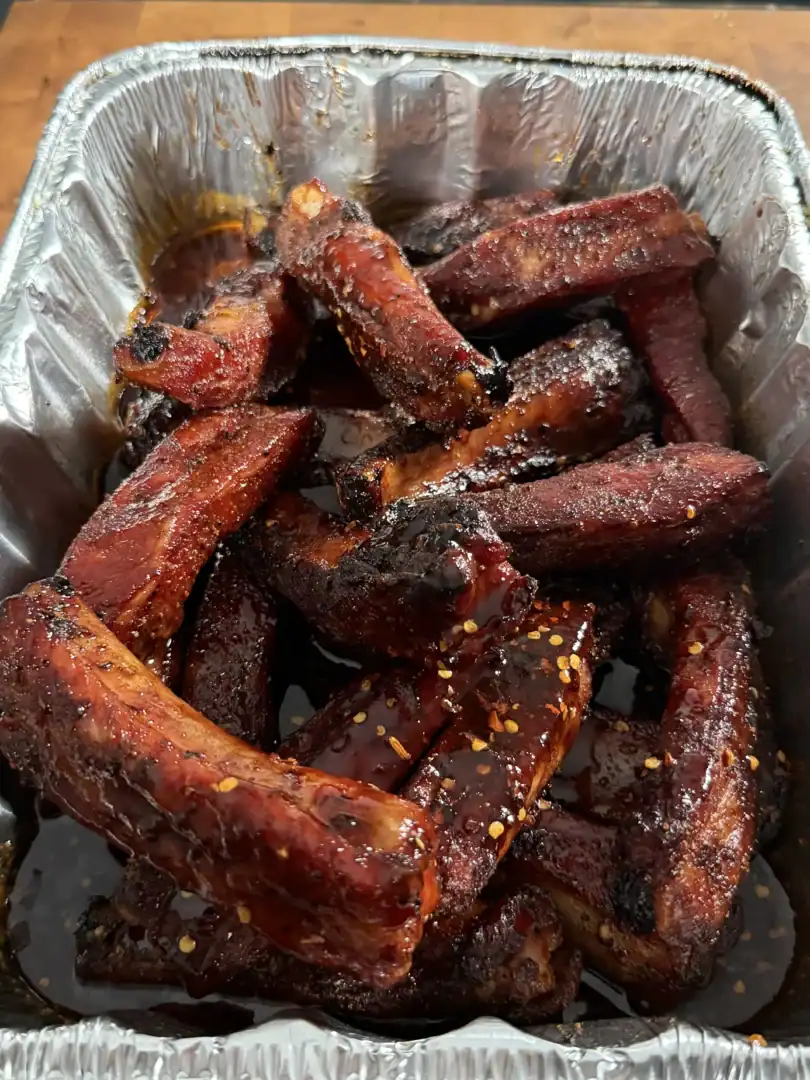
Pellet smoked ribs with a sticky homemade honey jalapeño BBQ sauce glaze, smoked at 275°F on a pellet grill for better bark, cleaner bite-through, and proper fat rendering. These St. Louis style ribs go through three phases: 1.5 to 2 hours of open smoke to build color and bark, an optional wrap with butter, brown sugar, honey, and apple juice for 1 to 1.5 hours, then 20 to 30 minutes uncovered to set the glaze. Total cook time is 3.5 to 4 hours and the recipe serves 4 to 6.
What Temperature Should I Smoke Ribs at on a Pellet Grill
275°F is the ideal pellet smoker temperature for ribs. It renders fat more efficiently than 225°F, builds better bark, and produces a cleaner bite-through texture. Most pellet smoker rib recipes default to 225°F because that has been the low-and-slow standard for decades. However, ribs are a thinner cut than brisket or pork butt, and they do not need 6+ hours to break down connective tissue. Running at 275°F gives you the smoke time you need without drying out the meat or producing that mushy, overcooked texture that happens when thin cuts sit too long at low heat.
Why 275°F Wins Over 225°F
At 275°F, the fat between and around the bones renders more completely than at 225°F. This means less chewy, waxy fat in the finished rib. The higher heat also promotes better bark formation because the surface of the meat dries faster and the rub caramelizes more aggressively. Additionally, you get a cleaner bite. The meat pulls away from the bone with a gentle tug but does not fall apart. That clean bite is the mark of properly cooked ribs, not the “fall off the bone” texture that usually means overcooked.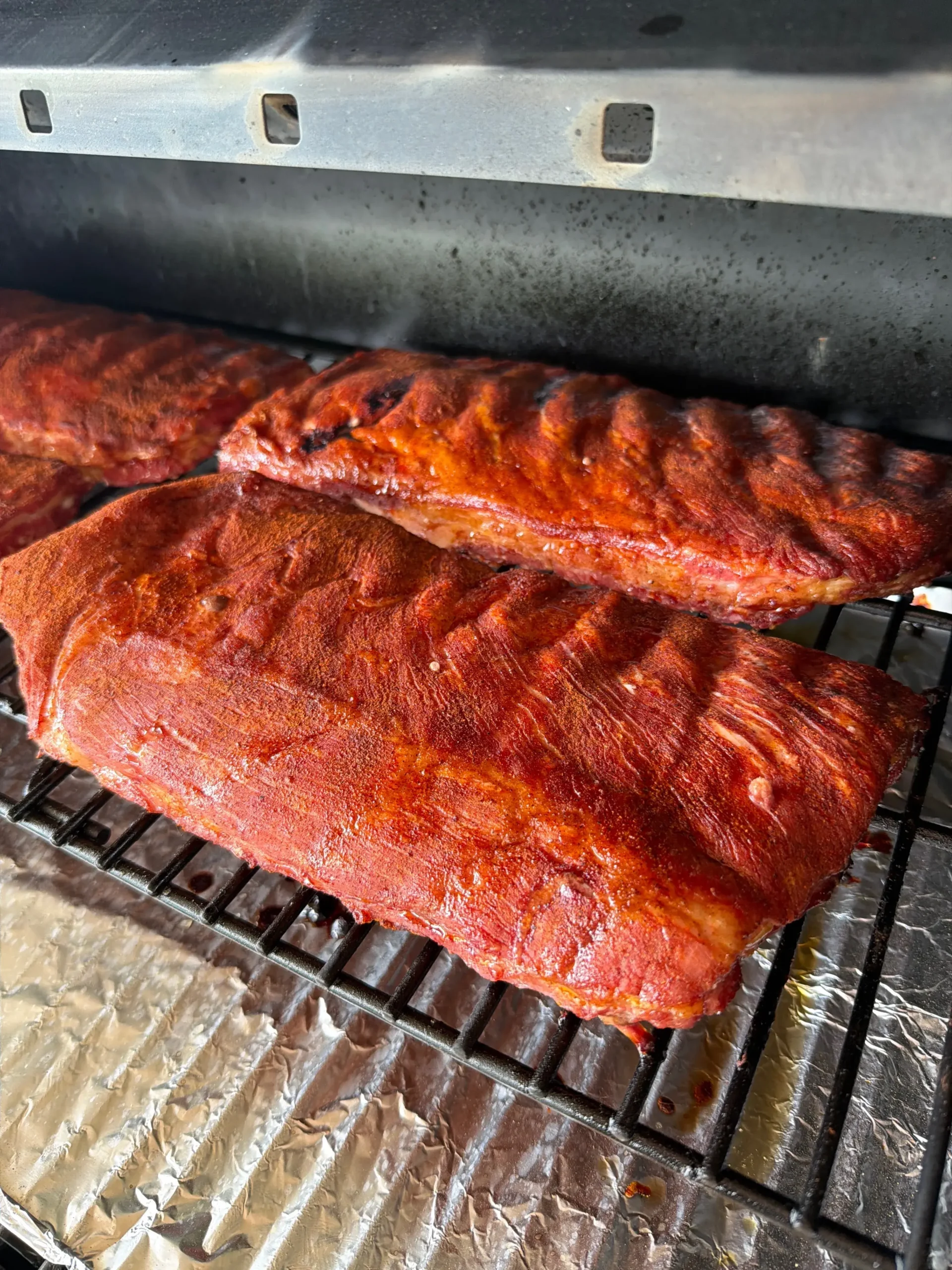
Should I Cook Ribs at 225 or 275 on a Pellet Smoker
275°F is the better choice for pellet smoker ribs. You still get 1.5 to 2 hours of clean smoke flavor during the first phase, which is more than enough for a thin cut like ribs. Dropping to 225°F extends the cook by 1 to 2 hours without a meaningful improvement in smoke penetration, and the longer cook time increases the risk of the meat drying out before the fat fully renders.
What Are St. Louis Style Ribs
St. Louis style ribs are spare ribs with the rib tips and cartilage trimmed off, leaving a uniform rectangular rack. This even shape is important on a pellet grill because it means every bone cooks at the same rate. Baby back ribs are leaner and cook faster, but they dry out more easily at 275°F because they have less intramuscular fat. St. Louis ribs have more fat and connective tissue, which means more flavor and a more forgiving cook window.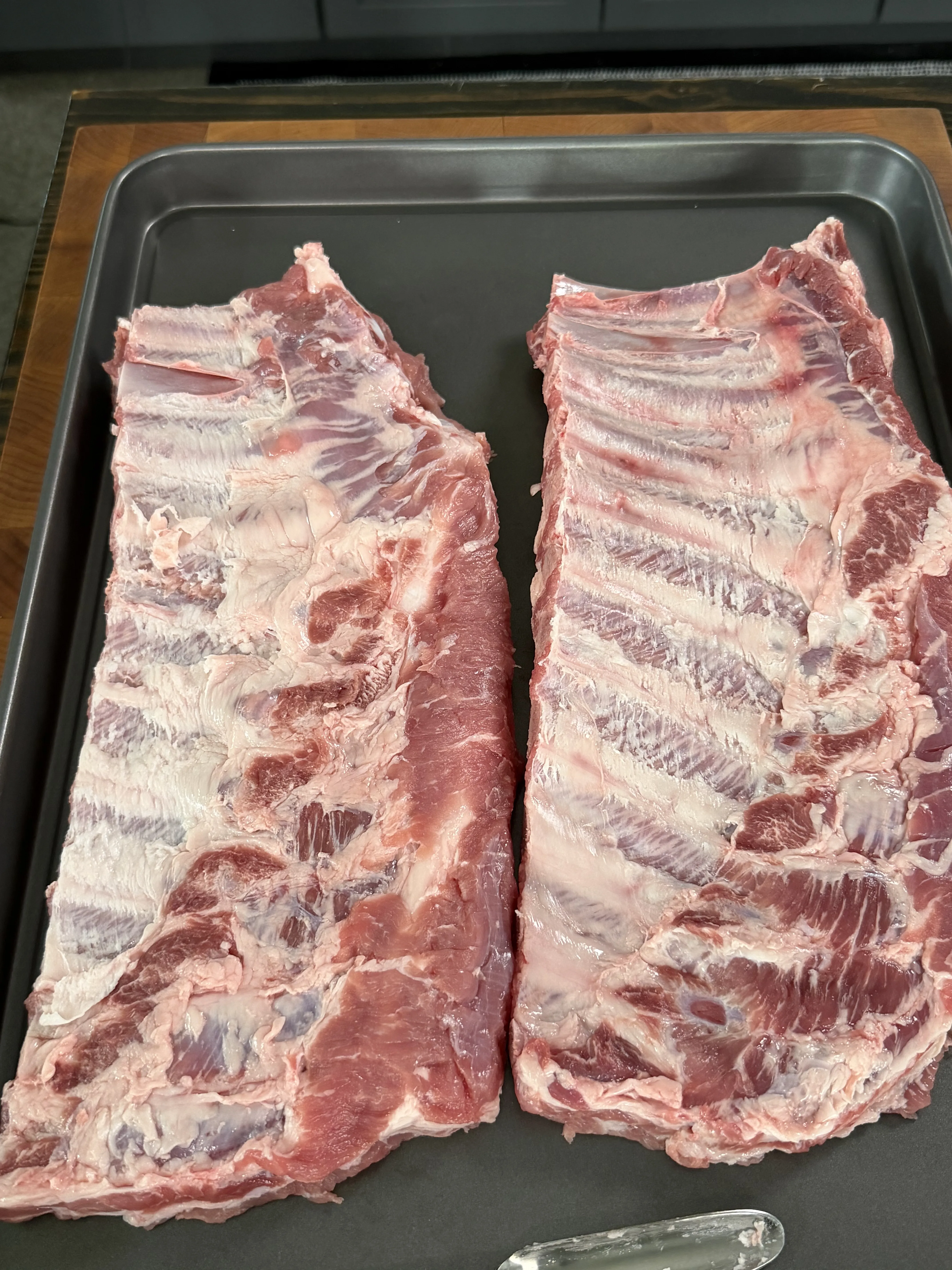
St. Louis Ribs vs. Baby Back on a Pellet Smoker
Baby backs work on a pellet smoker, but they need a shorter cook time and more careful temperature monitoring because of their lower fat content. St. Louis ribs are the more reliable choice for the 275°F method because the extra fat renders beautifully at this temperature and the thicker meat holds up to the full 3.5 to 4 hour cook without drying out.
How to Prep Ribs for the Pellet Smoker
Good ribs start with clean prep. Skipping the membrane removal or rushing the seasoning step leads to chewy texture and uneven bark.
Remove the Membrane
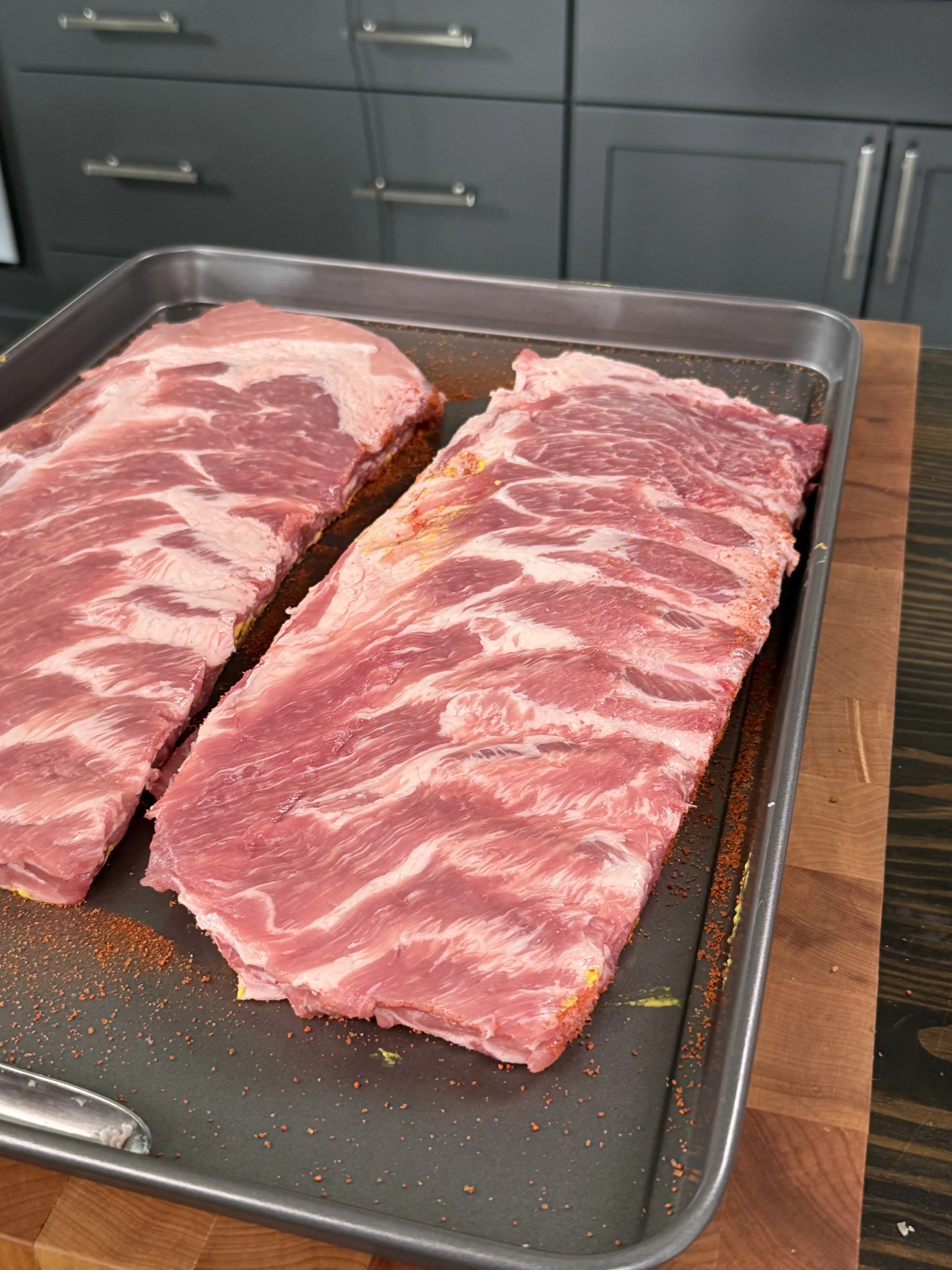
Flip the rack bone-side up. Slide a butter knife or your fingertip under the membrane at one end of the rack and peel it back. Grab it with a paper towel for grip and pull it off in one piece. The membrane blocks smoke and seasoning from penetrating the back of the ribs. Leaving it on creates a tough, rubbery layer that does not render during the cook.
Apply the Mustard Binder and Rub
Coat both sides of the rack with a thin layer of yellow mustard. The mustard acts as a binder that helps the rub stick to the meat. You will not taste the mustard in the finished product because it cooks off during the smoke. Apply 2 tablespoons of your go-to BBQ rub evenly on all sides. Use a rub with a good balance of salt and sugar. Let the ribs sit for 15 to 20 minutes while the grill comes up to temperature. This resting period allows the rub to dissolve into the surface moisture and form a paste that becomes bark during the cook.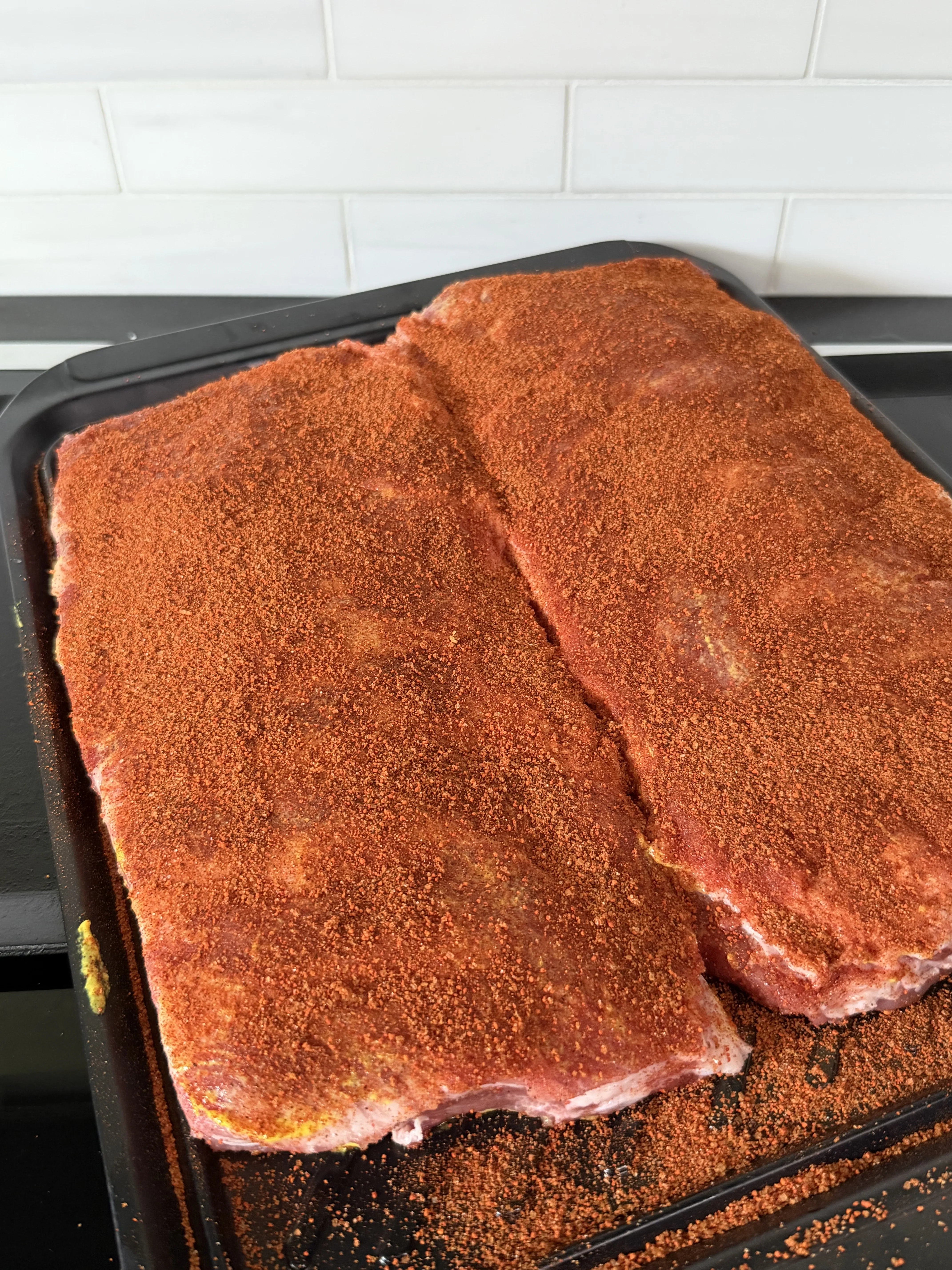
How Long Do Pellet Smoked Ribs Take at 275°F
St. Louis ribs take roughly 3.5 to 4 hours at 275°F on a pellet smoker: 1.5 to 2 hours unwrapped, 1 to 1.5 hours wrapped, and 20 to 30 minutes uncovered to set the glaze.
Phase 1: The Smoke (1.5-2 Hours)
Place the ribs meat-side up on the pellet smoker at 275°F. Smoke for 1.5 to 2 hours without opening the lid. By the end of this phase, you should see a deep red color on the surface. Bark should be starting to form. You will notice slight bone pullback where the meat has contracted away from the ends of the bones. These are your visual cues that the first phase is complete.
Phase 2: The Wrap (1-1.5 Hours, Optional)
Lay out a sheet of aluminum foil or butcher paper. Place the ribs meat-side down on the foil. Add 2 tablespoons of butter, 2 tablespoons of brown sugar, 2 tablespoons of honey, and 2 to 3 tablespoons of apple juice per rack. Wrap tightly and return to the smoker for 1 to 1.5 hours. The ribs should feel tender when you pick up the wrapped rack with tongs.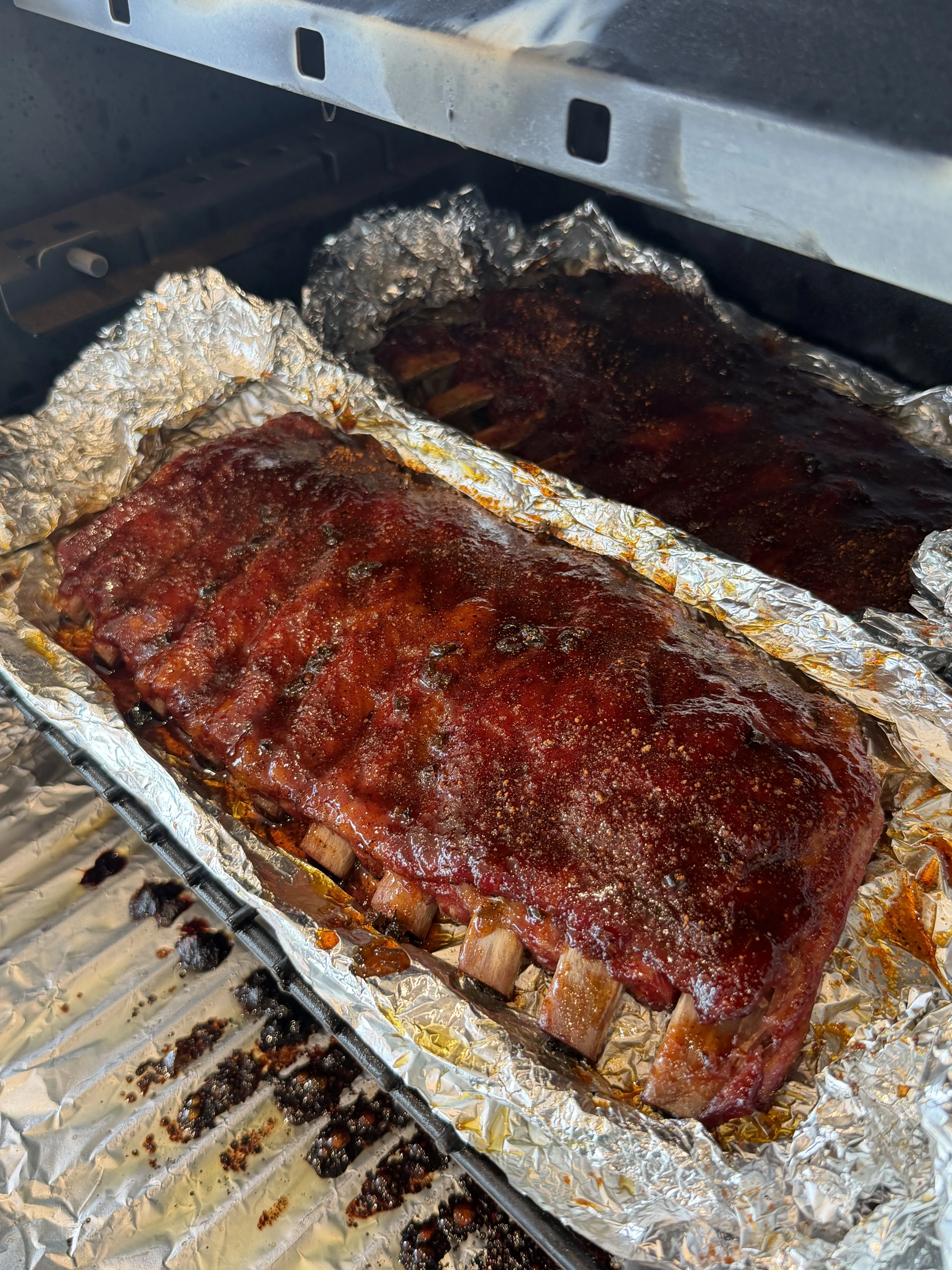
Do not overdo the wrap liquid. Too much liquid turns the wrap into a steam bath, and steamed ribs have soft, mushy bark instead of the firm, textured bark you built during Phase 1. Two to three tablespoons of apple juice is enough. You want to braise, not boil.
No-Wrap Alternative
If you prefer a firmer bark, skip the wrap entirely. Unwrapped ribs take about 4.5 to 5 hours total at 275°F. The bark will be thicker and more pronounced. The trade-off is slightly less tender meat near the bone and a longer cook time. Both methods produce excellent results. If you enjoy our pellet smoked chicken wings, you already know how well the 275°F method works on smaller cuts without wrapping.
Phase 3: Glaze and Set (20-30 Minutes)
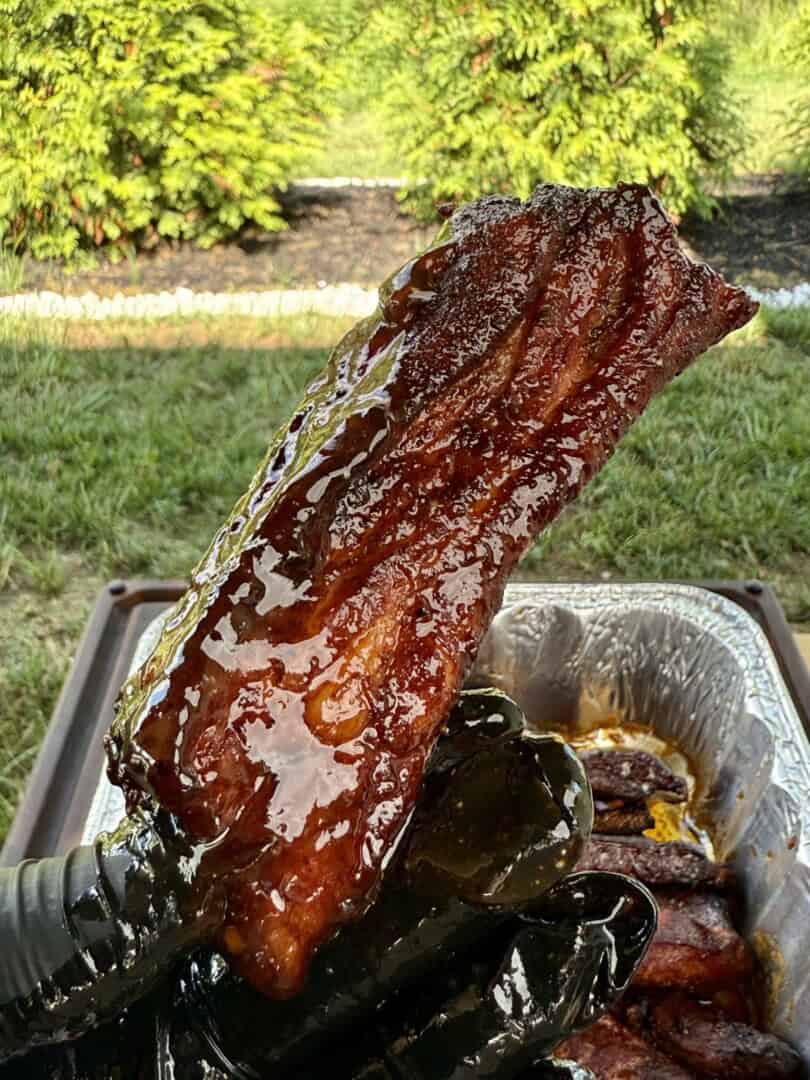
Remove the ribs from the wrap and place them back on the smoker meat-side up. Brush generously with the Honey Jalapeño BBQ Sauce. Cook uncovered for 20 to 30 minutes. The sauce should tack up into a sticky glaze. If the sauce is still wet when you pull the ribs, it will slide right off when you slice. Give it the full 15 to 20 minutes to set before pulling.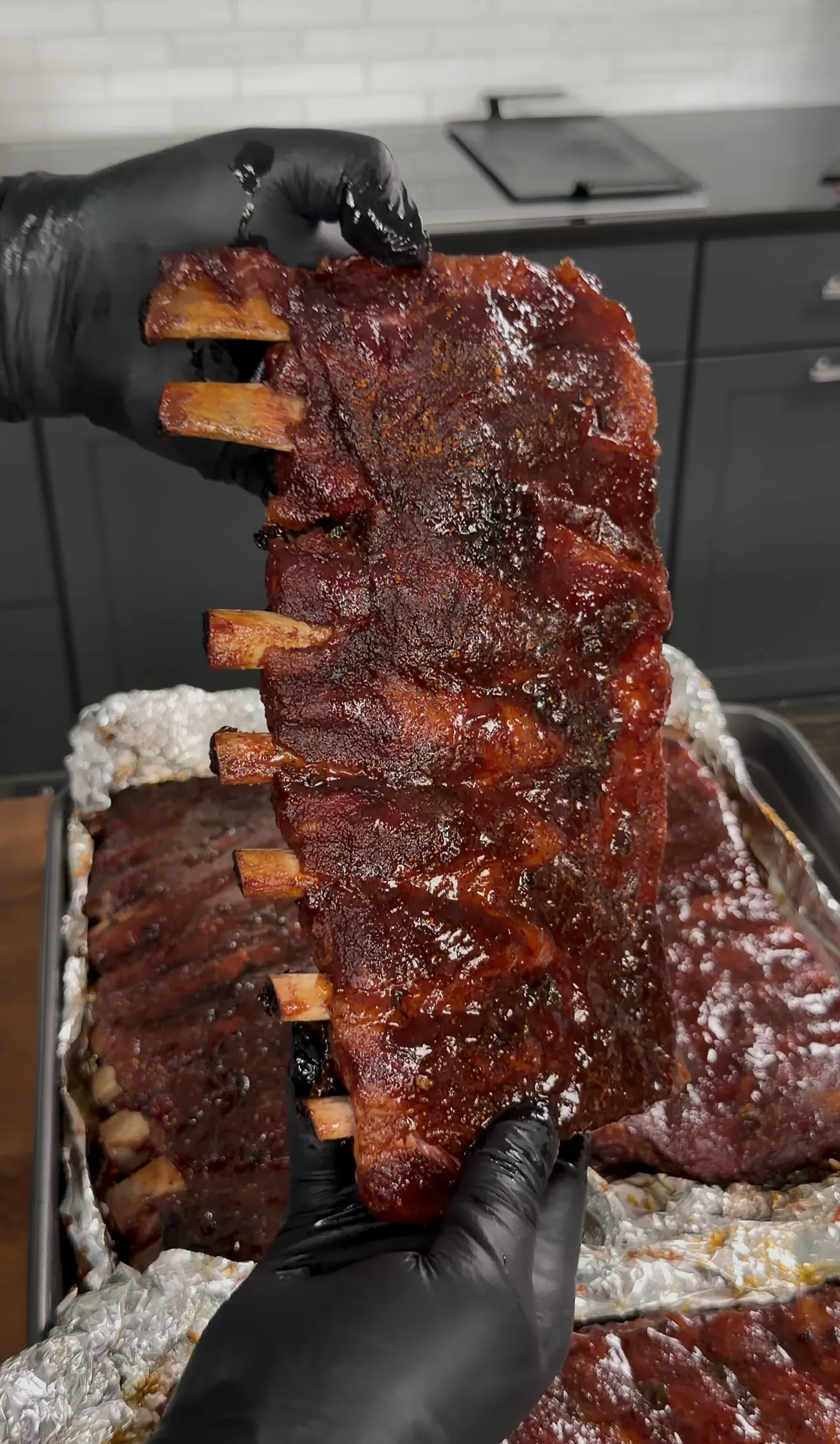
Honey Jalapeño BBQ Sauce Recipe
This sauce hits sweet upfront from the honey and BBQ base, then the jalapeño heat catches up on the back end. Making it from scratch takes 15 minutes and produces a sauce that is far better than anything from a bottle for this specific rib application.
Sauce Ingredients
Combine 1 cup of your favorite BBQ sauce (a sweet or neutral base works best), a quarter cup of honey, 2 fresh jalapeños finely diced, 1 tablespoon of apple cider vinegar, 1 teaspoon garlic powder, 1 teaspoon onion powder, and an optional half teaspoon of cayenne for extra heat. Bring to a simmer in a saucepan over medium heat and cook for 10 to 15 minutes. The sauce should thicken slightly as it reduces.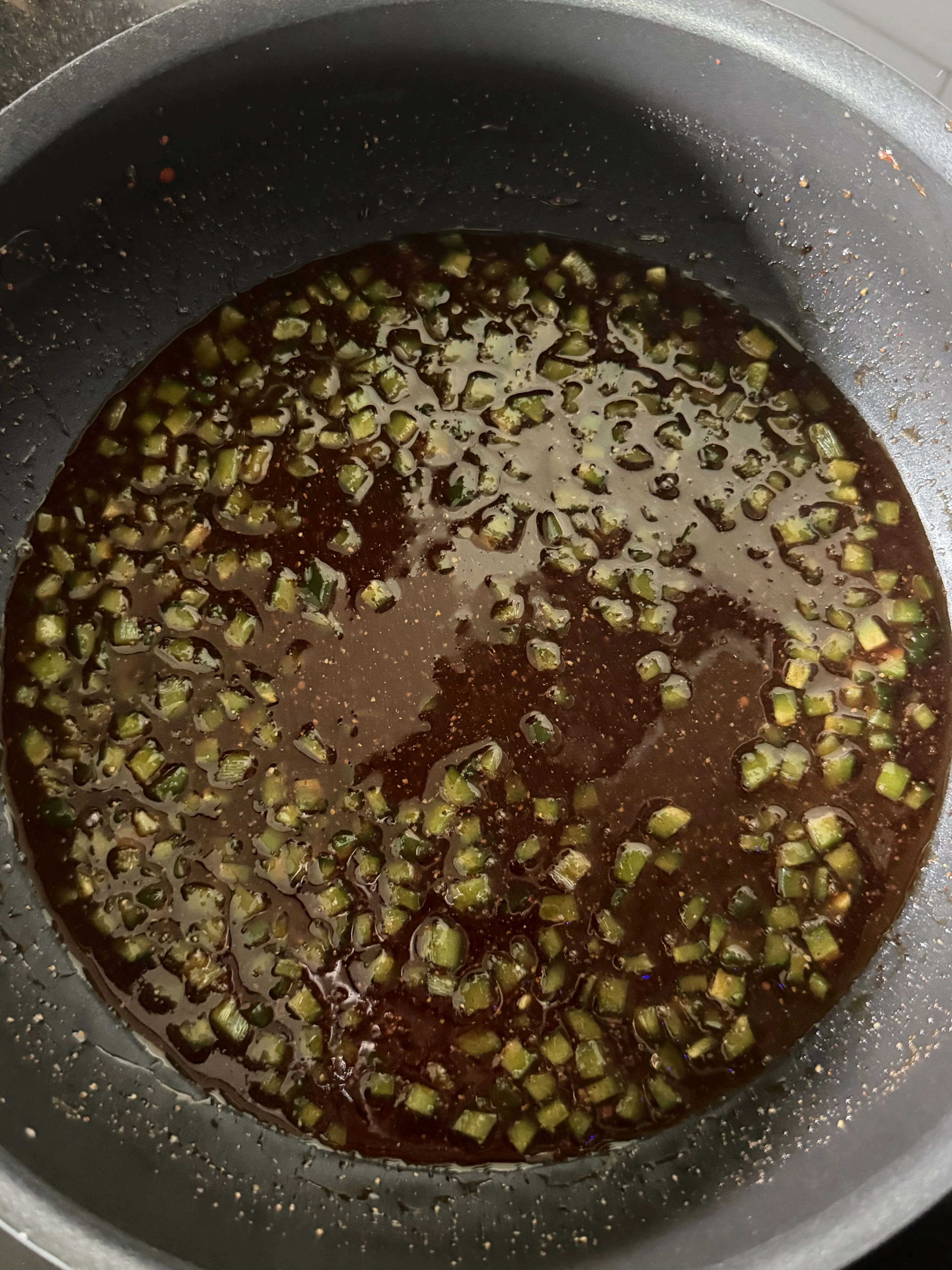
How Spicy Is This Sauce
With 2 fresh jalapeños and no cayenne, the heat level is moderate. You will feel the warmth but it will not overpower the sweetness or the smoke flavor. Adding the optional half teaspoon of cayenne pushes it into a noticeably spicier range. For a milder version, seed and devein the jalapeños before dicing, which removes most of the capsaicin.
Can You Make It Ahead
Yes. The sauce stores in the fridge for up to 2 weeks in an airtight container. The flavors actually improve after a day or two as the jalapeño heat mellows and integrates with the honey and vinegar.
How Do You Know When Smoked Ribs Are Done
Smoked ribs are done when they reach 200 to 205°F between the bones and pass the bend test. The rack should bend and slightly crack when lifted with tongs at the center.
The Bend Test
Pick up the rack with tongs at the center. If the rack bends about 90 degrees and the bark on top starts to crack, the ribs are ready. A stiff rack that does not bend needs more time. Conversely, a rack that flops completely and drops meat off the bone has gone too far. The bend test is a more reliable signal than internal temperature alone because temperature probes between bones can give inconsistent readings.
Internal Temperature
Insert an instant-read thermometer between two bones in the thickest part of the rack. You are looking for 200 to 205°F. Below 195°F, the connective tissue has not fully broken down and the ribs will be chewy. Above 210°F, the meat starts to dry out and fall apart.
Rest Before Slicing
Pull the ribs from the smoker and rest for 10 to 15 minutes before slicing. Cutting too early dumps moisture onto the cutting board. Resting lets the juices redistribute and the bark firms up slightly, which gives you cleaner, more presentable slices.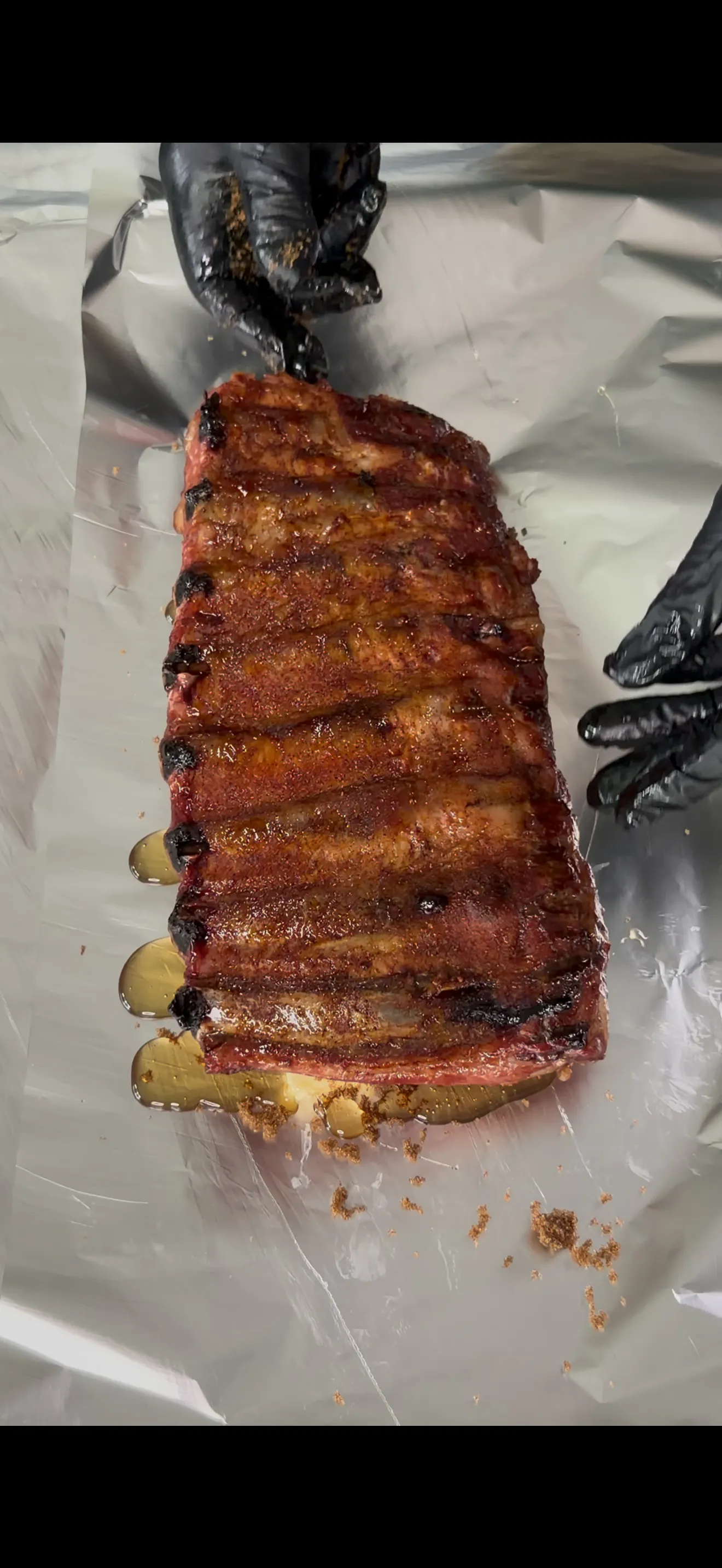
What Pellets Are Best for Smoking Ribs
Hickory and cherry are the two best pellet choices for ribs. Hickory produces a strong, traditional barbecue smoke that stands up to the sweet glaze. Cherry adds a milder, slightly sweet smoke with a reddish color that looks great on the bark. A 50/50 blend of hickory and cherry gives you the best of both. Apple pellets work as a lighter alternative if you prefer a more subtle smoke flavor.
Pellet Smoked Ribs
275°F Method · Honey Jalapeño Glaze · St. Louis Style
Smoke Sweet Heat 275°F
Prep20 min
Smoke3.5-4 hrs
Temp275°F
Serves4-6
~520 Calories Per Serving
Ingredients3 GROUPS
Ribs
- 2 racks St. Louis style ribs
- 2 tbsp yellow mustard (binder)
- 2 tbsp BBQ rub (balanced salt/sweet)
Honey Jalapeño Sauce
- 1 cup BBQ sauce (sweet/neutral base)
- ¼ cup honey
- 2 fresh jalapeños, finely diced
- 1 tbsp apple cider vinegar
- 1 tsp garlic powder
- 1 tsp onion powder
- Optional: ½ tsp cayenne
Wrap (Optional)
- 2 tbsp butter per rack
- 2 tbsp brown sugar
- 2 tbsp honey
- 2-3 tbsp apple juice
Grill Master Tip
I run ribs at 275°F, not 225°F. You get better fat render, better bark, and ribs that still have a clean bite without that mushy, falling-apart texture. The 225°F method works for brisket because it needs 12+ hours to break down, but ribs are a thinner cut. They do not need that much time, and the extra hours at low heat dry them out before the fat finishes rendering.
Grill NationPellet Smoked Ribs
Step-by-Step Instructions
Step 1: Prep the Ribs
Remove the membrane from the back of each rack. Trim any excess fat. Coat both sides with a thin layer of yellow mustard, then season evenly with BBQ rub. Let the ribs sit for 15 to 20 minutes while the pellet smoker preheats to 275°F.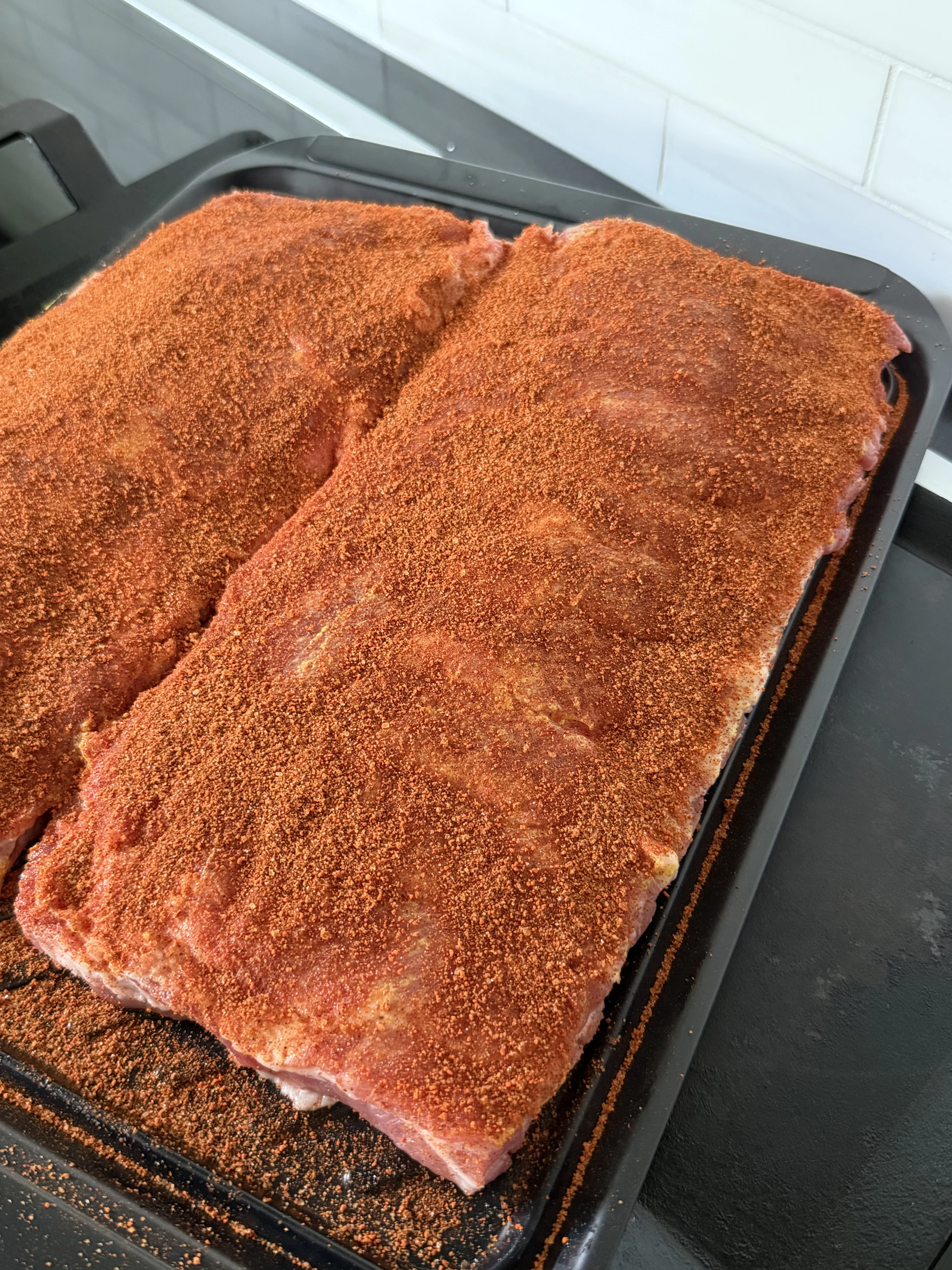
Step 2: Smoke Phase (1.5-2 Hours)
Place the ribs meat-side up on the pellet smoker at 275°F. Close the lid and smoke for 1.5 to 2 hours. Look for deep red color, bark forming on the surface, and slight bone pullback at the ends.
Step 3: Wrap Phase (1-1.5 Hours, Optional)
Lay the ribs meat-side down on aluminum foil. Add butter, brown sugar, honey, and apple juice per rack. Wrap tightly and return to the smoker for 1 to 1.5 hours until the rack feels tender when lifted with tongs.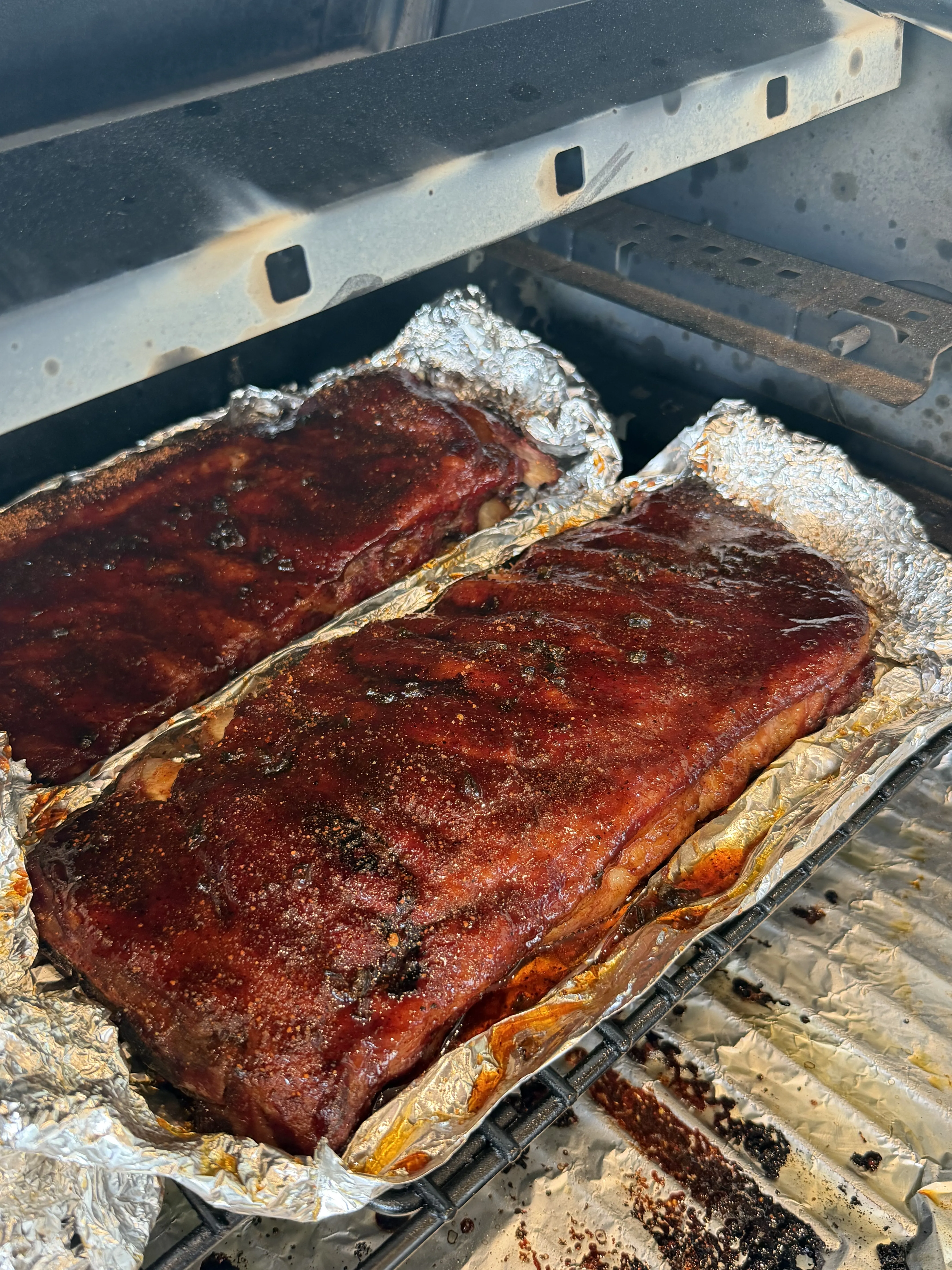
Step 4: Make the Honey Jalapeño BBQ Sauce
While the ribs are wrapped, combine all sauce ingredients in a saucepan. Simmer for 10 to 15 minutes over medium heat until slightly thickened.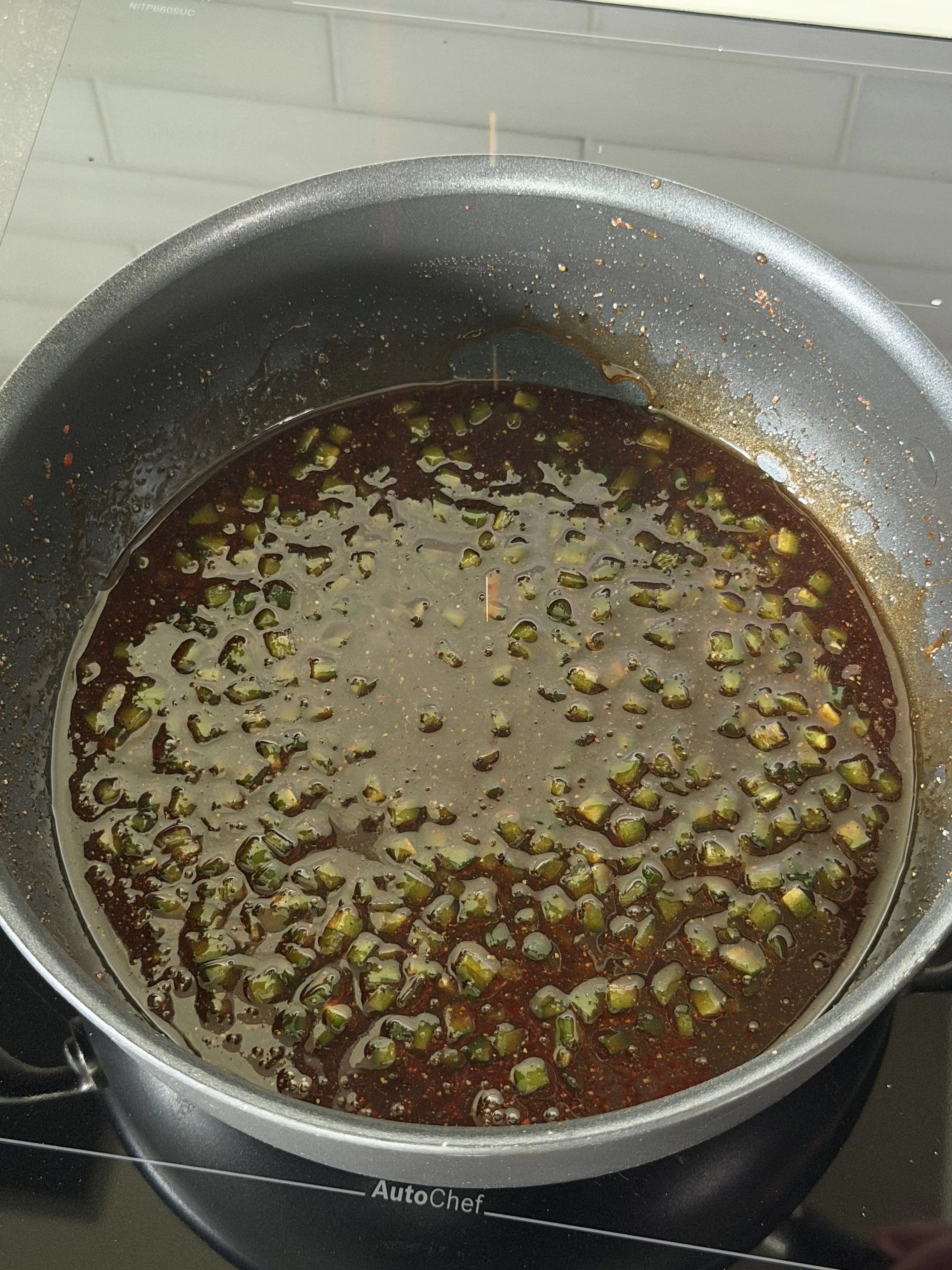
Step 5: Glaze and Set (20-30 Minutes)
Unwrap the ribs and place back on the smoker meat-side up. Brush generously with the Honey Jalapeño BBQ Sauce. Cook uncovered for 20 to 30 minutes until the sauce tacks up into a sticky glaze.
Step 6: Rest and Slice
Pull the ribs when they reach 200-205°F between the bones and pass the bend test. Rest for 10 to 15 minutes before slicing. Cutting early dumps moisture onto the board.
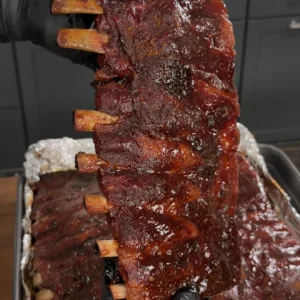
Pellet Smoked Ribs with Honey Jalapeño BBQ Sauce
Equipment
- Pellet Smoker
- Instant-Read Thermometer
- Aluminum Foil or Butcher Paper
- Tongs
- Basting Brush
- Small Saucepan
Ingredients
Ribs
- 2 racks St. Louis style ribs
- 2 tbsp yellow mustard binder
- 2 tbsp BBQ rub balanced salt/sweet
Wrap (Optional)
- 2 tbsp butter per rack
- 2 tbsp brown sugar
- 2 tbsp honey
- 2-3 tbsp apple juice
Honey Jalapeño BBQ Sauce
- 1 cup BBQ sauce sweet or neutral base
- 1/4 cup honey
- 2 fresh jalapeños finely diced
- 1 tbsp apple cider vinegar
- 1 tsp garlic powder
- 1 tsp onion powder
- 1/2 tsp cayenne optional, for extra heat
Instructions
- Remove membrane from back of ribs. Trim excess fat. Coat with yellow mustard and season with BBQ rub. Rest 15-20 minutes while smoker preheats to 275°F.
- Place ribs meat-side up on pellet smoker at 275°F. Smoke 1.5-2 hours until deep red color, bark forming, and slight bone pullback.
- Optional wrap: lay ribs meat-side down on foil. Add butter, brown sugar, honey, and apple juice. Wrap tight. Return to smoker 1-1.5 hours until tender.
- Make sauce: combine BBQ sauce, honey, diced jalapeños, ACV, garlic powder, onion powder, and optional cayenne. Simmer 10-15 minutes.
- Unwrap ribs. Place meat-side up on smoker. Brush with honey jalapeño sauce. Cook uncovered 20-30 minutes until sauce tacks up.
- Pull at 200-205°F between bones when rack passes bend test. Rest 10-15 minutes before slicing.