Spatchcocked Smoked Turkey with Honey Butter
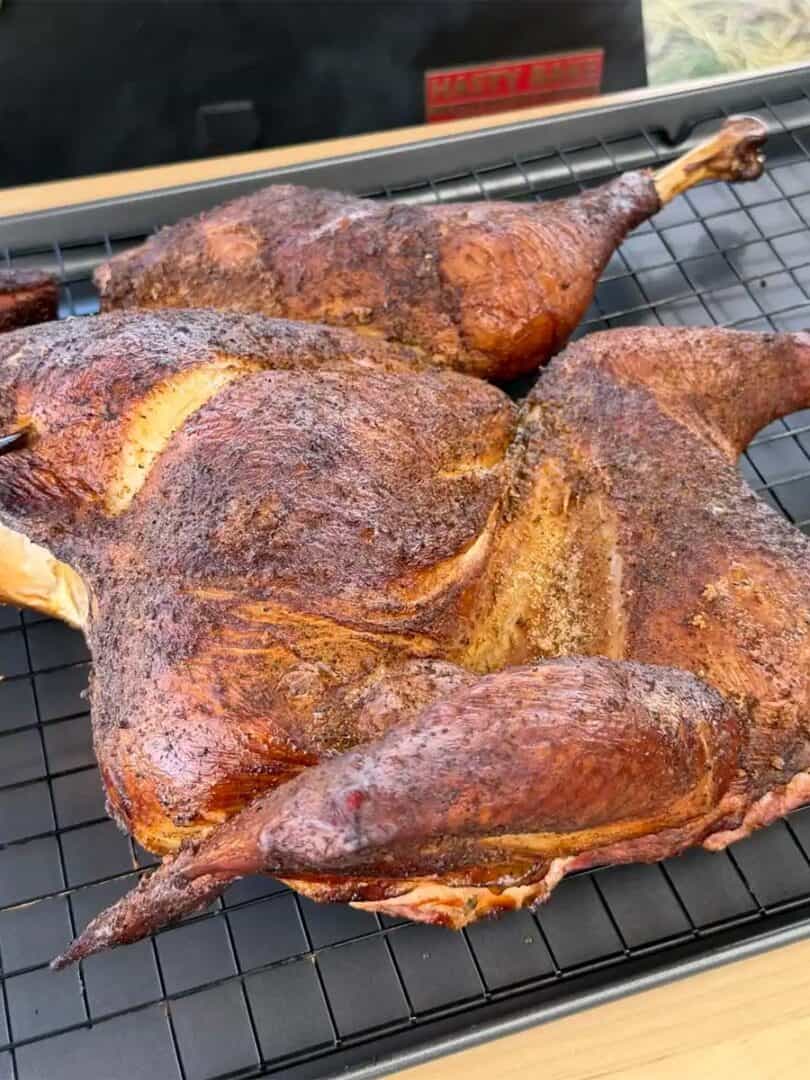
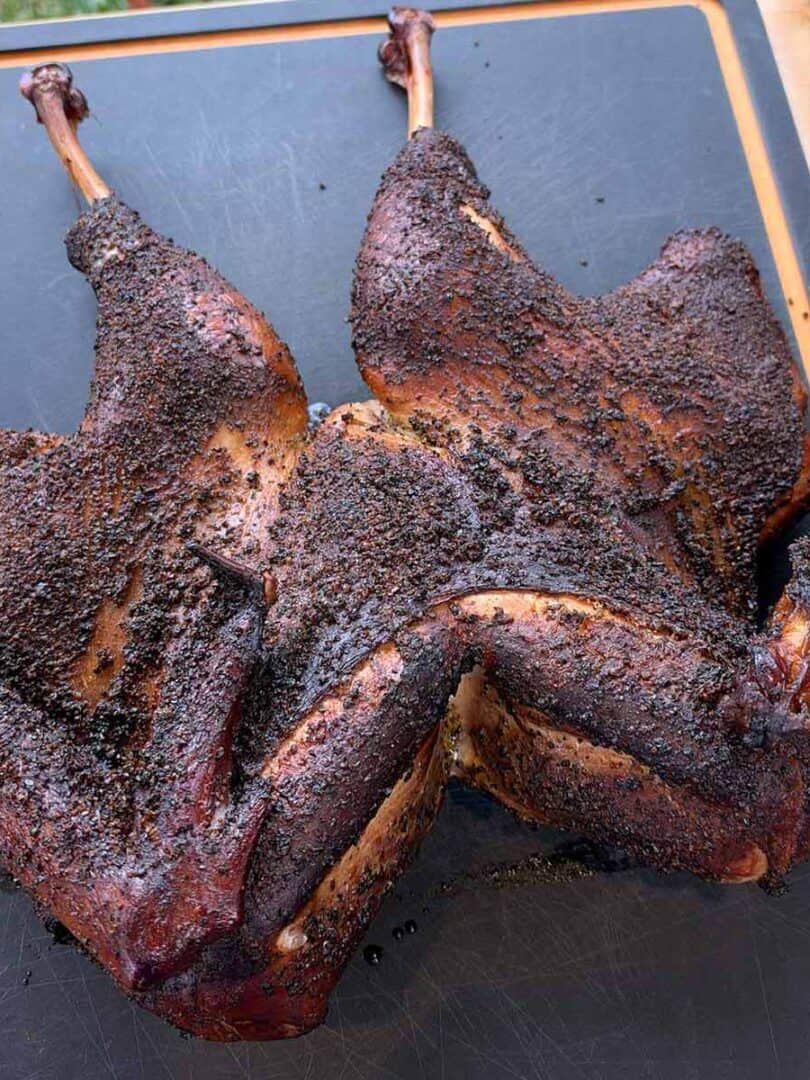
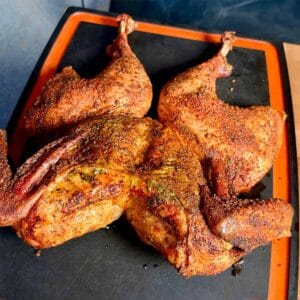
This spatchcocked smoked turkey with honey butter is the perfect combination of moist, flavorful turkey, comforting herb flavors, and the sweet tang of a homemade honey butter glaze. With my tested method and tips, you’ll be able to prep and smoke an incredible turkey for Thanksgiving. Your family and friends might be asking you to make this again next year!
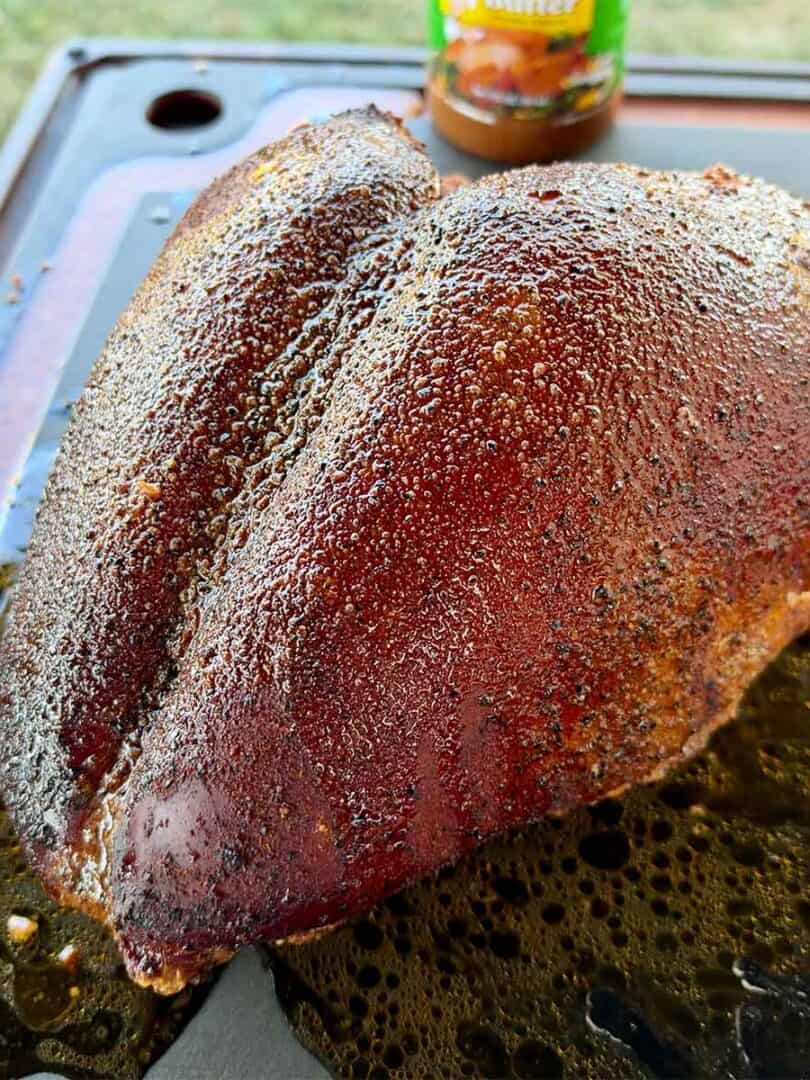
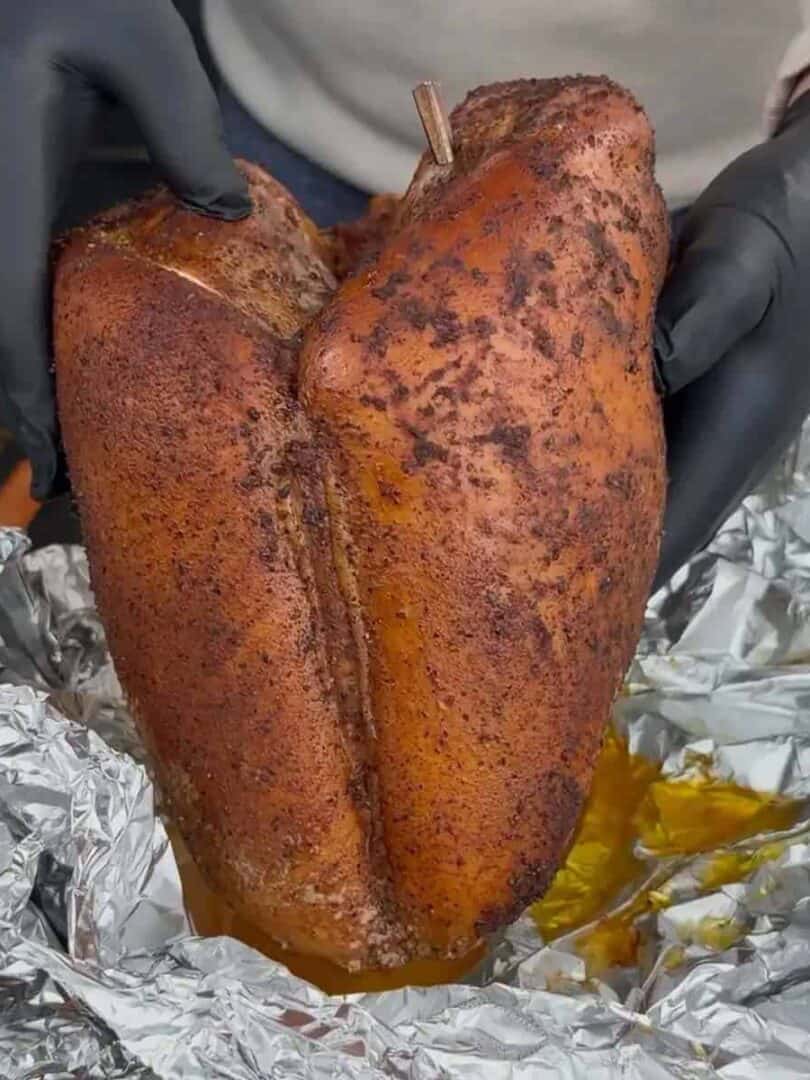
Looking for more turkey recipes? You won’t want to miss these recipes for smoked bone-in turkey breast with honey butter and my maple bourbon pellet smoked turkey.
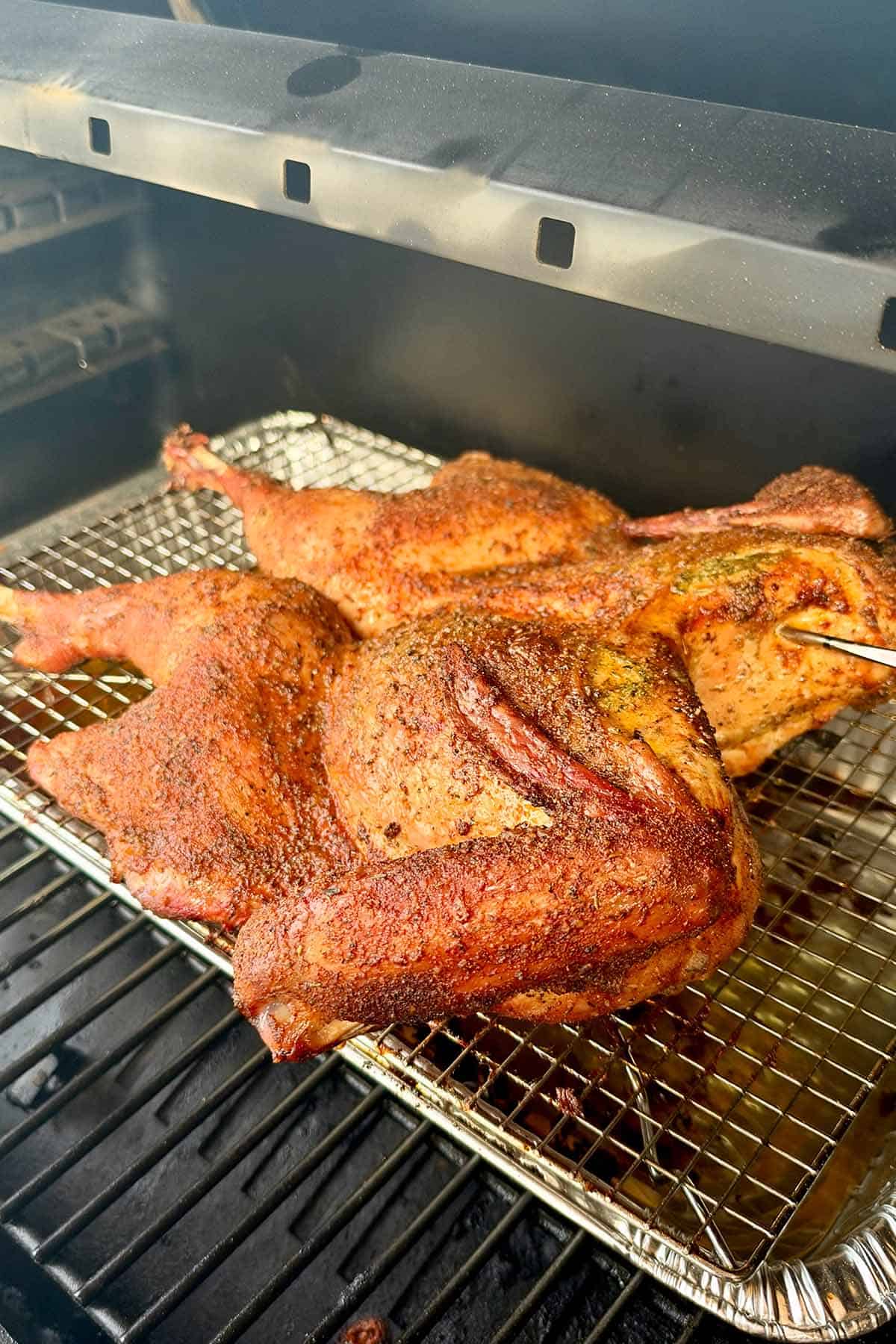
Quick Look: Spatchcocked Smoked Turkey with Honey Butter
- What It Is: This spatchcocked smoked turkey has a savory garlic and herb flavor with a buttery honey finish with hints of tang. The meat itself has a mild smoke flavor and is moist.
- Why Make THIS Version? The turkey is seasoned on both sides and air-dried in the fridge for crispy skin. It’s seasoned with a herb butter and glazed with honey butter at the end of the smoke.
- Key Ingredients: whole turkey, butter, honey, fresh herbs, Dijon mustard, apple cider vinegar, Worcestershire sauce, and lemon zest.
- Dietary Info: 100% carnivore-approved!
- Prep Time: 40 minutes.
- Air Drying Time: 12 to 24 hours in the fridge, uncovered.
- Smoking Time: 3-4 hours. Exact times will vary.
- Rest Time: 20-30 minutes.
- Total Time: 16 hours 10 minutes to 29 hours 10 minutes.
- Pairs Well With: Serve with cozy side dishes like Smoked No Bake Mac and Cheese, Smoked Bacon Wrapped Onion Bombs, or Street Corn Deviled Eggs.
SUMMARIZE AND SAVE THIS POST ON
Why This Recipe Works
- Seasoned on Both Sides: Seasoning both sides of the turkey flavors the exposed meat underneath as well as on the skin.
- Drying the Skin for Crispier Results: Overnight air-drying removes surface moisture before cooking.
- Garlic Herb Butter for Flavor: Spreading herb butter beneath the skin puts garlic and herbs directly against the breast meat.
- Cooked on a Rack for Good Airflow: Smoking the turkey on a rack over a drip pan keeps the turkey elevated for good airflow while collecting butter and juices.
- Glazed at the End of Cooking: Late glazing builds the honey finish with a lower risk of burning.
Key Ingredients
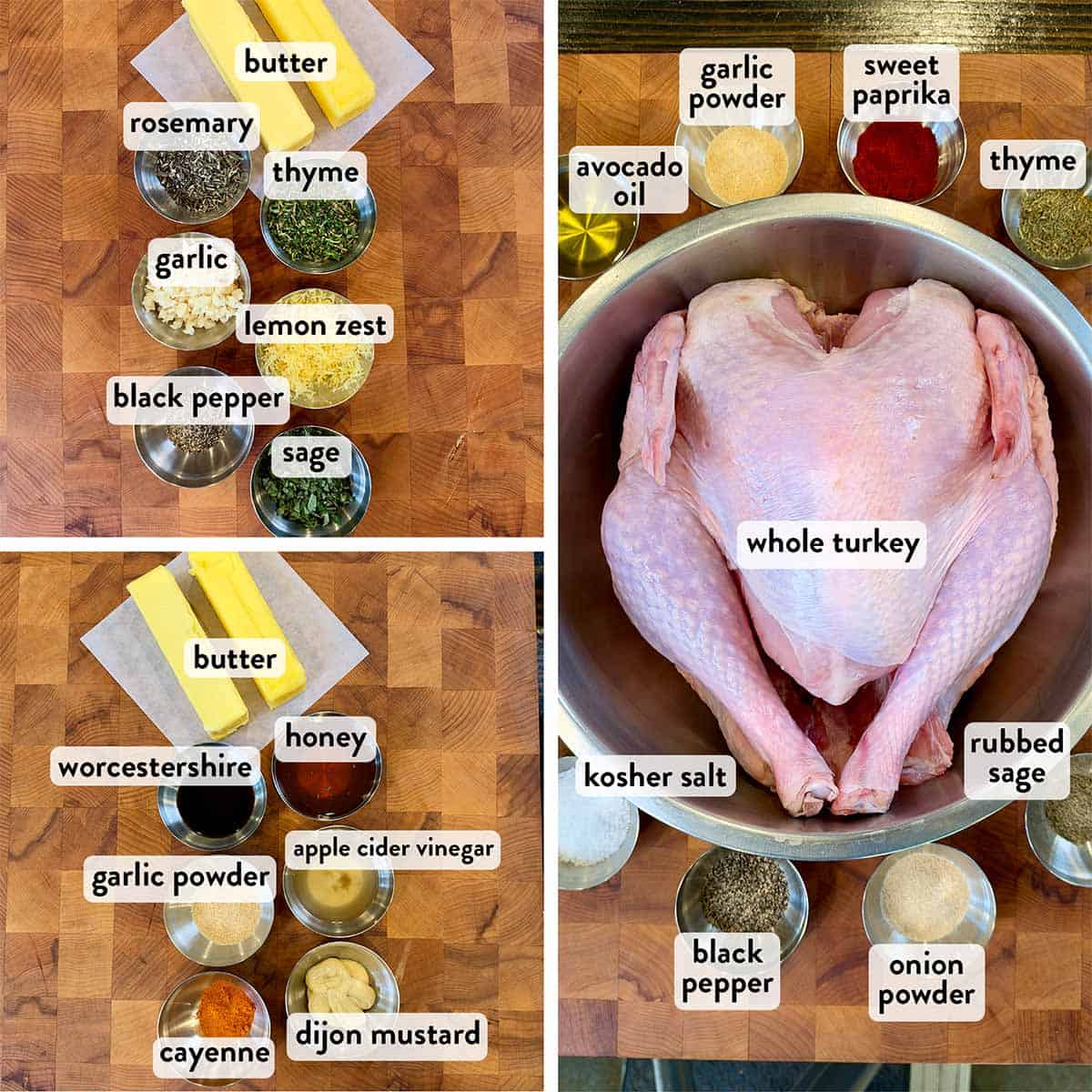
- Turkey: Use a 12-14 pound turkey that’s fully thawed. Check the label before seasoning. Enhanced, injected, self-basting, kosher, or previously brined turkeys already contain added salt, so don’t add salt to the rub.
- Unsalted Butter: Putting butter on the skin provides richness, while using unsalted butter allows you to control the salt levels.
- Honey: This gives the glaze its signature sweetness and glossy finish.
- Dijon and Apple Cider Vinegar: These two ingredients add tang to balance the sweetness and richness of the honey and butter.
- Lemon Zest: Brightens the garlic-herb butter without adding much liquid beneath the skin.
See recipe card for full information on ingredients and quantities.
Substitutions or Additions
- Swapping Fresh Herbs for Dried in the Butter: Replace the fresh herbs with 1 teaspoon dried thyme, ½ teaspoon rubbed sage, and ¼ teaspoon crushed dried rosemary.
- Want to Use a Commercial Poultry Rub? Substitute the commercial blend for the homemade rub. Avoid using a salted rub if you’re using a brined turkey.
- Want a Less Sweet Glaze? Reduce the honey to ⅓ cup.
- Don’t Have a Charcoal Smoker? Smoke the turkey at 300°F over indirect heat on a pellet smoker. Use apple or pecan pellets.
- Don’t Want to Spatchcock? You can use this same method, but realize that the cooking time will be up to 30% longer. Always cook turkey to a minimum internal temperature of 165°F in the thickest part of the breast and thighs.
How to Make Spatchcocked Smoked Turkey with Honey Butter
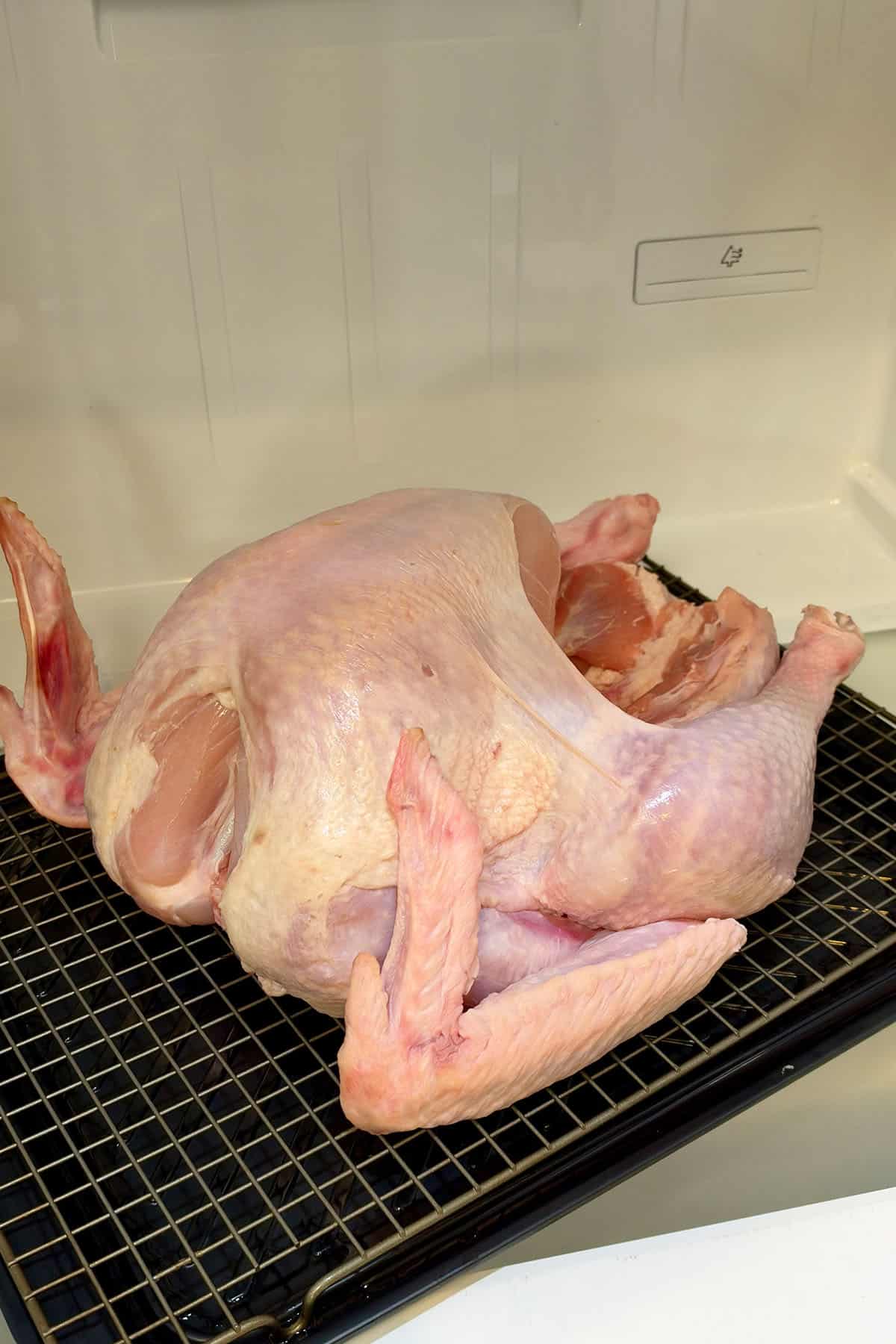
- Pat the thawed turkey dry with paper towels. Place the turkey on a wire rack set over a rimmed sheet pan and let the turkey air-dry in the fridge for 12-24 hours. This ensures the skin is crispy when cooked.
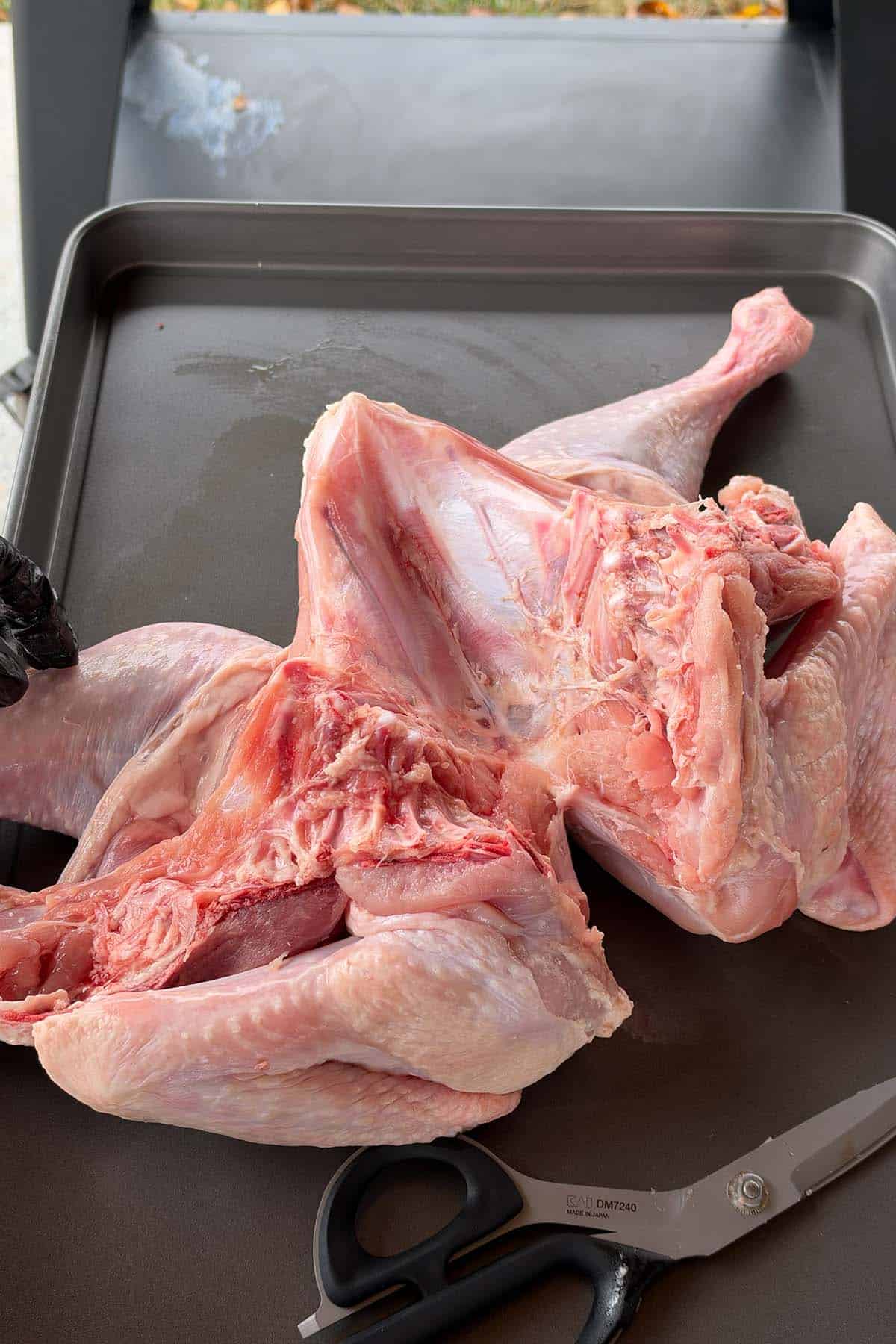
- To spatchcock, use strong kitchen shears to cut down both sides of the backbone, then remove it. Flip the turkey over and press down on the breastbone to flatten. Tuck in the wing tips.
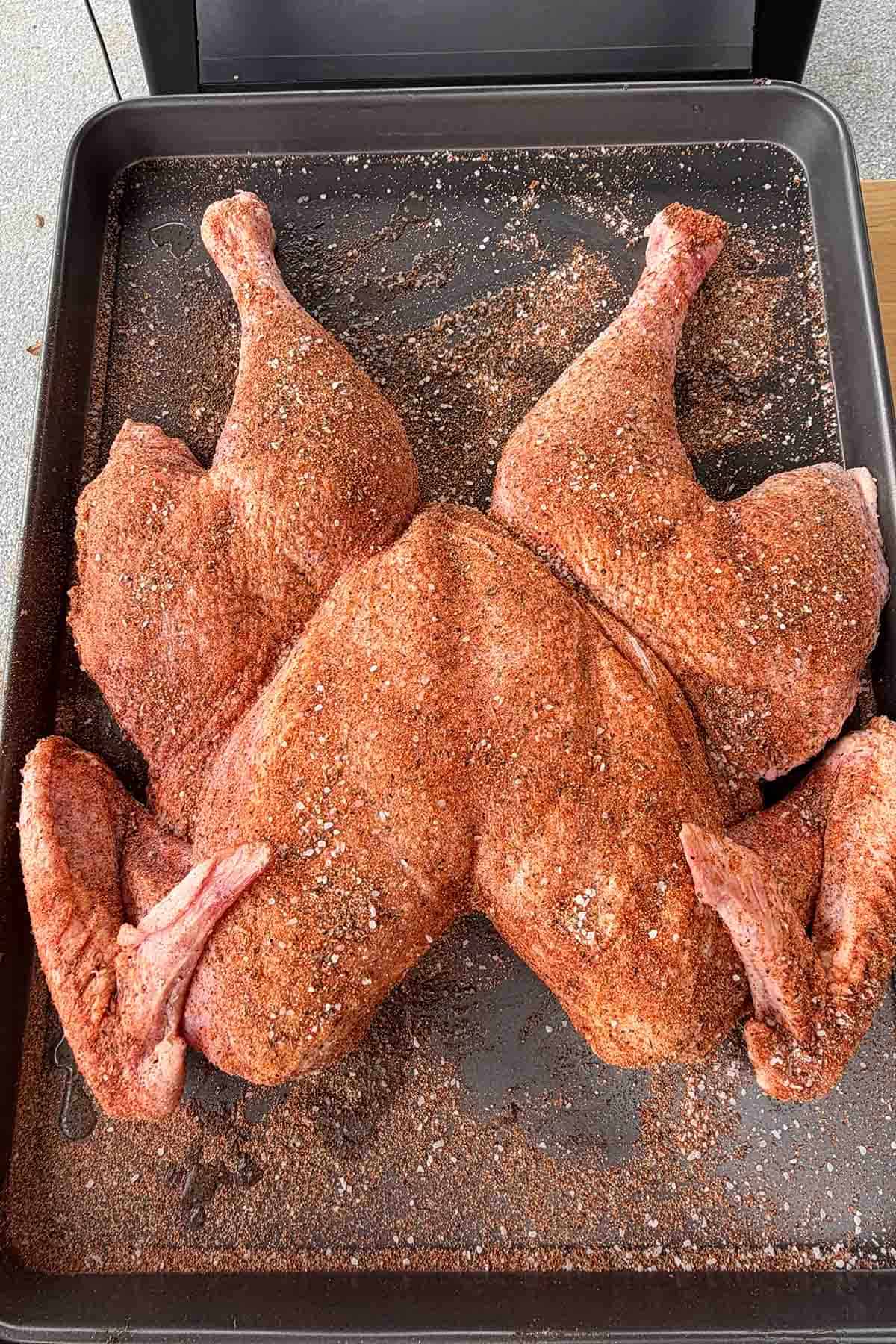
- Mix the spices together for the rub, then sprinkle the mixture generously on the skin both on top and underneath the turkey.
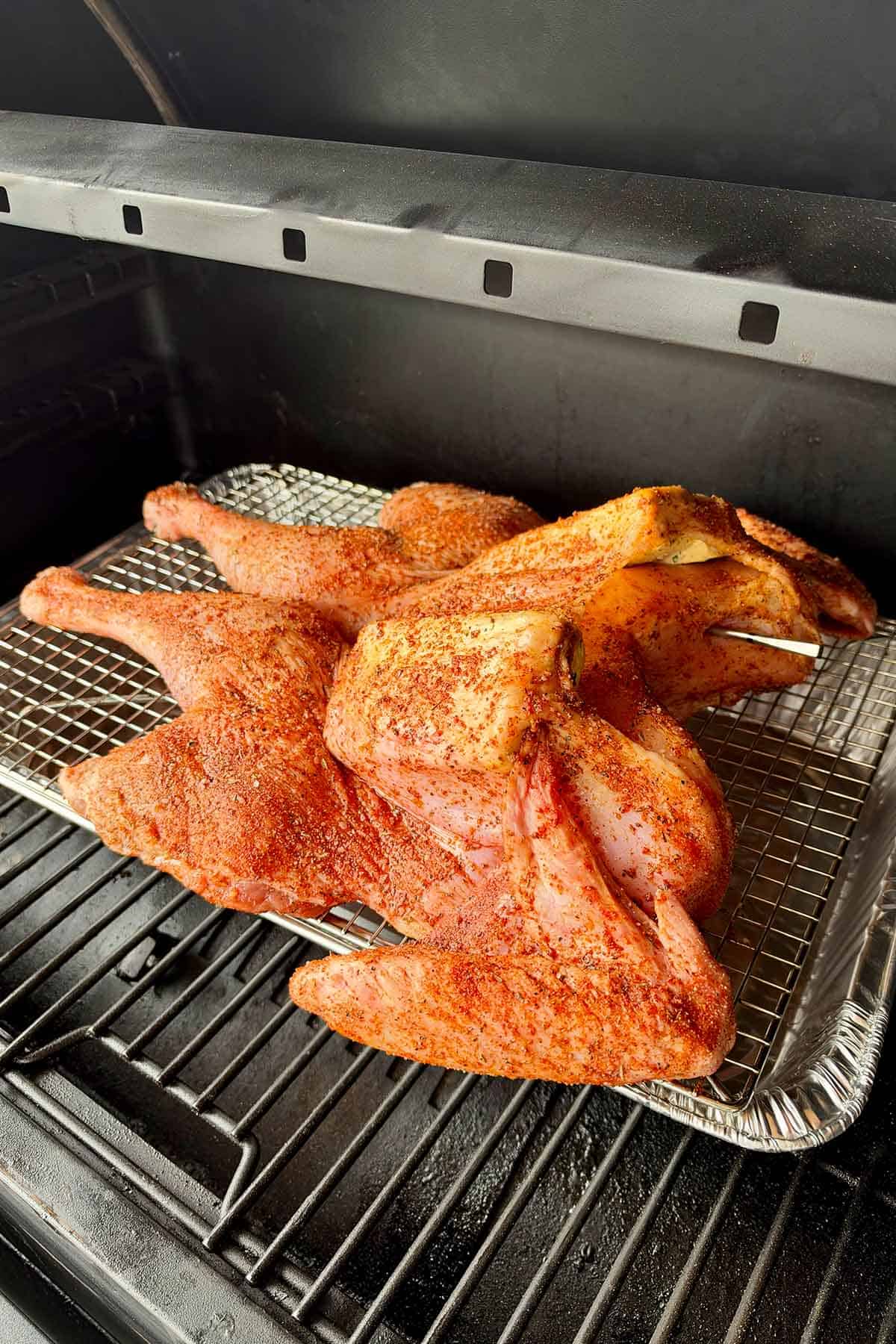
- Mix together the garlic herb butter, then loosen the breast skin and spread the butter mixture under the skin. Massage it on the outside to help spread the butter under the skin.
Place a leave-in thermometer probe in the deepest part of the breast and place the turkey on a wire rack set over an aluminum pan. Put on a preheated 300°F smoker, close the lid, and smoke.
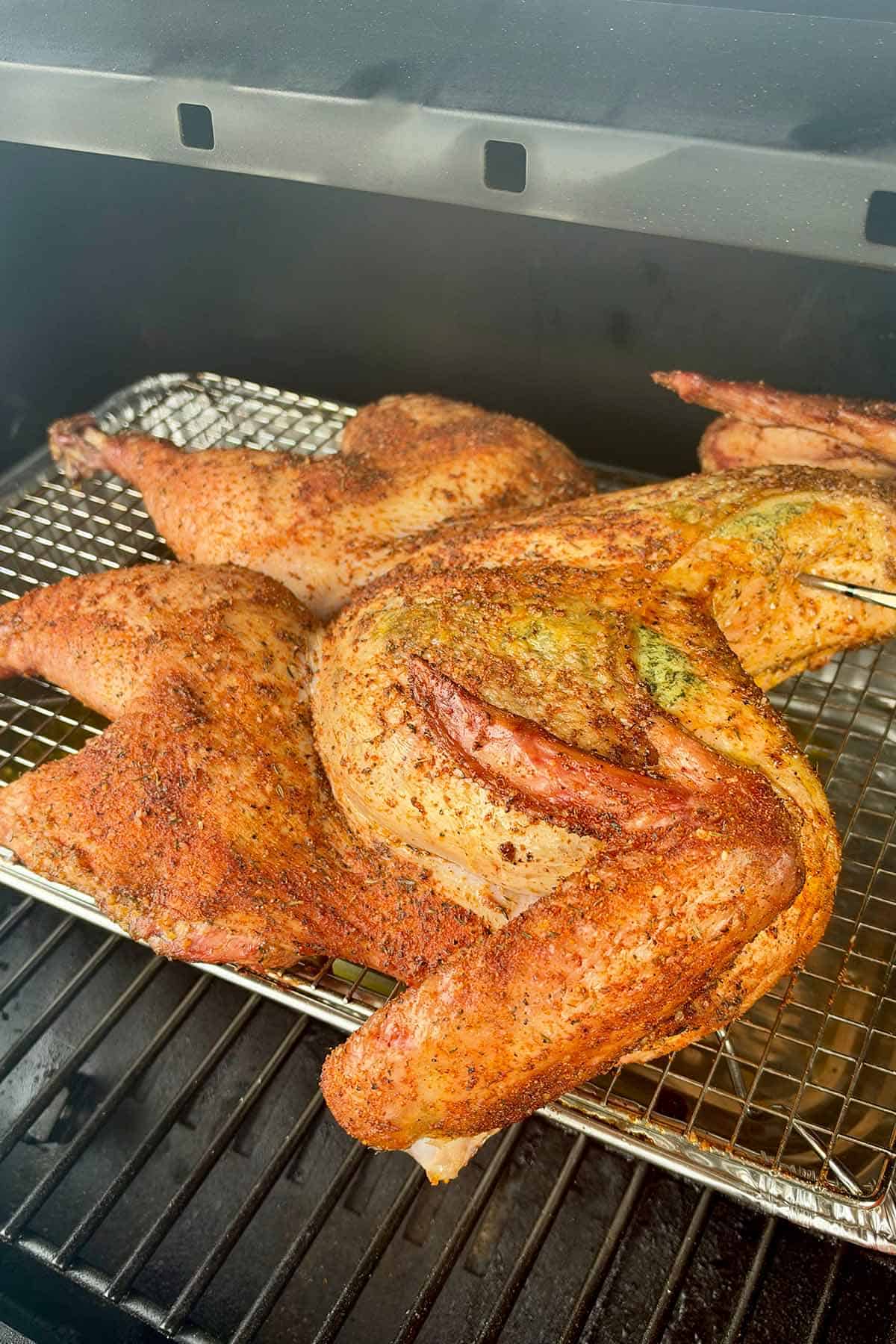
- Check on the turkey’s color and interior temperature after 90 minutes of smoking.
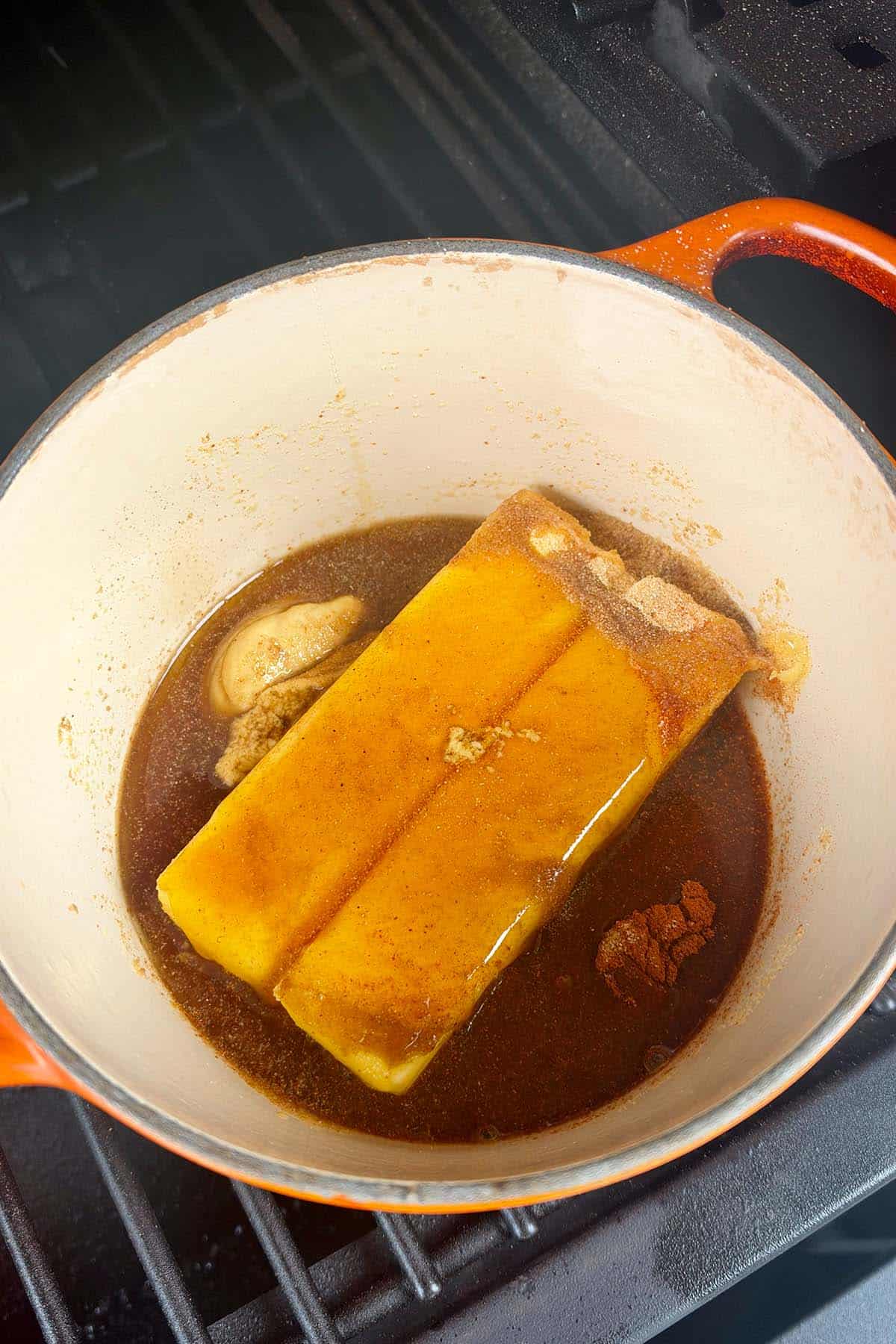
- While the turkey cooks, combine the glaze ingredients in a saucepan, whisking until the mixture is smooth.
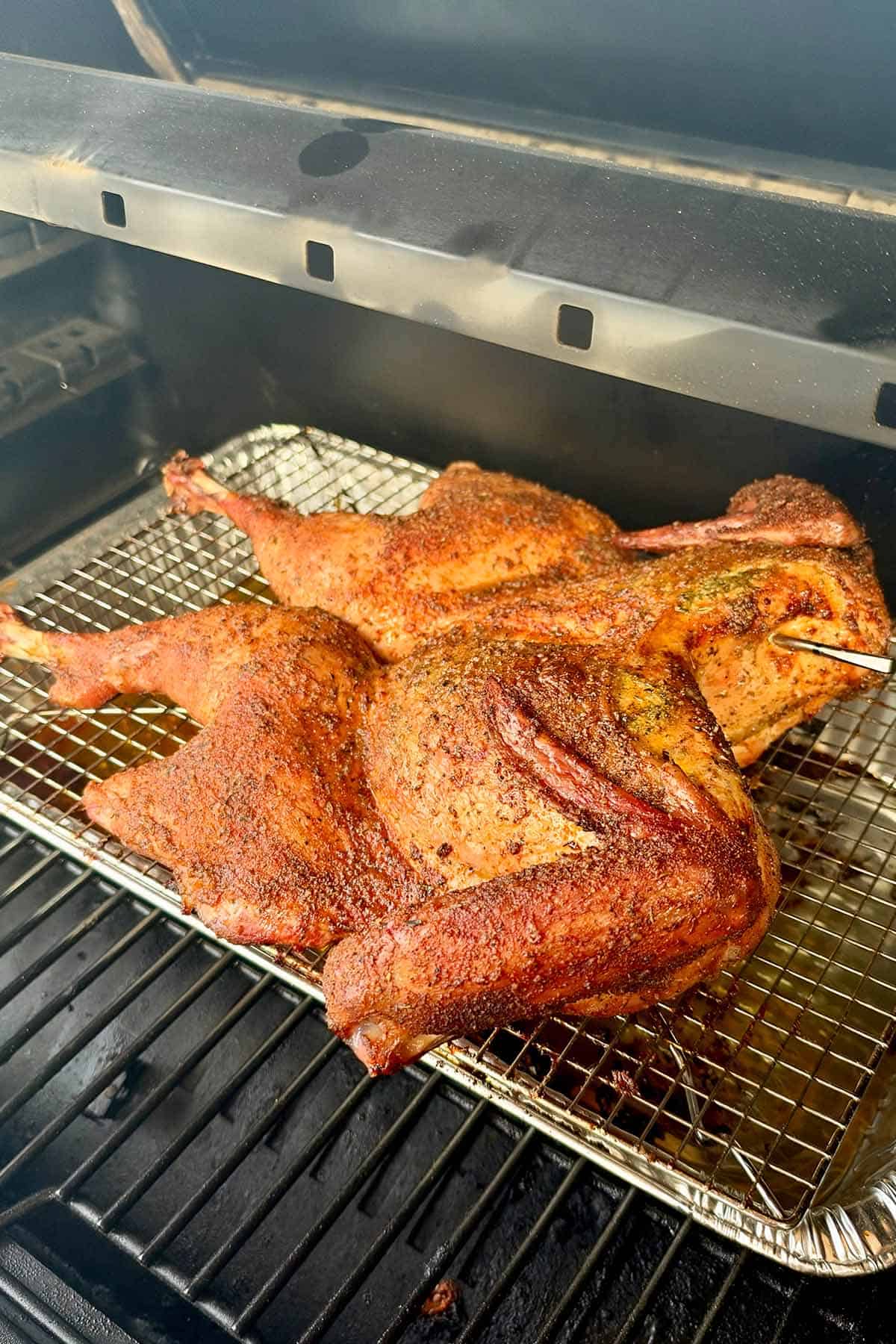
- Once the breast temperature reaches 145-150°F and the skin has a good color, brush on a thin layer of glaze. Keep smoking, then apply a second coat after 10-15 minutes.
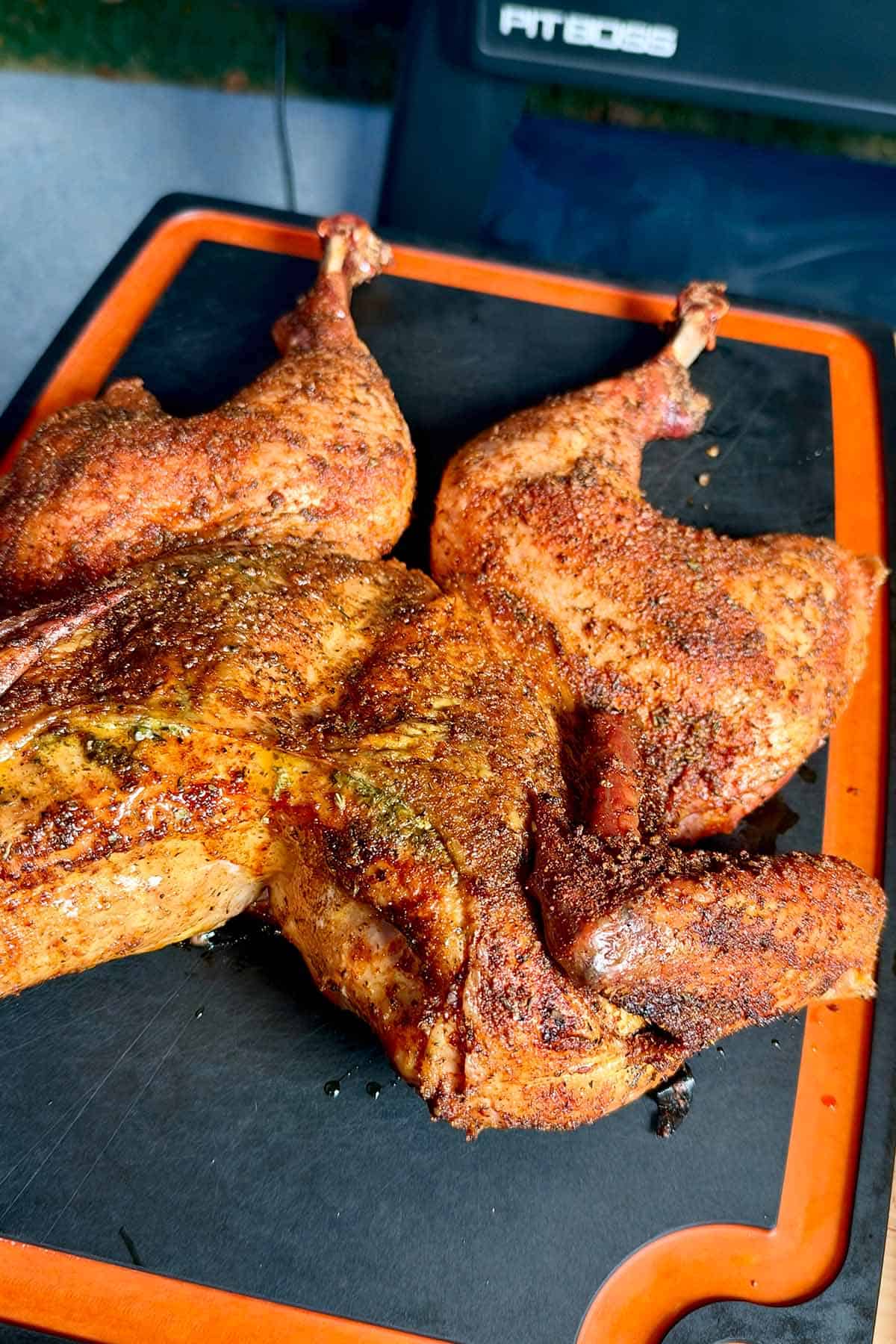
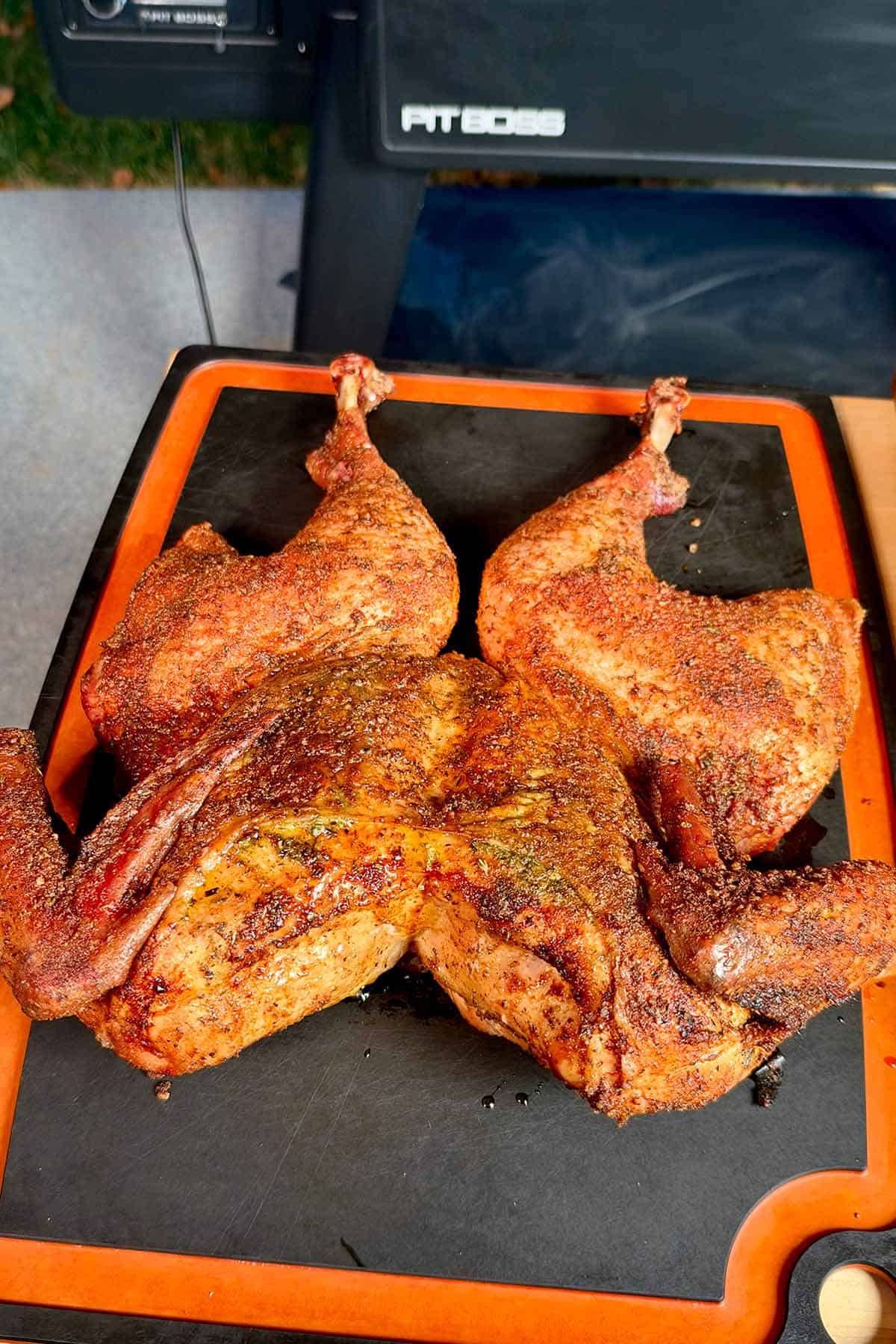
- Once the turkey reaches 165°F in the thickest parts of the breast, thighs, and wings, remove the turkey from the heat. Let it rest for 30 minutes, then rest and serve. Serve with accordion potatoes, chili loaded potato skins, or smoked cowboy baked beans.
James’ Grill Master Pro Tips
- To thaw, place the frozen turkey on a rimmed tray and refrigerate on the bottom shelf at 40°F or below. Allow 24 hours for every 4-5 pounds. Cook within the 1-2 days after thawing. To thaw faster, submerge the turkey in cold tap water, and change the water every 30 minutes. Allow about 30 minutes per pound. Skip the air-drying step and cook immediately.
- Check the turkey label before seasoning. If you’re using a brined turkey, omit the salt in the spice rub.
- Ensure the turkey has good airflow around it as it smokes. For example, using a large drip pan can change heat circulation and cooking time.
- Begin glazing when the breast reaches 145-150°F internally. Use thin layers of glaze and be sure to avoid letting the glaze pool anywhere. Watch it closely, as honey can darken excessively with prolonged heat.
- Cook collected drippings thoroughly before tasting or serving.
Spatchcocked Smoked Turkey with Honey Butter FAQs
Spatchcocking (or butterflying) the turkey flattens it, exposing more surface area to the heat, and it makes the skin easier to season and glaze evenly. This technique also cuts down on the cook time by as much as 30%!
Yes, letting the skin air dry before smoking the turkey is the key step that ensures crispy skin. To do so safely, refrigerate the turkey uncovered on a rack after spatchcocking and seasoning. On the day of cooking, add the herb butter and oil on the skin and then cook.
Smoking a turkey on a rack keeps it elevated, while the pan collects melted butter and turkey drippings. Make sure the setup is stable and leaves room for airflow. This not only helps the turkey cook evenly, but it also helps reduce flare-ups and allows you to collect flavorful drippings for gravy if desired.
Carve any leftover meat into smaller portions and refrigerate in airtight containers within 2 hours of cooking. Use up leftover turkey within 3-4 days, or freeze for up to 3 months. Reheat covered with a little broth until the meat reaches 165°F.
Serving Suggestions
This smoked turkey with honey butter tastes great with any of your favorite Thanksgiving side dishes. Some of my favorite sides include loaded chicken bacon ranch baked potatoes, elote jalapeño poppers, or Mexican street corn pasta salad. Use leftover meat in my Turkey Bacon Ranch Sliders.
Side Dish Recipes to Serve with Smoked Turkey
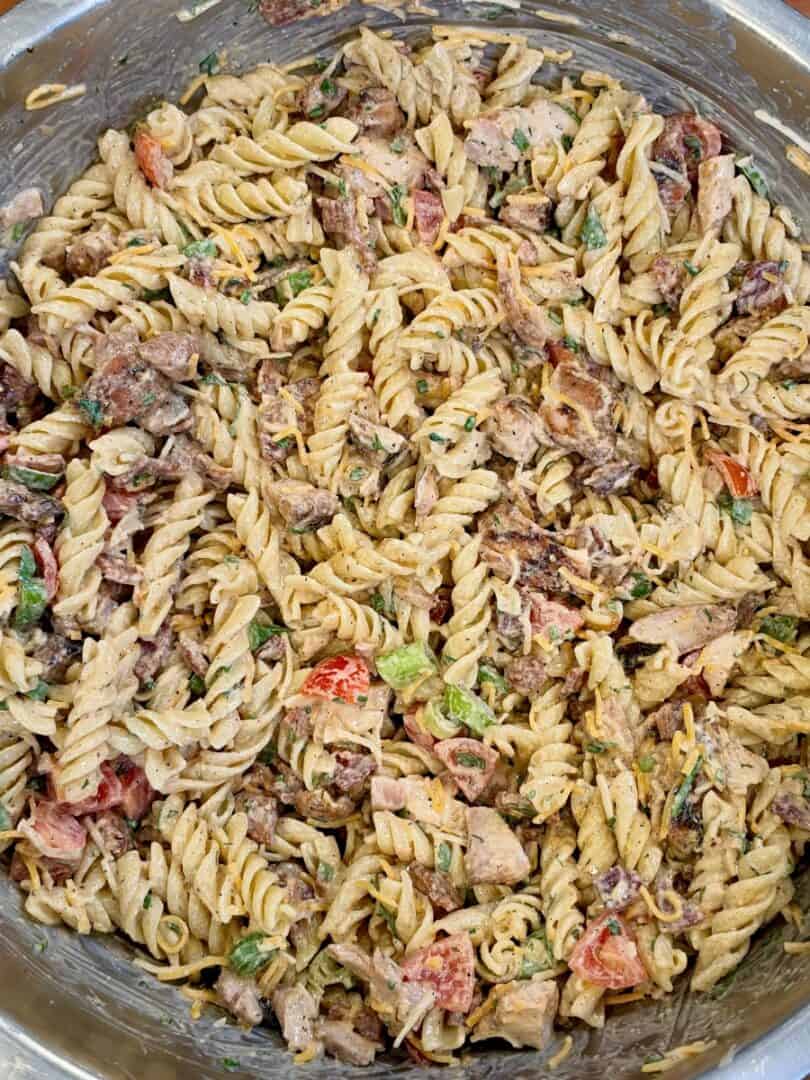
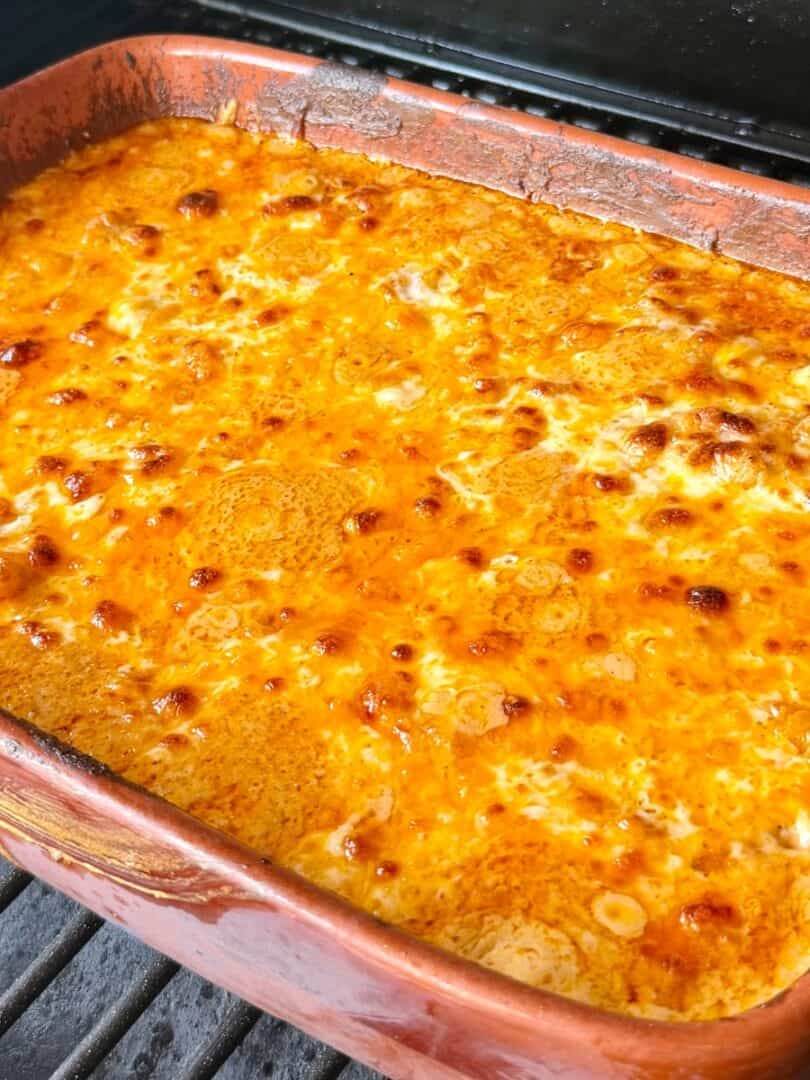
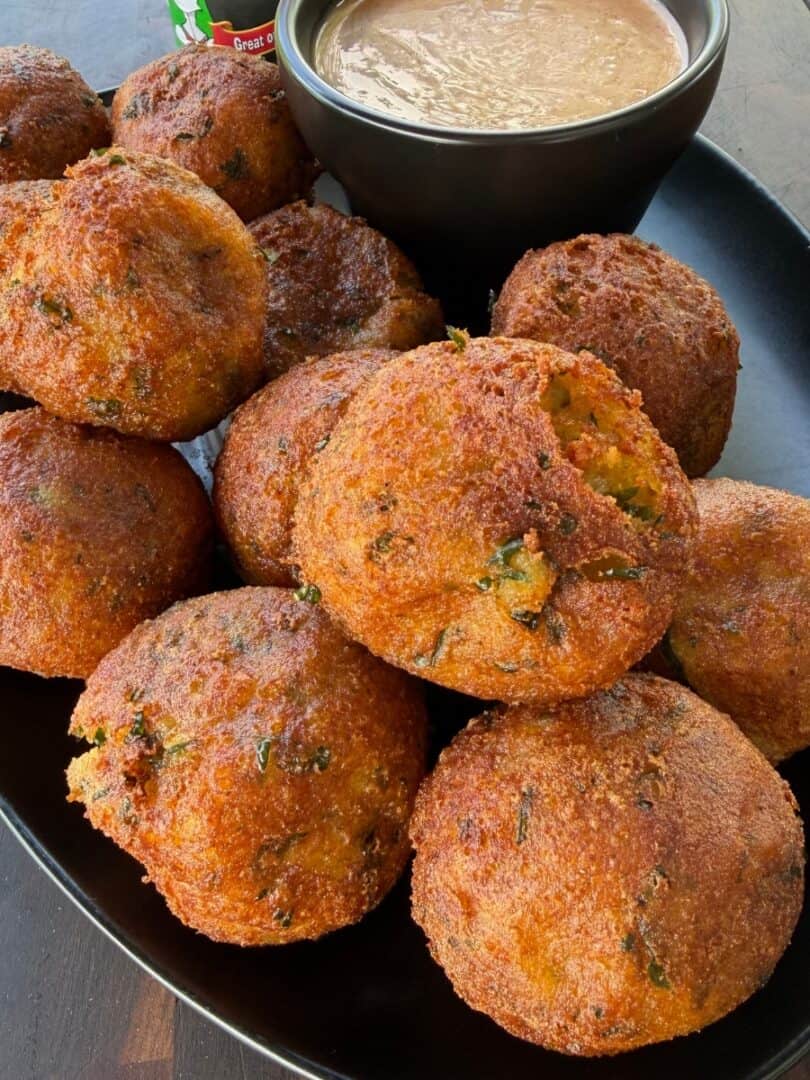
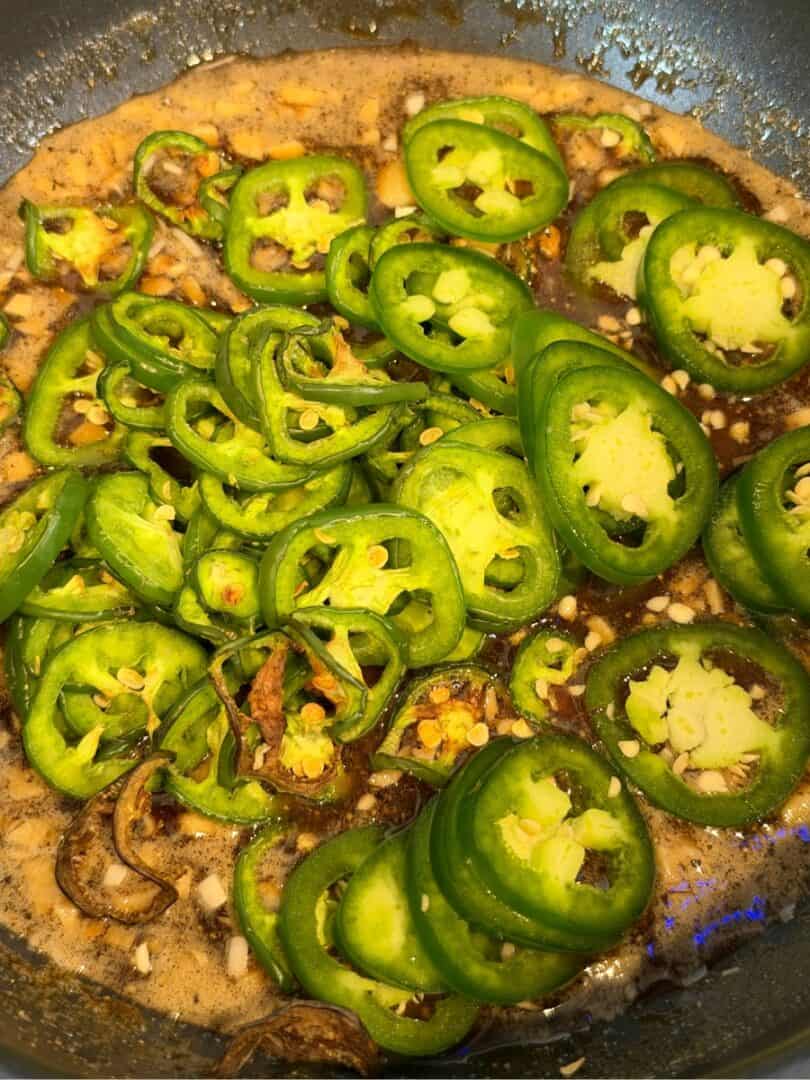
If you make this recipe, I want to hear about it! Please leave a comment and ★★★★★ star rating below. That helps everyone know the favorites! Also, please tag me on Facebook, so I can see your creations. Happy Grilling!
Spatchcocked Smoked Turkey with Honey Butter
Equipment
- Smoker or grill set up for indirect cooking
- kitchen or poultry shears
- leave-in probe thermometer
- Instant-Read Thermometer
- Basting Brush
Ingredients
For the Turkey
- 1 whole turkey 12-14 pounds, fully thawed
- 1 tablespoon avocado oil for the skin before smoking
For the Savory Turkey Rub
- 18 grams kosher salt approximately 2 tablespoons Diamond Crystal or 3¾ teaspoons Morton kosher salt
- 1½ tablespoons coarse black pepper
- 1 tablespoon sweet paprika
- 1 tablespoon garlic powder
- 1 tablespoon onion powder
- 2 teaspoons dried thyme
- 1 teaspoon rubbed sage
- ¼ teaspoon cayenne pepper optional
For the Garlic Herb Butter
- ½ cup unsalted butter softened
- 4 cloves fresh garlic finely grated or mashed into a paste
- 1 tablespoon finely chopped fresh thyme
- 2 teaspoons finely chopped fresh sage
- 1 teaspoon finely chopped fresh rosemary
- 1 teaspoon finely grated lemon zest
- ½ teaspoon black pepper
For the Honey Butter Glaze (Makes 1 Cup)
- ½ cup honey
- ½ cup unsalted butter cut into pieces
- 1 tablespoon Dijon mustard
- 1 tablespoon apple cider vinegar
- 1 teaspoon Worcestershire sauce
- ½ teaspoon garlic powder
- ¼ teaspoon cayenne pepper optional
Instructions
Prepping the Turkey
- Remove the packaging, neck, and giblets. Check both the main cavity and neck cavity for ice; ensure it's fully thawed. Pat thoroughly dry with paper towels. Do not rinse. Trim off any loose skin and excess fat around the neck and tail.
- Place the turkey on a wire rack set over a rimmed sheet pan and let the turkey air-dry in the fridge for 12-24 hours. This ensures the skin is crispy when cooked.
- Place the turkey breast-side down on a cutting board. Using sturdy kitchen shears, cut along both sides of the backbone and remove it. Flip breast-side up and press firmly on the breastbone until the turkey lies flat. Tuck the wing tips underneath.
Making the Rub & Seasoning the Turkey
- Mix the spices for the rub together until they're combined. (If you're using a brined turkey, omit the salt from the rub.)
- Lightly coat the exterior of the turkey with 1 tablespoon of avocado oil to help the rub stick. Season the underside of the turkey with the rub, then flip it skin-side up and season the breasts, legs, and wings.
Making the Garlic Herb Butter
- Mix all garlic-herb butter ingredients until evenly combined.
- Starting near the cavity opening, gently slide your hand between the breast skin and meat. Slowly work your fingers across each breast to loosen the skin. Spread most of the butter directly over the breast meat beneath the skin. Work the remainder beneath accessible thigh skin without forcing it. Gently massage the outside of the skin to distribute the butter evenly.
- Keep the turkey refrigerated until the smoker is ready.
Smoking the Turkey
- Preheat the smoker to 300°F with indirect heat, using apple or pecan wood. Place a disposable aluminum pan on the smoker grate, then put a sturdy, oven-safe wire cooking rack across the top, ensuring it supports the turkey without bending or slipping. Support the rack on the smoker grate if needed, and leave room around the pan for heat and smoke to circulate.
- Place the turkey skin-side up on the rack above the aluminum pan. (Keep the meat elevated out of the collected liquid.) Position the legs toward the hotter portion of the smoker if possible, then insert a probe into the thickest part of the breast without touching bone.
- Close the lid and smoke. Begin checking color and interior temperature after 90 minutes. Monitor the pan so the drippings do not scorch. The turkey will take about 3-4 hours, but times will vary based on thickness, weather, pan placement, and the smoker.
Glazing the Turkey
- Meanwhile, combine the honey-butter glaze ingredients in a small saucepan over low heat, whisking until the butter melts and the mixture is smooth. Avoid boiling the mixture. Taste and add another teaspoon of vinegar if desired. Set aside one-third of the glaze for serving if desired. (If the glaze separates, gently warm it and whisk again.)
- When the breast reaches approximately 145-150°F and the skin has developed some color, brush on a thin layer of glaze. Continue smoking at 300°F. Apply a second thin layer approximately 10-15 minutes later, if the turkey still needs cooking. Watch for excessive darkening; loosely shield individual dark spots with foil if necessary.
- Check with an instant-read thermometer in the thickest, deepest parts of both breast halves, thighs, and wings. Avoid touching bone. The turkey is finished when all areas reach at least 165°F internally.
Resting & Carving
- Transfer to a carving board and rest 20-30 minutes uncovered or very loosely tented with foil so steam can escape.
- To carve, remove the legs and separate thighs from drumsticks with a sharp knife. Remove each breast half from the breastbone, then slice across the grain. Gently warm the clean reserved glaze and drizzle lightly over the meat or serve alongside. Enjoy.
Notes
- To thaw, place the frozen turkey on a rimmed tray and refrigerate on the bottom shelf at 40°F or below. Allow 24 hours for every 4-5 pounds. Cook within the 1-2 days after thawing. To thaw faster, submerge the turkey in cold tap water, and change the water every 30 minutes. Allow about 30 minutes per pound. Skip the air-drying step and cook immediately.
- Check the turkey label before seasoning. If you’re using a brined turkey, omit the salt in the spice rub.
- Ensure the turkey has good airflow around it as it smokes. For example, using a large drip pan can change heat circulation and cooking time.
- Begin glazing when the breast reaches 145-150°F internally. Use thin layers of glaze and be sure to avoid letting the glaze pool anywhere. Watch it closely, as honey can darken excessively with prolonged heat.
- Cook collected drippings thoroughly before tasting or serving.